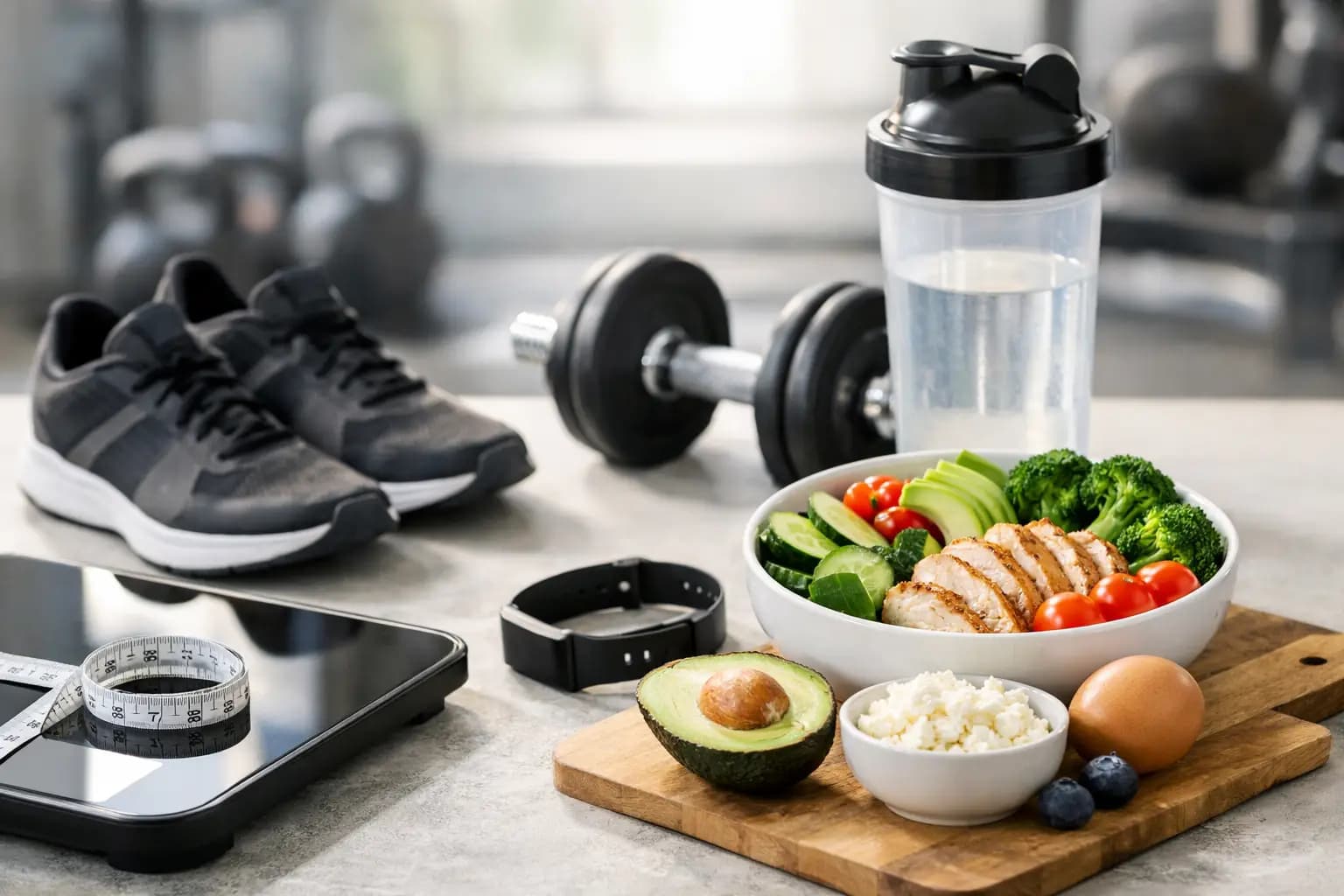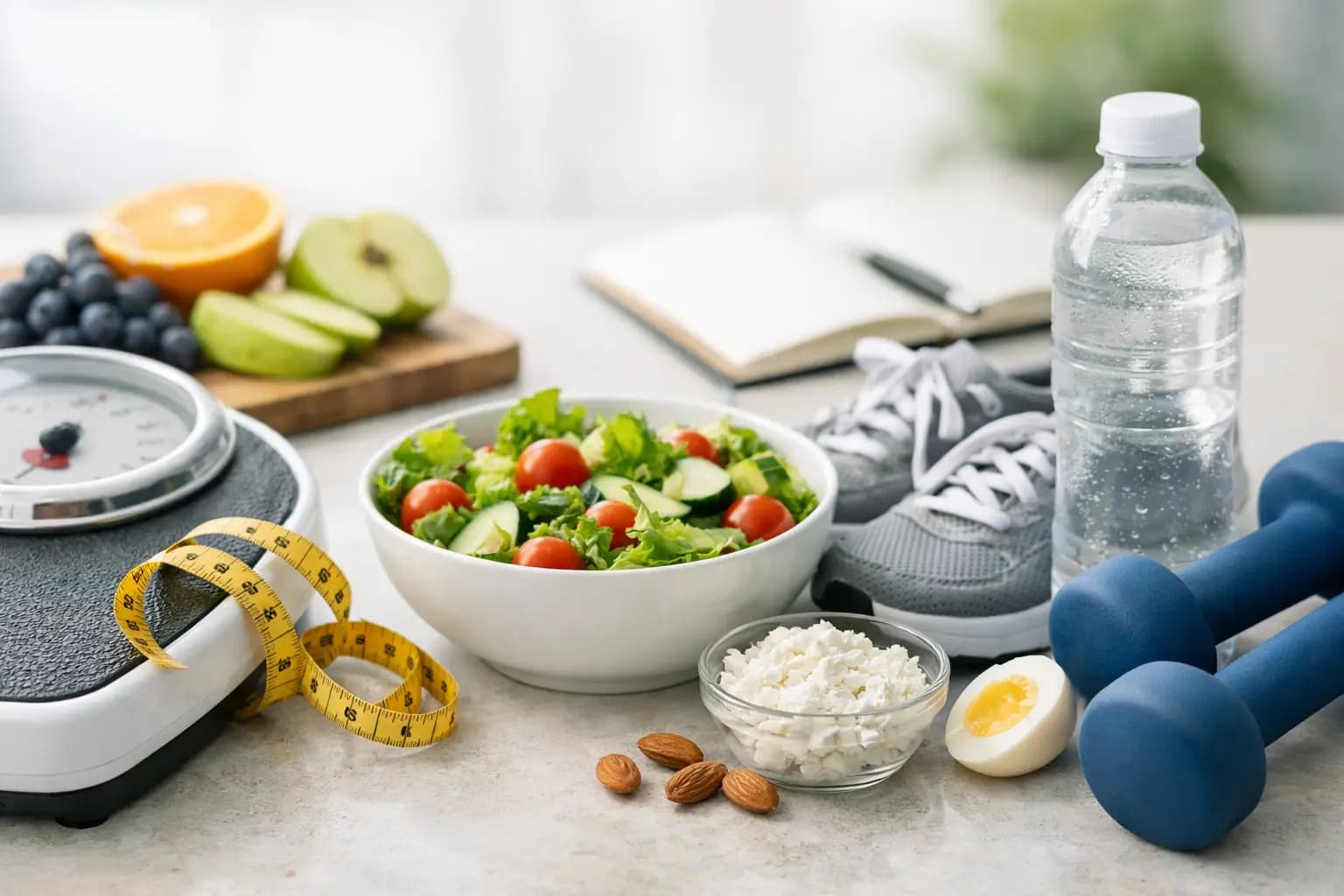
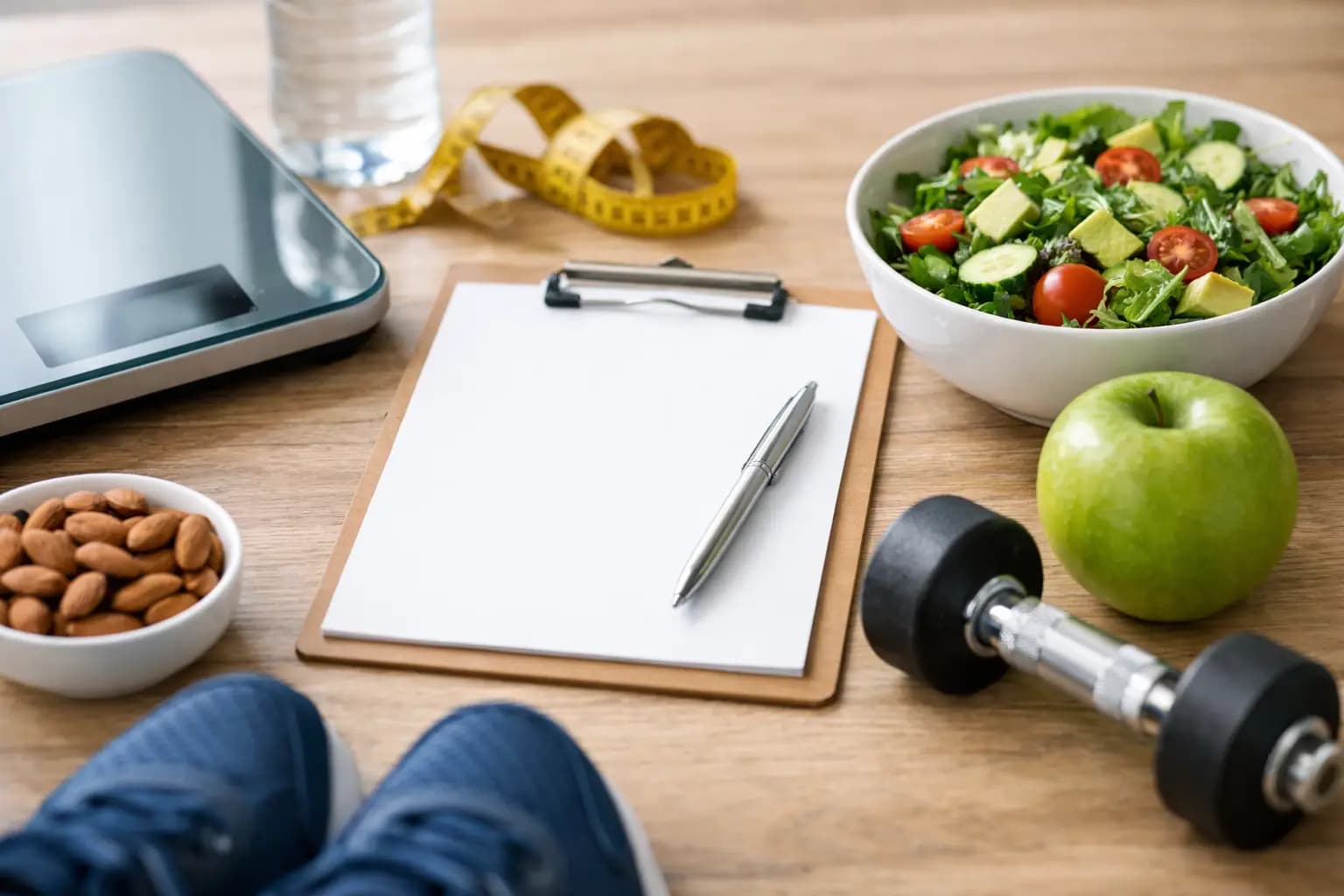
Monday starts well. By Thursday, lunch is improvised, dinner is late, and the healthy plan you meant to follow has already slipped. That is exactly why so many people search for how to start weight management programme options that feel realistic, structured and easy to stick to. The best programme is not the most extreme one. It is the one that fits your routine, helps you stay consistent and gives you enough support to keep going when life gets busy.
For most people, weight management is not just about eating less. It is about building a repeatable routine around meals, snacks, hydration, movement and accountability. If your plan depends on perfect motivation every day, it will usually fall apart. If it is simple enough to follow on workdays, weekends and tired evenings, you have a much better chance of seeing progress.
How to start weight management programme the right way
Start with one clear goal, not five. Wanting to lose weight, feel less bloated, improve energy, eat more protein and get fitter all at once sounds productive, but it often leads to confusion. Pick your main target first. For many people, that is gradual fat loss or better control over eating habits.
Be specific. Saying you want to get healthier is too vague to guide your daily choices. Saying you want to lose a realistic amount over the next 8 to 12 weeks, improve your breakfast routine and stop relying on takeaway lunches gives you something measurable. A good programme works because it turns a vague intention into daily actions.
It also helps to be honest about what has not worked before. If you have tried skipping meals, cutting out whole food groups or following a plan that required lots of cooking from scratch every day, ask yourself why it failed. Usually, the issue is not effort. It is friction. The more complicated a plan feels, the harder it is to maintain.
Build a routine before chasing fast results
This is where many people go wrong. They look for the quickest method instead of the most sustainable one. Fast progress can feel exciting, but if it leaves you hungry, tired and fed up, it rarely lasts.
A better approach is to build a daily structure you can repeat. That usually means deciding when you will eat, what your easiest healthy options are and how you will avoid the long gaps that often lead to overeating later on. Many people do well with a simple framework such as a balanced breakfast, a controlled lunch, a planned snack and a sensible evening meal.
Convenience matters more than people like to admit. If your mornings are rushed, having a quick, portion-controlled breakfast option can make the difference between staying on track and grabbing whatever is closest. The same goes for lunch. Structured products such as meal replacement shakes, protein snacks and fibre support can help take the guesswork out of your day, especially if you struggle with portions or consistency.
That does not mean every meal has to come from a tub or shaker. It means using practical tools where they help most. For one person, that might be a shake for breakfast and a home-cooked dinner. For another, it might be a planned snack in the afternoon to stop late-night cravings. The right balance depends on your lifestyle.
Get your meals under control
Most successful weight management programmes become easier once meals stop being random. You do not need a perfect menu for the whole month, but you do need a few reliable options that work during a busy week.
Start with breakfast. This is often the easiest place to create consistency. If you regularly skip it and then feel ravenous by mid-morning, a protein-based breakfast can help you feel more in control. A meal replacement shake is popular for a reason - it is quick, simple and easy to portion. If you prefer food, keep it straightforward with something high in protein and not overloaded with extras.
Lunch is where work routines can either support your goal or derail it. If you know you tend to buy high-calorie meal deals, plan an alternative before the day begins. That could be a prepared lunch, a shake kept at work or a simple protein-led option that stops you reaching for convenience foods out of habit.
Dinner needs a bit of flexibility. Some households cook for the whole family, while others eat at different times. Aim for a normal, satisfying meal built around protein, vegetables and sensible portions of carbohydrates or fats rather than trying to make dinner tiny. If you under-eat all day and then try to be ultra-restricted at night, it often backfires.
Snacks are not always the enemy. Unplanned snacking is usually the problem. If you know the gap between lunch and dinner is long, a higher-protein snack can be useful. Planned support tends to work better than relying on willpower at 4 pm.
Use support products as part of a plan
People often ask whether they really need products to manage weight. The honest answer is that it depends. You can lose weight without them, but many people find that the right products make consistency easier.
A structured weight management programme often works well because it removes decision fatigue. Instead of wondering what to eat every time you are hungry, you already have a practical option ready. Meal replacement shakes can help with portion control. Protein products can help you stay fuller and support muscle maintenance, especially if you are exercising. Fibre support can be useful if your diet lacks balance or if you struggle to feel satisfied.
The key is not to treat products as magic. They are tools. They work best when they are used within a sensible calorie-controlled routine, with adequate water, regular meals and realistic expectations. If you use them to replace chaotic eating habits, they can be genuinely helpful. If you use them while still overeating around them, results will be slower.
For beginners, simplicity usually wins. A basic programme with one or two meal replacements, better snacks and ongoing guidance is often easier to follow than buying lots of items and hoping for the best. That is one reason people value support from an authorised independent distributor - not just access to trusted products, but help choosing a setup that suits real life.
Do not ignore movement and hydration
You do not need a punishing gym routine to get started. In fact, if exercise has been inconsistent for a while, the best place to begin is often with daily walking, a few weekly strength sessions or any activity you can repeat without dread.
Movement supports weight management in more than one way. It burns energy, helps preserve muscle, improves mood and often makes people more mindful of their food choices. But there is a trade-off. Some people overestimate how much exercise can compensate for eating habits. It helps, but it cannot do all the work on its own.
Hydration is another easy win. Tiredness, cravings and overeating can all feel worse when you are not drinking enough. Keeping water intake up across the day sounds basic because it is basic, but basics are often what move the needle.
Track what matters, not everything
You do not need to obsess over every gram of food to succeed. In fact, for some people, that creates more stress than progress. What you do need is some way to measure whether your programme is working.
That might be weekly scale readings, waist measurements, progress photos, how your clothes fit or how your energy feels across the day. Weight will not always fall in a straight line, especially if your routine, hormones or activity levels vary. Looking at trends over several weeks is usually more useful than reacting to one number.
If progress stalls, do not panic immediately. Check the basics first. Are portions creeping up? Are weekends completely different from weekdays? Are snacks becoming more frequent? Are you skipping meals and then overeating later? Often the answer is in the pattern, not in some hidden problem.
Make your programme easier to stick to
The best weight management plan is the one that still works when life gets messy. That means preparing for difficult moments before they happen. Keep easy options at home. Decide what you will do on busy workdays. Have a plan for social meals that does not rely on being perfect. If you enjoy a takeaway or a meal out, fit it in sensibly rather than turning it into an all-or-nothing event.
Support helps here. Some people do better when they have regular check-ins, product guidance or a clear routine to follow instead of trying to figure it all out alone. That extra layer of accountability can make a big difference, especially in the first few weeks when habits are still forming.
If you are looking for a straightforward place to begin, HL Shop UK focuses on practical, product-led solutions with fast delivery, helpful support and options designed to make weight management feel less overwhelming. For many people, that mix of convenience and guidance is what turns good intentions into action.
Starting well matters, but sticking with it matters more. Pick a simple structure, use tools that reduce friction, and give yourself enough time to settle into the routine. A good programme should make healthy choices easier, not harder. The more doable it feels this week, the more likely it is to still be working for you next month.