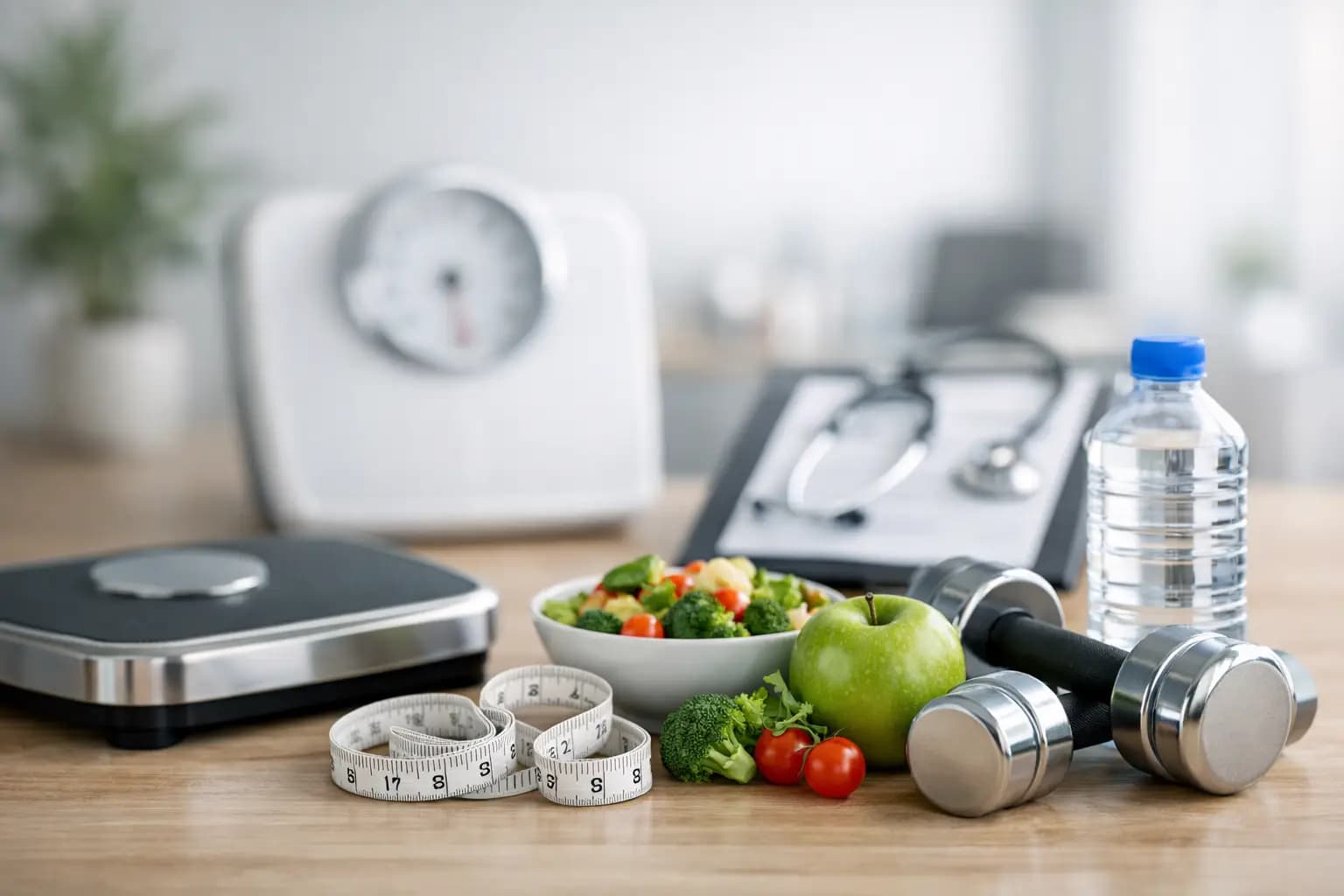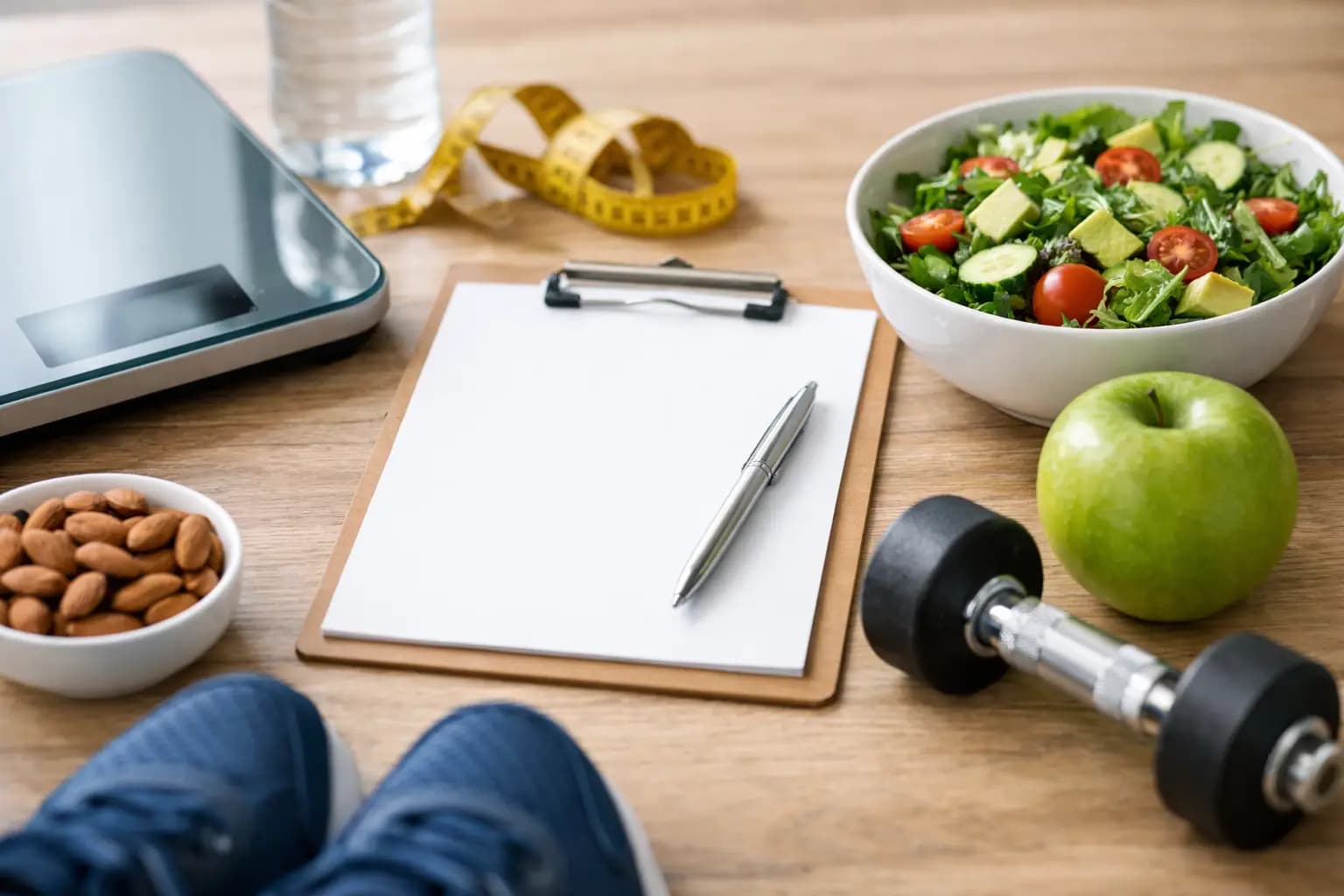
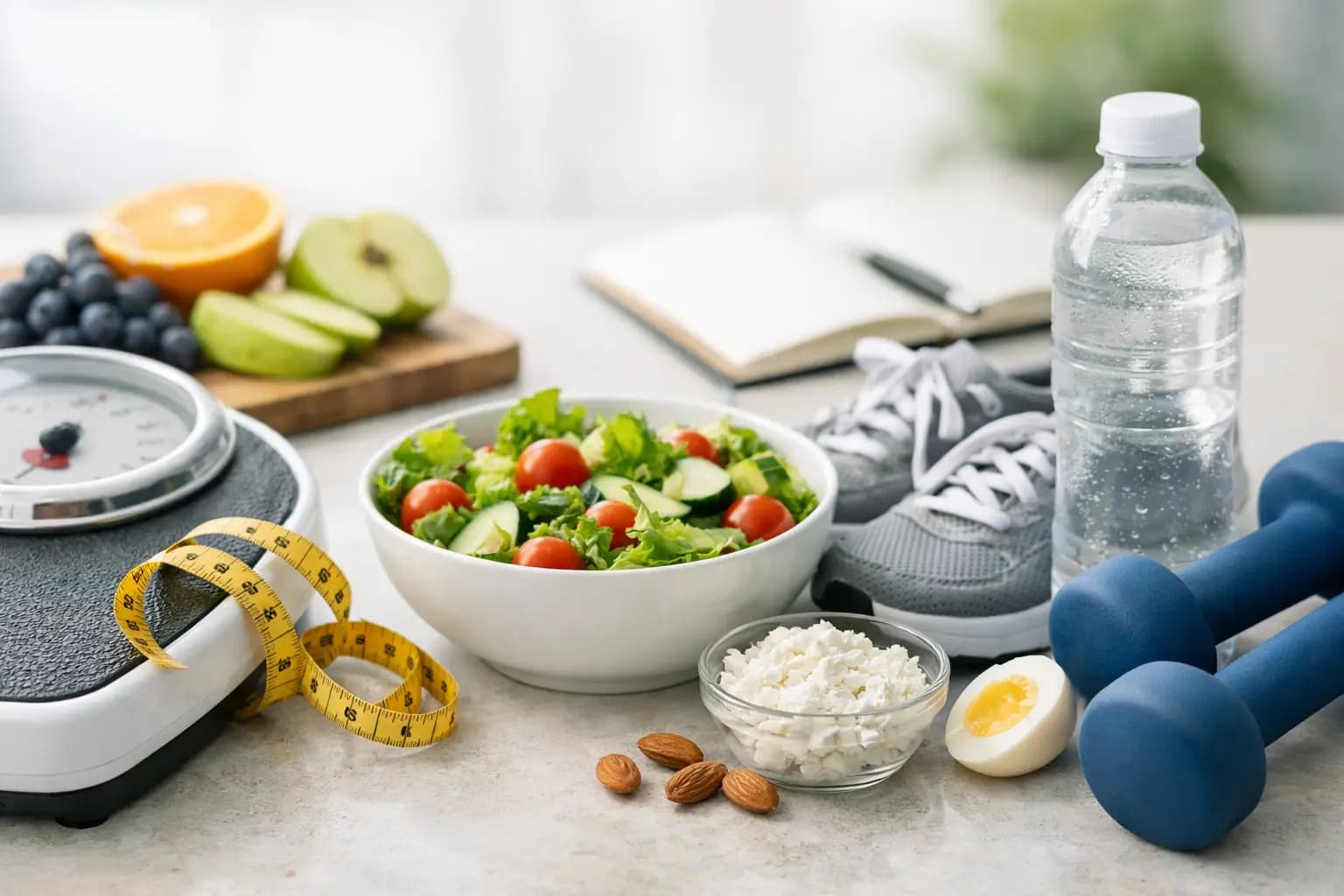
Some people do not need a dramatic lifestyle overhaul. They need a short term weight management programme that helps them reset their routine, regain control and see steady progress without turning every meal into a maths exercise. That is often the real value of a focused plan - not perfection, but a structure you can actually follow on busy UK weekdays.
A short term approach can work well when you have a clear reason to tighten things up. You may want to recover from a period of overeating, get back into better habits after time off, improve consistency before an event, or simply stop the cycle of starting on Monday and giving up by Thursday. The key is to treat it as a practical phase, not a crash solution.
What a short term weight management programme should actually do
A good programme should create control, not chaos. That means helping you manage calories sensibly, increase protein, reduce random snacking and build a repeatable eating pattern. It should also be realistic enough to fit around work, commuting, family meals and weekends.
This is where many people go wrong. They aim for extremes because extremes sound faster. In reality, cutting too much food, skipping meals and relying on willpower alone usually leads to low energy, intense cravings and poor adherence. A short term plan only works if you can stay with it for the full period.
For most adults, the strongest short term results come from consistency rather than intensity. Two structured meals and one balanced meal each day can be easier to maintain than trying to improvise healthy choices every few hours. Having ready-to-use nutrition products can also reduce decision fatigue, which matters more than people think.
How to build a short term weight management programme that lasts
Start with a clear time frame. Two to six weeks is often enough to rebuild momentum without creating the pressure that comes with a long, vague promise. A shorter window helps you stay focused and gives you a measurable checkpoint.
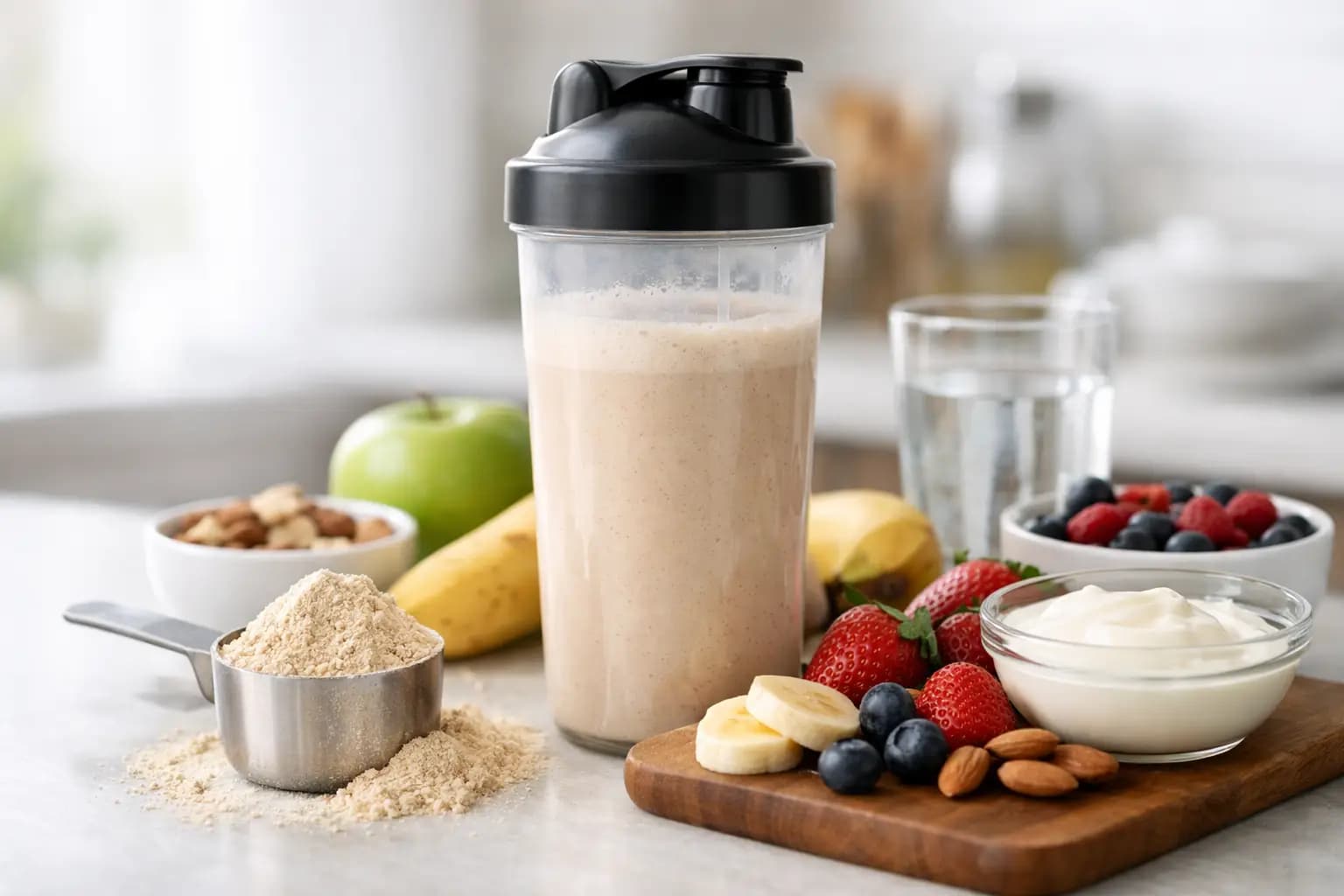
Next, simplify your meals. If breakfast and lunch are inconsistent, that is usually where progress gets lost. A high-protein meal replacement shake can help create a dependable routine, especially if mornings are rushed or lunch breaks are unpredictable. It gives you portion control, convenience and less temptation to grab whatever is nearest.
Your evening meal still matters. This is where balance is more useful than restriction. Aim for lean protein, plenty of vegetables and a sensible portion of carbohydrates depending on your activity level. If you train regularly, you may need a bit more fuel. If your evenings are mostly sedentary, heavier portions may slow progress.
Snacks need attention too. Not everyone needs them, but many people use them badly. There is a difference between planned support and casual grazing. A protein snack can be helpful if there is a long gap between meals, but picking at biscuits, crisps and office leftovers can quietly undo a calorie deficit.
Hydration is another part of the picture. People often mistake tiredness or thirst for hunger, especially in the afternoon. Drinking more water and cutting back on sugary drinks can make a visible difference over a few weeks. Herbal teas and low-calorie options can also support the feeling of staying on track.
The role of products in a short term weight management programme
Products should make your routine easier, not replace common sense. The best ones reduce friction. Meal replacement shakes are popular because they are quick, portion-aware and simple to repeat. Protein drink mixes can support fullness and recovery. Fibre products may help if your diet has been inconsistent or low in whole foods.
That said, results still depend on the full routine. A shake at breakfast will not cancel out oversized takeaway meals every evening. Equally, one indulgent meal does not ruin a good week. Progress usually sits in the middle, built by what you do most of the time.
For beginners, product-led structure can be especially useful. Instead of guessing portions, skipping meals and then overcompensating later, you have a clear framework to follow. That tends to improve adherence, which is often the deciding factor in whether a short term programme actually delivers.
If you already use nutrition products, the short term phase can be a good time to tighten your timing and consistency. Using familiar options that fit your taste and schedule is often smarter than chasing the newest trend. Convenience matters because busy people rarely stick with plans that create more work.
What to expect in the first two weeks
The first few days are usually about routine, not visible transformation. You may notice better control around food, fewer impulsive choices and more predictable energy. Some people see the scale move quickly at first, especially if they were previously eating erratically or consuming lots of salty, processed foods. Others see slower change, and that is still progress.
Weight can fluctuate for reasons that have little to do with fat loss. Water retention, hormones, digestion and meal timing all play a part. That is why it helps to judge your programme by more than one measure. Look at how your clothes fit, how often you stick to your plan, your energy levels and whether cravings are becoming easier to manage.
This is also the stage where support helps. A guided approach can keep you from overreacting when results are not instant. Many people quit too early because they expect daily proof. Short term weight management is more effective when you focus on trend, not drama.
Common mistakes that slow progress
One of the biggest mistakes is making the programme too strict. If your plan leaves you hungry, grumpy and thinking about food all day, it probably will not last. Another common issue is the all-or-nothing mindset. One unplanned meal does not mean the week is ruined. The next choice still counts.
People also underestimate weekends. A tidy Monday to Friday routine can be offset by oversized restaurant meals, drinks and endless nibbling on Saturday and Sunday. You do not need to avoid social events, but you do need a bit of awareness. Picking your moments is far better than pretending you will be perfect.
Poor planning is another barrier. If you know your day will be hectic, having structured options ready can stop a small lapse becoming a full day of poor choices. Fast delivery and easy reordering matter here because momentum is easier to maintain when your products arrive on time and your routine stays intact.
How to keep motivation realistic
Motivation is useful, but routine is what carries you through. If your plan depends on feeling inspired every morning, it will eventually wobble. A better strategy is to remove unnecessary decisions. Keep breakfasts consistent, plan lunches, know what your evening meal will roughly look like, and avoid buying foods that always test your willpower.
It also helps to define success properly. Short term weight management does not have to mean dramatic weight loss in a tiny window. Sometimes success is proving to yourself that you can stay consistent for 14 days, reduce snacking, improve portion control and feel more in charge of your choices. Those wins create momentum that lasts beyond the initial phase.
Support can make a real difference here. Having access to products, guidance and someone who understands the process can turn a confusing attempt into a much more manageable one. That is one reason many customers prefer a programme-style approach instead of trying to piece everything together alone.
When a short term plan is a smart choice
A short term programme is a good option if you want a defined reset, need more structure, or find meal planning overwhelming. It can also suit people who like clear targets and simple routines. For busy adults, convenience is not a luxury - it is often the only reason a plan gets followed at all.
It may be less suitable if you are looking for a permanent solution without making any longer-term changes. Short phases can kick-start progress, but they work best when they lead into a more sustainable routine. Think of the short term period as your launch point, not the whole journey.
At HL Shop UK, that is exactly where a well-chosen programme can help. You get practical nutrition options, supportive structure and the kind of straightforward approach that fits real life - plus the confidence of fast delivery, strong value and ongoing help when you need it.
If your current routine feels messy, a short term plan does not need to be extreme to be effective. It just needs to be clear enough to follow, flexible enough to fit your life and solid enough to help you build better habits from the very first week.