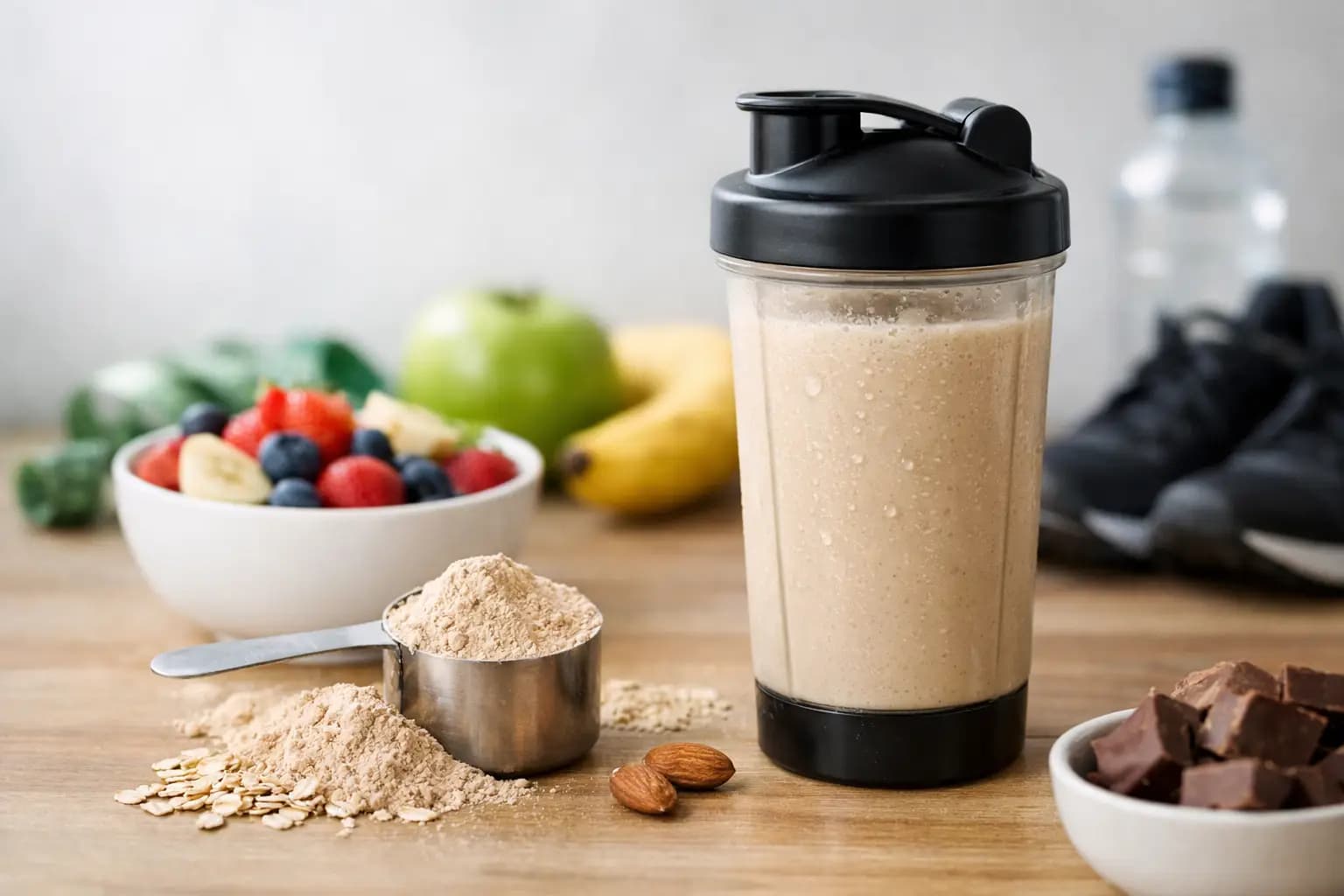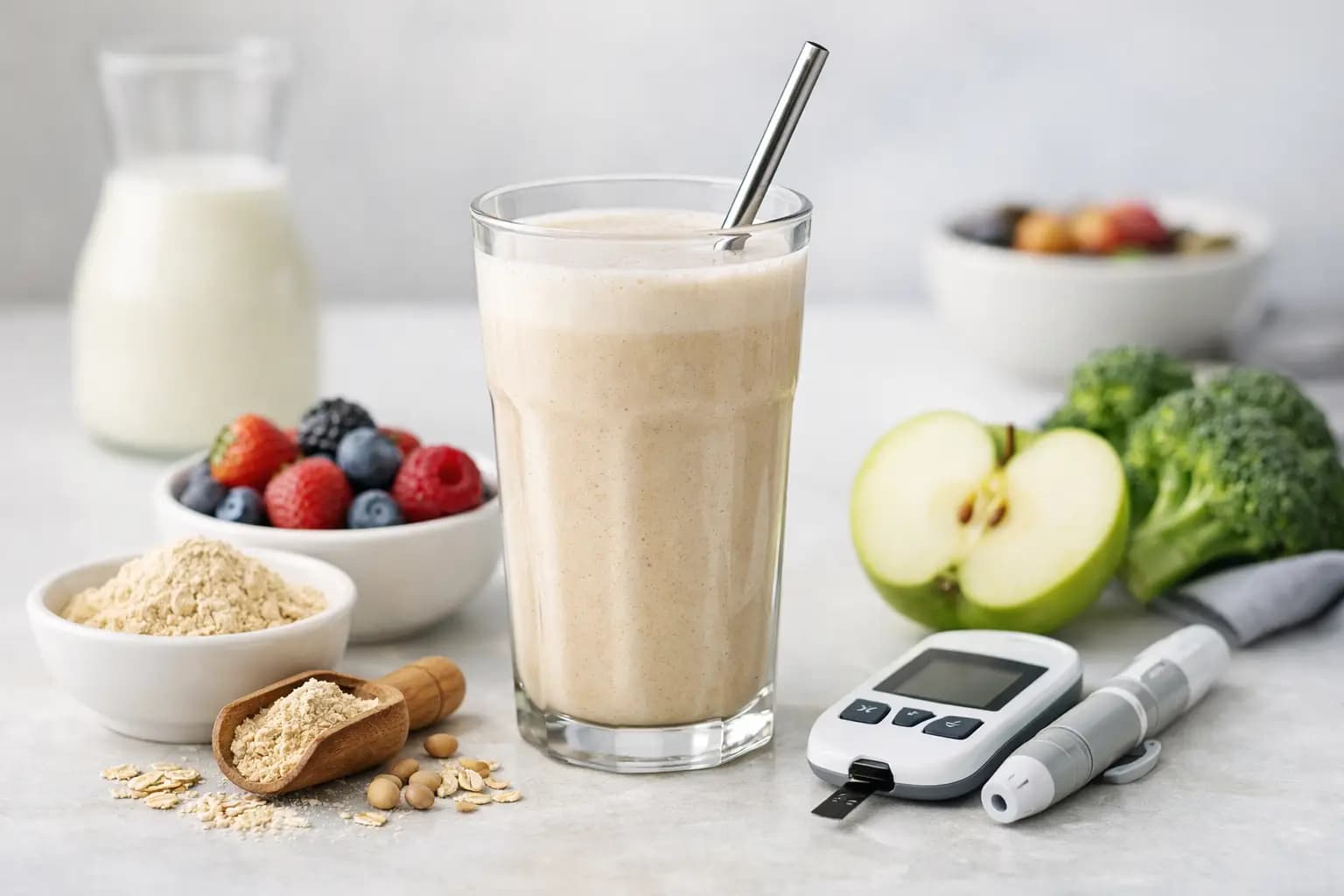
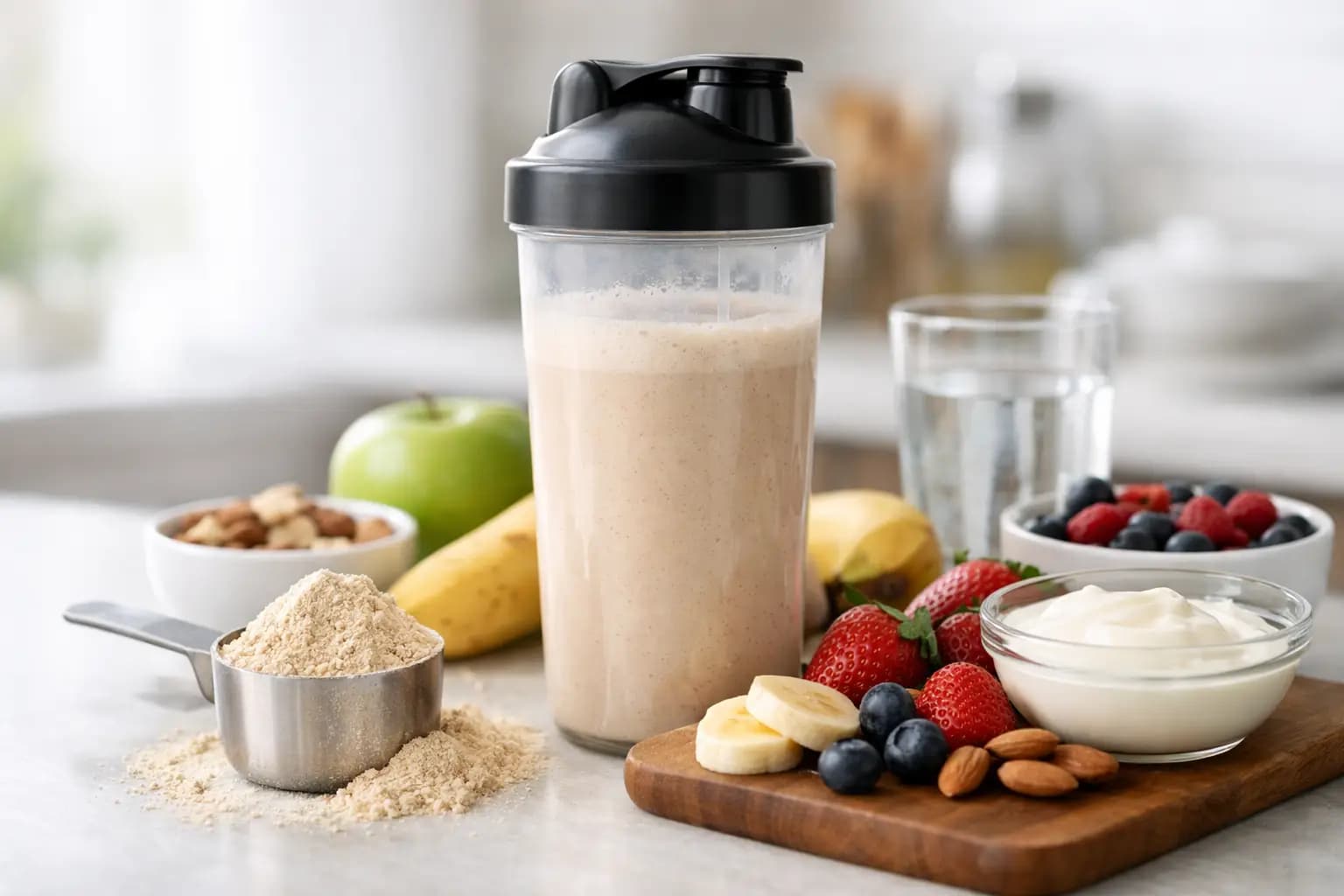
You can eat a salad at your desk, grab a meal deal on the station platform, or skip lunch entirely and promise yourself you will eat better later. That is exactly why so many people ask, are meal replacement shakes healthy? For busy adults trying to lose weight, manage calories, or simply stay on track, the honest answer is yes - sometimes. But it depends on the shake, the rest of your diet, and how you use it.
Meal replacement shakes are designed to do a specific job. They are not magic, and they are not the same as a standard protein shake. A proper meal replacement aims to give you controlled calories plus a balance of protein, carbohydrates, fats, vitamins and minerals. That makes it a practical option when your usual meals are rushed, inconsistent, or far more calorie-heavy than you realise.
Are meal replacement shakes healthy for everyday use?
They can be, especially when they help you replace a less balanced meal with something more structured. If your usual breakfast is a biscuit with coffee or nothing at all, a nutritionally balanced shake is often a better choice. If your lunch is regularly a high-calorie grab-and-go option, a meal replacement can make calorie control much easier.
The biggest advantage is consistency. Many people do not struggle because they know nothing about healthy eating. They struggle because real life gets in the way. Work, commuting, family routines and low energy can all push healthy intentions aside. A meal replacement shake removes some of that friction. You know what you are having, roughly how many calories it contains, and how it fits into your day.
That said, healthy does not automatically mean ideal for every meal forever. Whole foods still offer variety, texture, satisfaction and the social side of eating that shakes cannot fully replace. Using a shake once a day can be a smart routine. Using several every day without thinking about your wider nutrition is a different story.
What makes a meal replacement shake a good option?
A healthy meal replacement is about more than low calories. If a shake leaves you starving an hour later, or if it cuts calories but skimps on nutrition, it is not doing the job properly.
Protein matters because it supports fullness and helps maintain muscle, particularly if you are losing weight or training regularly. Fibre matters because it helps with digestion and satiety. A useful meal replacement should also include essential vitamins and minerals rather than forcing you to fill nutritional gaps elsewhere.
This is where people often confuse meal replacements with regular slimming drinks or basic protein powders. A protein shake may help after exercise, but it is not always built to replace a meal. A meal replacement is more complete. It is designed to support nutrition while keeping your calorie intake under better control.
Taste matters too, and it matters more than people admit. If you do not enjoy a shake, you will not stick with it. Healthy habits only work when they are realistic enough to repeat.
The role of calories and portion control
One reason meal replacement shakes work well for weight management is portion accuracy. There is no guessing, no oversized plate, and no extra handful of this or that while cooking. For people who struggle with portion creep, that structure can be a real advantage.
It also helps reduce decision fatigue. Instead of negotiating with yourself at 1 pm when you are hungry and busy, the choice is already made. That can make healthy eating feel far less complicated.
When meal replacement shakes may not be the healthiest choice
There are trade-offs, and pretending otherwise does not help anyone. A shake should support your routine, not become a way to avoid learning basic eating habits. If you rely on shakes all day and eat poorly the rest of the time, you are not really building a sustainable routine.
Some people also feel less satisfied drinking their meals. Chewing food can feel more filling, even when the calorie content is similar. If a shake leaves you hunting for snacks half an hour later, it may not suit that part of your day. Breakfast often works well as a shake for many people, while dinner may feel more emotionally and socially important as a proper meal.
You also need to look at the product itself. Some shakes are high in sugar, low in protein, or missing the balance needed to genuinely replace a meal. Just because the packaging says healthy, slimming, or high protein does not mean it is nutritionally complete.
Are meal replacement shakes healthy if you exercise?
Usually yes, but context matters. If you are active, trying to tone up, or working on fat loss while keeping muscle, protein intake becomes even more important. A good meal replacement can fit well into that plan, especially if you are using it as a convenient breakfast or lunch.
However, around workouts, you may sometimes need something different. A meal replacement is not always the best pre- or post-training option if your focus is sports performance or recovery. In those cases, your wider nutrition plan matters more than the label on one product.
The difference between convenience and dependency
Convenience is one of the strongest reasons people choose meal replacement shakes, and there is nothing wrong with that. In fact, convenience is often what makes a healthy routine possible. A plan that works in real life beats a perfect plan that collapses by Wednesday.
But there is a line between using a helpful tool and depending on it for every decision. The healthiest long-term approach is usually mixed. You might use one shake a day, have one balanced snack, and build the rest of your meals around everyday foods like yoghurt, fruit, vegetables, lean protein, oats, eggs, rice or potatoes.
This gives you the best of both worlds. You keep the speed and structure of a meal replacement where it helps most, while still eating a varied diet.
Who benefits most from meal replacement shakes?
People with hectic schedules often get the most value from them. So do those who are starting a weight-loss journey and need a simple system rather than a complicated food plan. For beginners, a nutritionally balanced shake can create momentum because it makes at least one part of the day easier to manage.
They can also help people who tend to skip meals, then overeat later. Having a quick, controlled option available can steady your intake and reduce that cycle of under-eating followed by raiding the cupboard at night.
For existing users of structured nutrition plans, meal replacements are often less about dieting and more about staying organised. That matters. Better routine usually beats bursts of motivation.
How to use them in a healthy way
The best approach is to use meal replacement shakes with intention. Replace the meal that is currently weakest in your routine, not the one you already handle well. If mornings are chaos, start there. If lunch is where you lose control, make that the focus.
Pair the shake with healthy habits around it. Drink enough water. Make sure your other meals include whole foods. Pay attention to hunger and energy levels instead of forcing a routine that clearly is not working for you.
This is also where support makes a difference. When people have guidance, they are more likely to choose a product that fits their goal, whether that is fat loss, better portion control, or simply a more reliable eating pattern. That is one reason many customers prefer buying from a retailer that offers not just fast delivery and competitive prices, but also ongoing support as part of a wider wellness journey.
So, are meal replacement shakes healthy or not?
They can absolutely be healthy when they are well formulated and used properly. They offer convenience, consistency and portion control, which are three things many people need more than another complicated meal plan. They can support weight management, help reduce poor food choices, and make healthy eating more practical on busy days.
But they are not automatically healthy in every form, and they are not a free pass to ignore the rest of your diet. The healthiest use of meal replacement shakes is as part of a balanced routine, not as a shortcut that replaces all normal eating.
If you want something simple, structured and realistic, a quality meal replacement can be a very smart tool. The key is choosing one that delivers proper nutrition and using it in a way that supports your long-term goal, not just this week’s motivation. A routine you can actually stick to will always take you further than a plan that looks perfect on paper.
Choosing well is the hard part — our guide to the best meal replacement shakes UK is a good place to start.