“Which is the best diet shake?” is the question I get asked most, and it is the one I am least able to answer in a sentence. Not because I am being coy — because the honest answer depends on a meal you have not told me about yet. A shake that suits someone who leaves the house at half six is a poor fit for someone who works from home and grazes all afternoon. So when people ask me to name the best one, I tend to turn it around and ask which meal is currently going wrong. That is the question that actually narrows the shelf. Here is how I would work through it.
Start from the meal you keep getting wrong
A meal replacement shake only earns its place if it replaces something. If breakfast is a coffee and a biscuit at the station, that is your slot. If breakfast is already fine and it is the six o’clock, just-got-home, eat-the-first-thing-you-see moment that undoes the day, then a shake at breakfast solves nothing. Be specific about which meal, and choose around that meal’s constraints: how much time you have, whether you are at home, whether there is a fridge and a tap nearby. Everything else — flavour, format, size — follows from that. If you want the longer version of this reasoning, I have written about choosing the right Formula 1 shake for your goals, and it pairs well with what follows.
Flavour is not a small detail
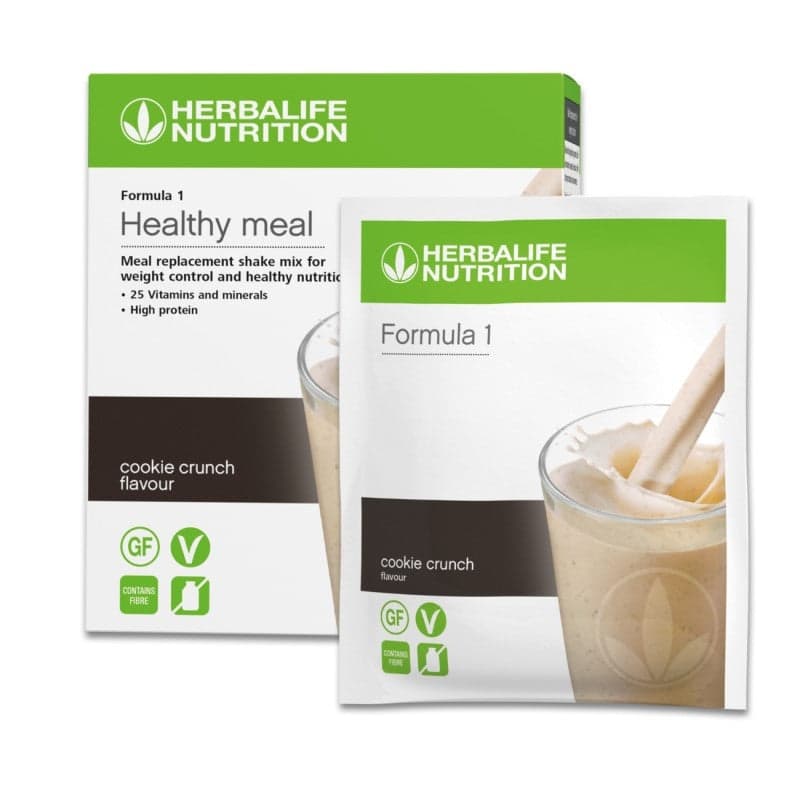
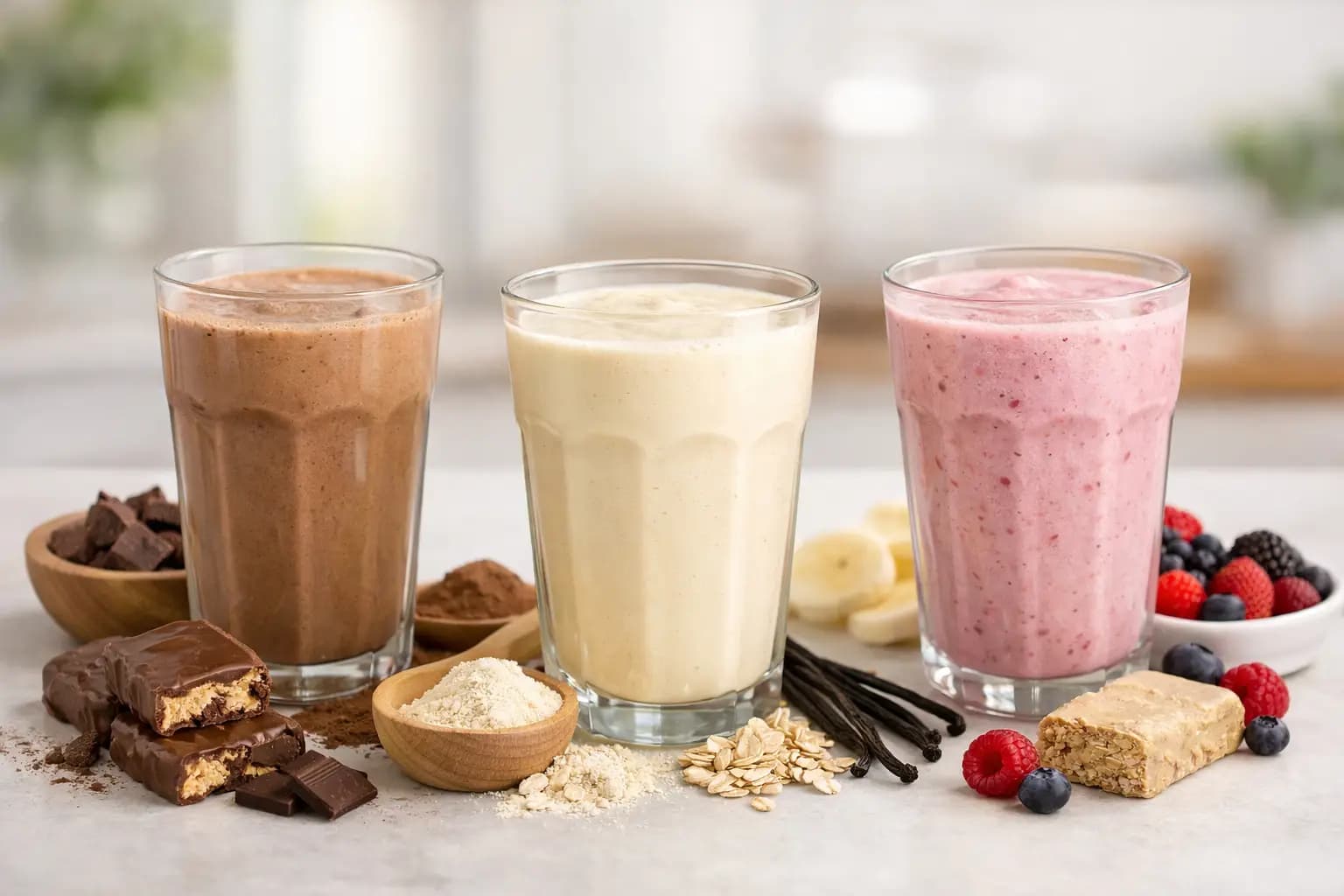
People treat flavour as the frivolous part of the decision and the nutrition as the serious part. In practice flavour is what decides whether you are still drinking it in March. Nobody sustains a habit they merely tolerate, and I would far rather someone drank a chocolate shake five mornings a week than bought something they found worthy and joyless and finished half a tub. So pick one you would actually look forward to — Smooth Chocolate and Vanilla Cream are the two that most people settle on, vanilla mainly because it takes whatever you add to it. If you are choosing blind, the seven-sachet packs are the sensible way to find out before you commit to 550 g of something.
Match the format to your actual week, not your ideal one
This is where most choices quietly go wrong. A tub, a blender and a worktop is a lovely image, and it works beautifully if the shake happens at home. If it happens on a train, at a desk, or in a car park before a shift, a tub is the wrong shape of thing entirely and you will miss it more often than you drink it. Sachets travel; tubs are cheaper per serving and better at home. Plenty of people keep both, and that is not indecision — it is a plan B, and plan B is the whole difference between a habit that survives a busy fortnight and one that does not. The routine side of this matters more than the product side, which is why I usually send people to read about staying consistent with a daily shake routine before they spend anything at all.
The checklist I would run through
- Name the meal. — Not “I want to eat better”. Which meal, on which days, and what happens instead right now.
- Choose a flavour you would drink for pleasure. — If you are talking yourself into it in week one, week six is not going to happen.
- Check what you are mixing it with. — Milk, a dairy alternative, water. It changes the taste, the thickness and how filling it feels, and it is worth settling early.
- Be realistic about where you will drink it. — Kitchen, desk or bag. That single answer decides tub versus sachets more reliably than anything on the label.
- Think about the rest of the day too. — A shake can support healthy weight goals as part of a balanced diet and an active lifestyle, but it works alongside your other meals, not instead of thinking about them.
- Buy small first, then commit. — A sachet pack costs less than a tub you end up giving away.
If I had to compress all of it: the best diet shake is the one that fits the gap in your week and tastes like something you want. If you would rather start from a ready-made combination than assemble it yourself, have a look at the programmes — and if you are still torn between flavours, message me and tell me about the meal you keep skipping. Food supplements are not a substitute for a varied, balanced diet and a healthy lifestyle.