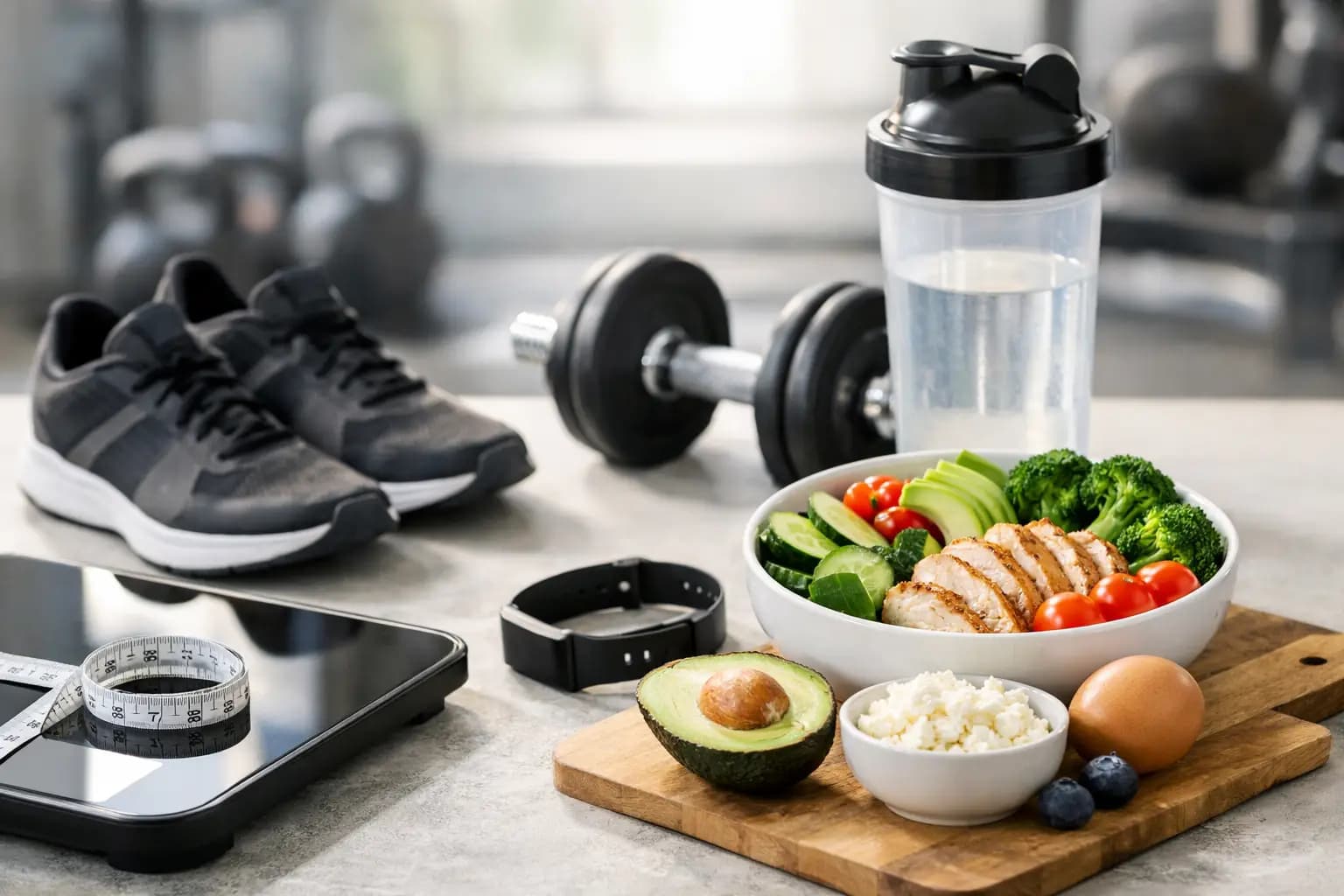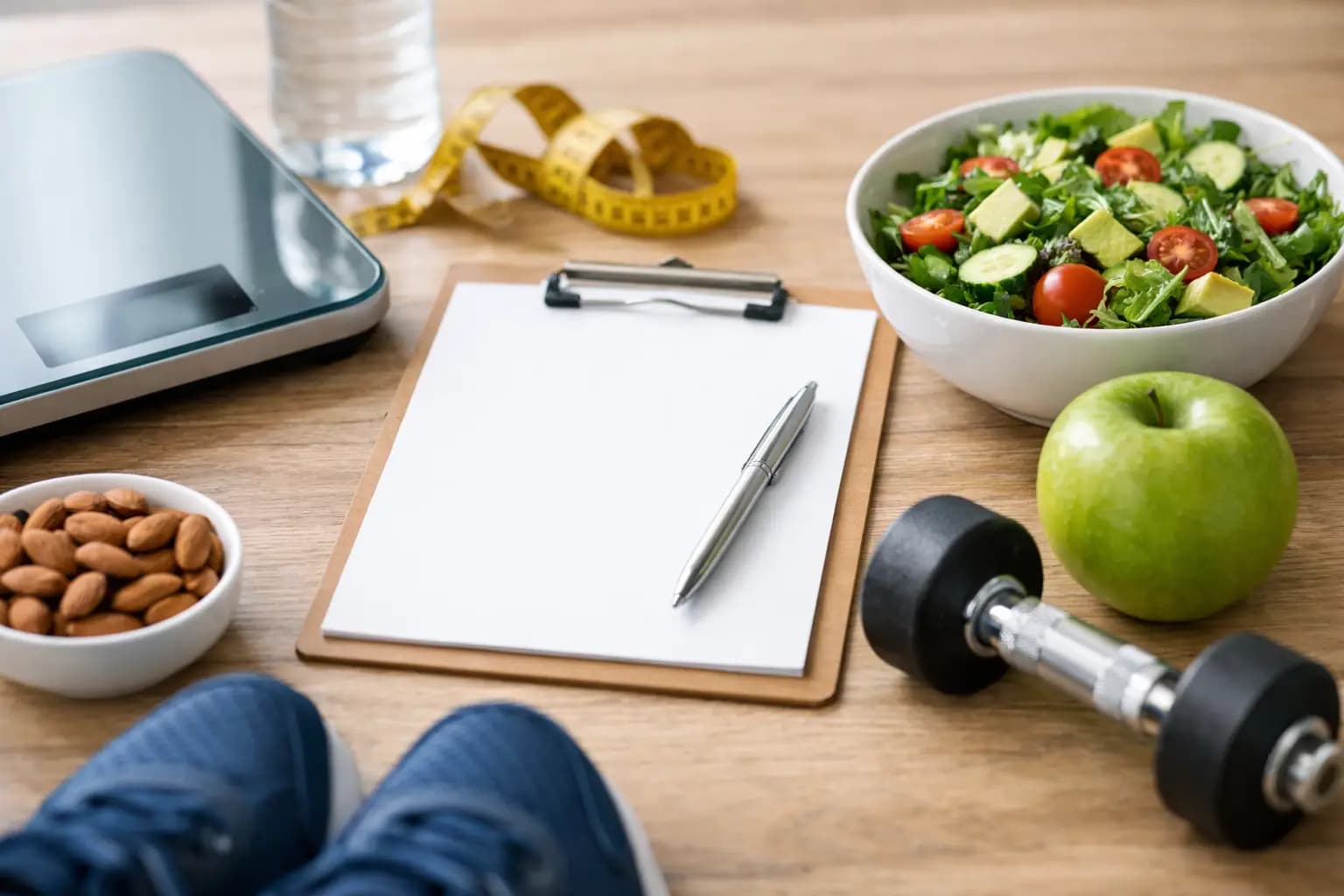

Most beginners do not fail because they lack willpower. They fail because they start a fat loss programme for beginners that is far too strict, far too confusing, or impossible to follow once real life gets busy. If your weeks include work, family, errands and the usual temptation to grab whatever is easiest, you do not need a perfect plan. You need one you can actually stick to.
That is where a smart, structured approach makes all the difference. Fat loss is not about eating as little as possible or punishing yourself in the gym. It is about creating a routine that helps you eat better, manage hunger, support energy and stay consistent for long enough to see change. For most people, the best results come from simplicity.
What a fat loss programme for beginners should actually do
A good beginner programme should remove guesswork. It should help you control calories without obsessing over every bite, keep protein intake sensible so you feel fuller for longer, and make it easier to avoid the all-or-nothing cycle that ruins progress.
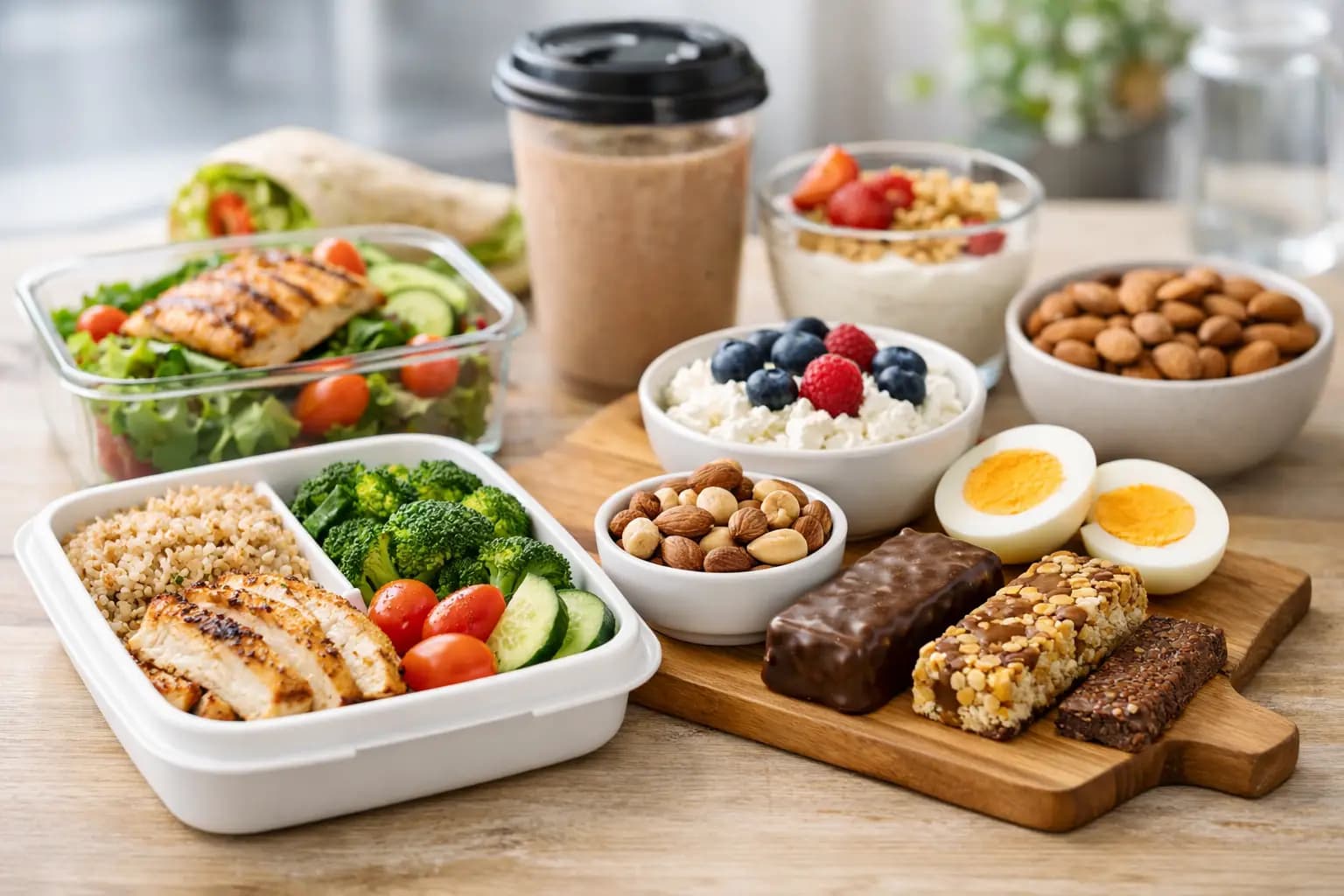
This is why structured meal options, planned snacks and a few reliable products can be so useful. When your breakfast and lunch are already sorted, you are less likely to drift into poor choices by mid-morning or order a takeaway because you have run out of ideas. Convenience matters more than many people admit.
The best beginner plans also support behaviour, not just food intake. If your routine is chaotic, even the most impressive nutrition plan on paper will struggle. A programme should fit around your schedule, your budget and your confidence level. Fast results are appealing, but sustainable habits are what keep the weight off.
Start with routine, not extremes
A common mistake is changing everything at once. Cutting out favourite foods, training every day and trying to survive on tiny meals might feel committed, but it usually lasts a week or two at best. Then energy drops, motivation fades and old habits return.
A better route is to build a repeatable day. Start with a balanced breakfast, a planned lunch, one or two high-protein snacks and a sensible evening meal. Drink more water. Move more than you currently do. Sleep properly. None of that sounds flashy, but it works.
If you are new to fat loss, consistency will beat intensity. A moderate calorie deficit followed for eight weeks is far more effective than a severe deficit followed for eight days. The trade-off is speed. Slower progress can feel less exciting, but it is usually far more realistic for beginners.
Why simple meal structure helps
One of the easiest ways to stay on track is to reduce decision fatigue. If every meal requires planning, shopping, weighing and cooking from scratch, adherence drops quickly. That is why many beginners do well with meal replacement shakes, protein-based snacks and fibre support as part of a wider routine.
Used properly, these products are not shortcuts. They are tools. A nutritionally balanced shake can help replace a higher-calorie breakfast or lunch, especially if your usual choice is pastry, cereal or whatever you pick up on the go. Protein snacks can help manage hunger between meals, which means you are less likely to overeat later.
The key is using them to support your overall intake, not to compensate for overeating at night. Structure works when the whole day makes sense.
Build your day around hunger control
Beginners often focus only on calories and ignore appetite. That is a mistake. If your plan leaves you constantly hungry, you will spend most of the day fighting it. Eventually, hunger usually wins.
A more practical fat loss programme for beginners should include enough protein, enough fluid and enough meal volume to make the process manageable. Protein helps with fullness and supports muscle during weight loss. Fibre helps digestion and can improve satisfaction after meals. Fluids matter more than people think as thirst is often confused with hunger.
This could look like a shake for breakfast, a protein-rich lunch, a planned afternoon snack and a balanced evening meal with lean protein, vegetables and a sensible carbohydrate portion. You do not need gourmet cooking. You need meals you can repeat.
What to eat without overcomplicating it
Think in combinations rather than rules. Each main meal should include protein first. Then add vegetables or salad where possible, plus a portion of carbs that suits your activity and appetite. If you are someone who snacks mindlessly in the evening, increasing protein and fibre earlier in the day often helps.
There is room for flexibility. Some people prefer two meal replacements and one main meal. Others prefer one shake and two traditional meals. It depends on your routine and what you can maintain. The best programme is not the one that looks most disciplined. It is the one you can follow on busy Tuesdays, not just motivated Mondays.
Exercise helps, but it is not the starting point
Many beginners assume fat loss begins in the gym. In reality, nutrition usually does the heavy lifting, especially at the start. Exercise still matters - it supports calorie burn, mood, fitness and long-term body composition - but you do not need an advanced training split to begin.
Walking is underrated. A daily step target can improve activity levels without feeling intimidating. Two or three basic strength sessions each week can also help preserve lean mass and build confidence. If that sounds too much, start with walking and bodyweight movement at home.
The trap to avoid is using exercise as permission to overeat. One hard session does not cancel a weekend of poor choices. On the other hand, if you rely on diet alone and never move more, progress can feel harder to maintain. Balance is the aim.
The role of products in a beginner programme
For people who want convenience, product-led support can make staying consistent much easier. Meal replacement shakes offer portion control and speed. Protein drinks and bars can help prevent the late-afternoon crash that leads to poor snacking. Fibre products can support fullness and routine. Herbal teas and hydration-focused products can also help people feel more in control of daily habits.
What matters is choosing products that fit your goal and using them properly. They should support your eating pattern, not replace every normal meal. Most beginners do best with a blended approach that combines convenient nutrition products with real-food evening meals and smart snack choices.
That is one reason guided programmes are popular. Instead of buying random items and hoping for the best, you follow a more organised setup designed around fat loss, simplicity and adherence. With the right support, you are more likely to stay on track when motivation dips.
How to know if your plan is working
Progress is not always dramatic in week one. Sometimes the first wins are smaller but still important - less bloating, better control around snacks, more energy in the afternoon, improved routine and fewer takeaways. Those changes matter because they usually come before visible body changes.
Use more than one measure. Body weight can fluctuate through the week, especially with changes in salt, hormones and meal timing. Photos, waist measurements and how your clothes fit often give a clearer picture. If your routine is stronger and your choices are improving, that is progress.
If nothing is changing after a fair trial, usually two or three weeks of genuine consistency, then your intake may still be too high or your adherence may be less solid than you think. This is where honest review helps. Not self-criticism - just clarity.
Support makes beginners more likely to stick with it
Going it alone sounds admirable, but support often improves results. When someone helps you choose the right products, set a realistic structure and make adjustments when needed, the process feels easier. You waste less time second-guessing and more time following through.
That is especially valuable if you are new to meal replacements, unsure how much protein you need, or tired of trying plans that look good online but collapse in real life. A supportive retailer with personalised guidance can make your first programme feel less overwhelming and far more practical.
If you want convenience, trusted products, fast delivery and help choosing a setup that matches your goal, HL Shop UK offers a straightforward way to get started without building everything from scratch.
Keep it realistic so you can keep going
There will be meals out, busy workdays and weekends where your routine is not perfect. That does not mean your programme has failed. Beginners often quit because they think one off-plan meal ruins everything. It does not. What matters is what you do next.
Get back to your next planned meal. Keep your protein up. Drink your water. Move your body. Repeat the basics. Results usually come from people who recover quickly, not people who never slip.
A fat loss journey does not need to be miserable to be effective. If your plan is simple, structured and realistic enough to fit your life, you give yourself a genuine chance to see progress and keep it. Start smaller than you think, stick with it longer than you want to, and let consistency do the work.