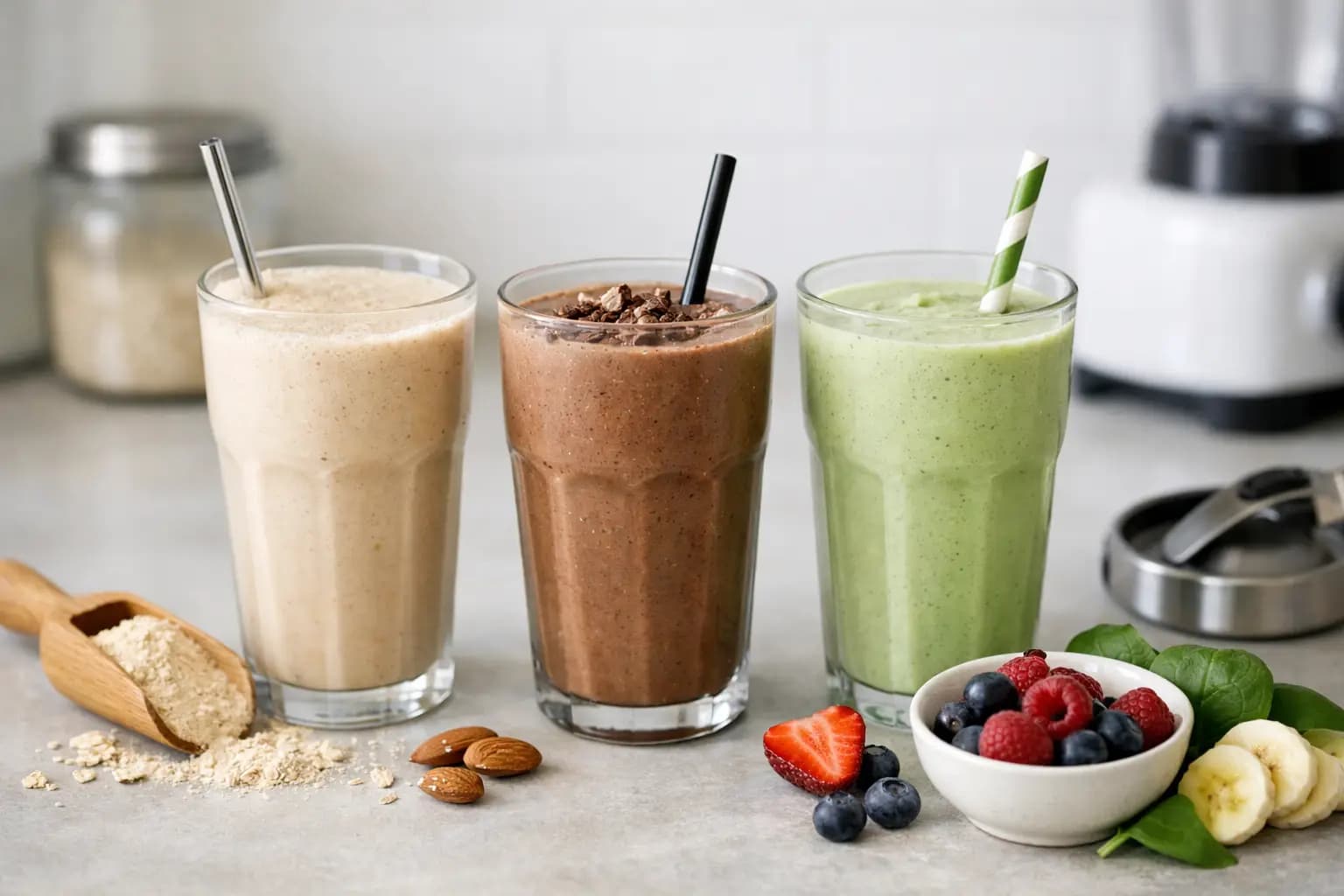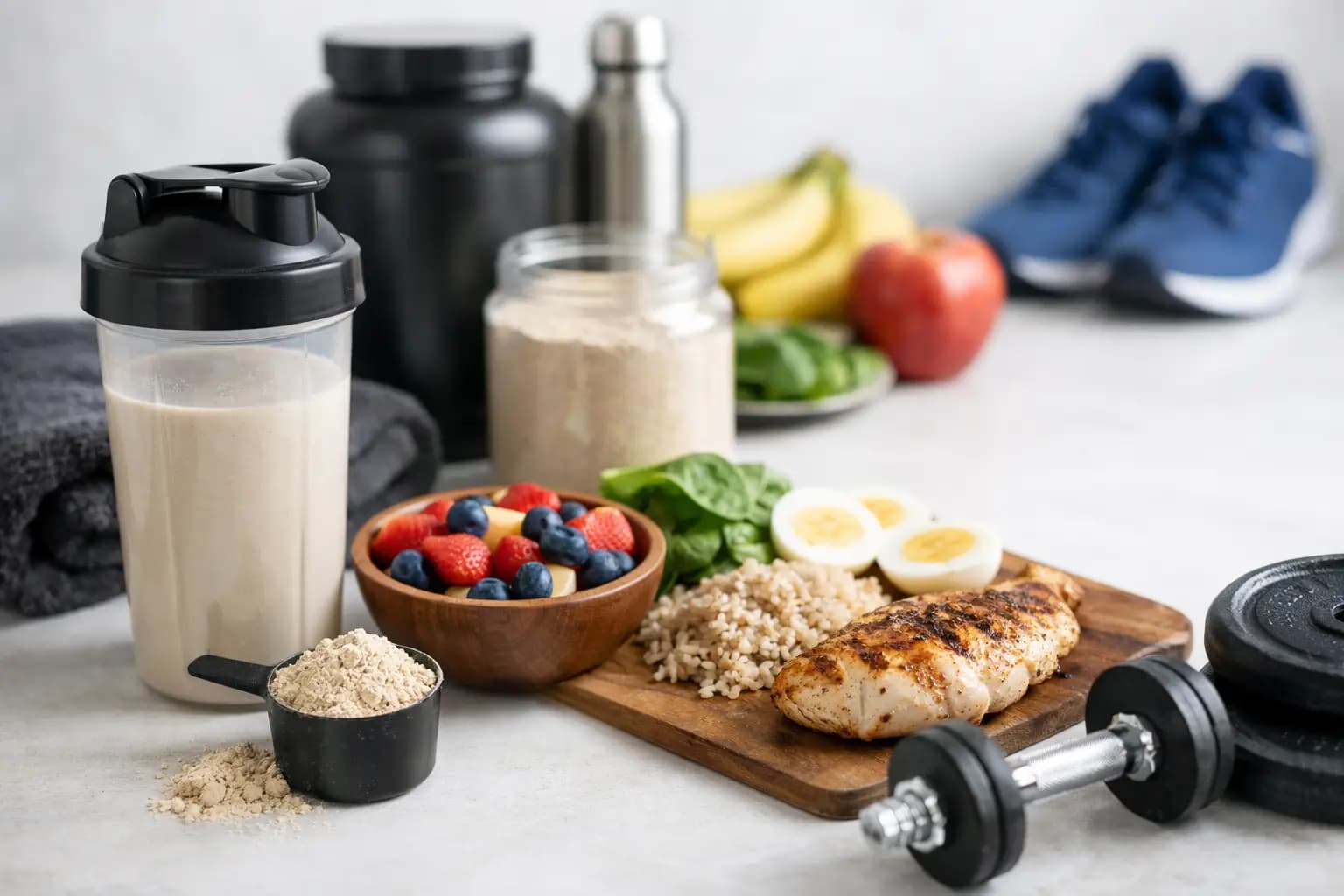
You can eat a healthy breakfast and a sensible dinner, then still come unstuck at 4 pm when hunger hits and the biscuit tin starts calling. That is why meal plans with protein snacks work so well in real life. They do not just look tidy on paper - they help you stay fuller, manage cravings and keep your routine on track when the day gets busy.
For many people, the problem is not knowing what a healthy meal looks like. The problem is the gap between meals. If lunch is light, dinner is late, or your day includes commuting, meetings, school runs or gym sessions, you need more structure than good intentions. A well-built plan with protein at meals and smart snacks in between can make healthy eating feel easier to stick to.
Why meal plans with protein snacks are easier to follow
Protein helps with fullness, which matters if your goal is weight management or better portion control. It also supports muscle maintenance, which is especially useful if you are training or trying to lose body fat without feeling flat and hungry all day. When snacks include protein rather than just sugar or refined carbs, energy tends to feel steadier and you are less likely to swing from starving to overfull.
That said, more protein is not automatically better. It depends on your size, activity level and overall diet. Some people do well with three meals and one protein snack, while others prefer smaller meals with two planned snacks. The key is consistency. A plan that fits your working week will always beat a perfect plan you abandon by Wednesday.
What a balanced day should look like
The best meal plans with protein snacks are simple enough to repeat. You want each main meal to have a clear protein source, some fibre, and enough volume to keep you satisfied. Then your snack should plug the gap between meals rather than turn into a second lunch.
Breakfast might be a nutritional shake if you need convenience, or yoghurt with oats and berries if you prefer something spoonable. Lunch could be a chicken salad wrap, eggs on wholegrain toast, or a pasta bowl with tuna and veg. Dinner is often easiest when you keep it familiar - lean protein, potatoes or rice, and plenty of vegetables.
Where people often lose structure is the snack slot. A proper protein snack is planned, portable and easy to portion. It should be something you can keep at work, in your bag or at home without much effort. That removes the decision fatigue that usually leads to grabbing crisps, pastries or random cupboard food.
How to build your plan around your real day
A meal plan only works if it matches your schedule. If you train first thing, your mornings may need more support than someone who exercises after work. If you have a long gap between lunch and dinner, an afternoon snack becomes less of an extra and more of a necessity.
Start with your non-negotiables. Think about when you wake up, when you can realistically eat, and where your biggest hunger points show up. Most people can spot them quickly. Mid-morning after a light breakfast, late afternoon before dinner, or late evening when they have under-eaten earlier in the day.
Once you know your pressure points, place protein there on purpose. If afternoons are your downfall, make that your main snack slot. If evenings are tougher, it may be better to strengthen lunch and keep a lighter planned option for later. There is no point forcing a routine that ignores how your appetite actually behaves.
A practical 3-day example
Here is what a realistic structure can look like.
Day 1
Breakfast could be a Formula 1-style meal replacement shake for speed and portion control. Lunch might be a chicken and salad pitta with fruit. Your afternoon protein snack could be a protein bar or a pot of high-protein yoghurt. Dinner could be grilled salmon, baby potatoes and green beans.
This kind of day works well for someone with a busy morning because breakfast takes very little effort, and the snack stops the late-afternoon energy dip that often ends in overeating at dinner.
Day 2
Breakfast might be overnight oats made with added protein powder and sliced banana. Lunch could be a jacket potato with cottage cheese and side salad. A good snack option in the afternoon could be protein chips or boiled eggs with cherry tomatoes. Dinner might be turkey mince chilli with rice and steamed veg.
This day suits people who want more chewing and texture from meals rather than relying on drinks alone. It is also a reminder that protein snacks do not have to be sweet.
Day 3
Breakfast could be Greek yoghurt with berries and a sprinkle of seeds. Lunch might be a shake if your midday break is short. Your protein snack could be a small protein drink, roasted edamame, or a bar kept in your desk drawer. Dinner could be a stir-fry with prawns, mixed vegetables and noodles.
This works well when lunch is rushed. Instead of pretending you will cope until dinner, the snack gives you a planned bridge so your evening stays controlled.
Choosing the right protein snacks
Not every snack marketed as high protein is especially helpful. Some are effectively sweets with a bit of added protein. Others are useful but too low in calories to keep hunger away for more than twenty minutes. The better choice depends on why you need the snack in the first place.
If your goal is fat loss, look for something that gives decent protein without becoming a full extra meal. If your goal is muscle recovery or supporting training, you may want a little more substance. Convenience matters too. A snack that needs refrigeration, prep and cutlery may be fine at home but useless on a train platform or between appointments.
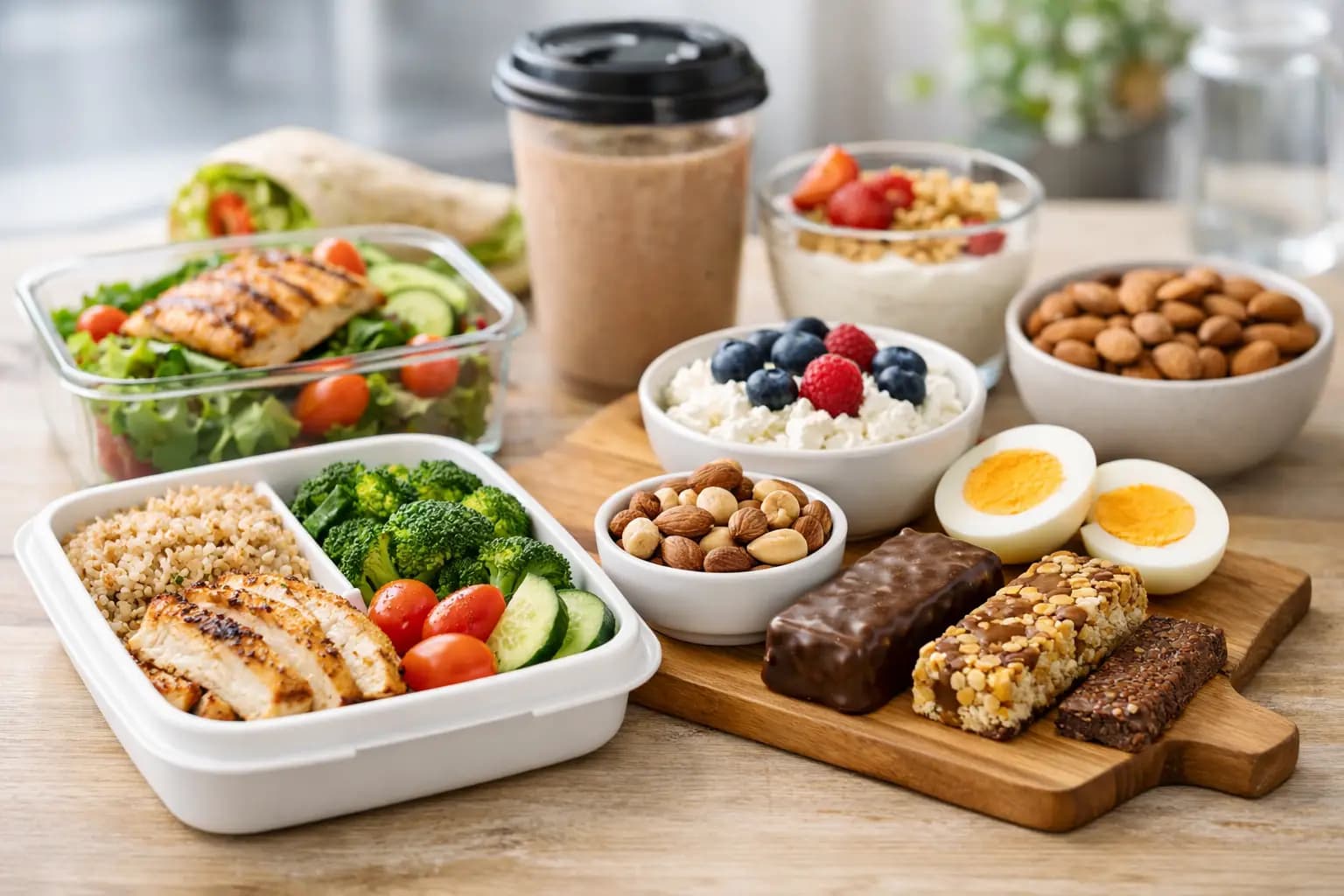
Good options often include protein bars, protein crisps, yoghurt, boiled eggs, cottage cheese, or a ready-to-mix protein drink. Some people prefer savoury snacks because they feel more filling. Others find a sweet protein option helps stop them reaching for chocolate. It depends on what normally knocks you off track.
Common mistakes that make plans fail
One mistake is choosing snacks based on willpower instead of hunger. If you are genuinely hungry, a rice cake and a black coffee is unlikely to sort it. You need enough protein and enough volume to make the snack count.
Another issue is under-eating earlier in the day. Many people try to be too strict at breakfast and lunch, then blame themselves for snacking later. In reality, the plan was too light from the start. Protein snacks work best when they support balanced meals, not when they are covering for a diet that is far too restrictive.
There is also the problem of relying on variety too much. You do not need fifteen snack ideas. You need two or three that you actually enjoy and will keep buying. Repetition is underrated when your goal is consistency.
Keeping it convenient without losing control
Convenience is not cheating. For busy adults, it is often the difference between staying on plan and ordering whatever is fastest. Structured products such as meal replacement shakes, portioned bars and easy protein snacks can remove guesswork and save time, especially during the work week.
That does not mean every meal has to come from a packet. It means using convenience strategically. A shake at breakfast can free up your morning. A protein snack in your bag can stop an impulse purchase at the petrol station. A simple routine you can repeat Monday to Friday often creates better results than spending Sunday meal prepping recipes you are already bored of by Tuesday.
If you want a more guided approach, support from an independent distributor can make the process easier because your plan can be adjusted around your goals rather than copied from a generic chart. For many customers, that extra accountability is what keeps momentum going.
How to know your plan is working
A good meal plan should feel sustainable after the first week. You should notice fewer random cravings, more stable energy, and less of that all-or-nothing feeling around food. Weight management may improve, but so should routine adherence, which is often the bigger win at the start.
You do not need perfection to see progress. If your meals are mostly structured and your snacks are planned instead of reactive, you are already in a stronger position. Small changes such as adding one reliable protein snack each day can create a noticeable difference over time.
The best meal plan is not the strictest one. It is the one you can follow on your busiest Tuesday, not just on a calm Sunday. Start there, keep it practical, and give yourself a routine that works with your life rather than against it.