Some snack decisions feel small until they start affecting your routine every day. That is exactly why protein bars vs protein chips is a useful comparison. If you are trying to manage your weight, hit your protein target, avoid random cupboard raids at 4pm, or keep your plan on track while travelling, the better choice is not always the one with the louder health claim on the pack.
Both options can earn a place in a practical nutrition routine. The real question is what job you need that snack to do. A protein bar and a bag of protein chips might both be high in protein, but they create very different eating experiences, and that matters more than many people realise.
Protein bars vs protein chips: the main difference
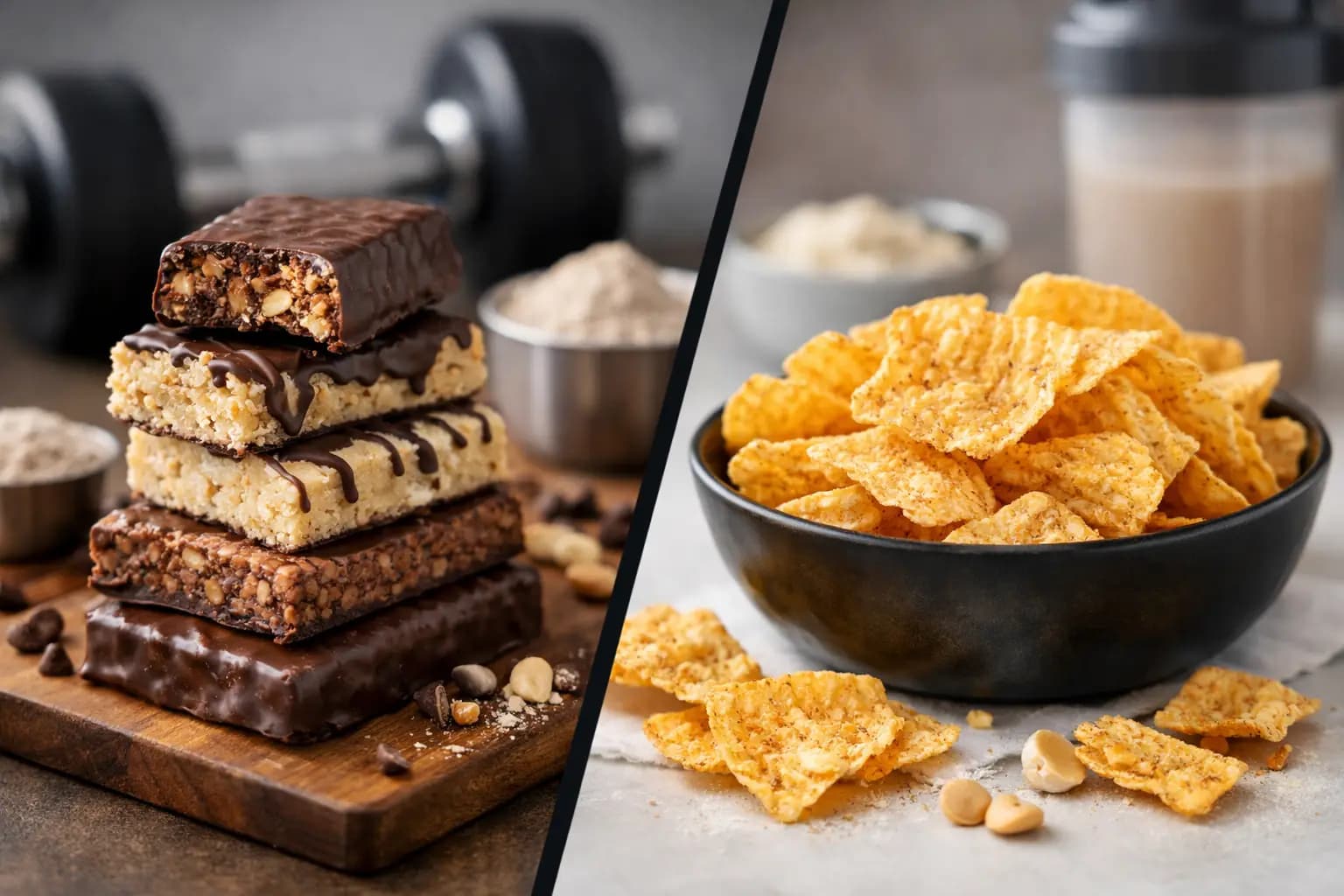
The simplest way to look at protein bars vs protein chips is this: bars tend to be denser, sweeter and more filling, while protein chips feel lighter, savoury and more like a classic snack. That difference shapes when each one works best.
A protein bar usually suits moments when you need something that feels closer to a mini meal. It often has a more substantial texture, takes longer to eat, and can help bridge the gap between meals when your day gets busy. If you are heading from work to the gym, travelling, or stuck between meetings with no proper lunch in sight, a bar often feels more satisfying.
Protein chips are different. They are usually chosen by people who miss the crunch and saltiness of standard crisps but want a snack that supports better nutrition goals. If your challenge is not hunger but the urge to snack in the evening, watch something on the sofa, or have something savoury with your lunch, protein chips can feel far more satisfying psychologically.
That is the first trade-off. One tends to satisfy appetite more directly. The other tends to satisfy cravings more effectively.
When protein bars make more sense
A protein bar is often the stronger option when structure matters. If you are trying to keep your eating routine consistent, bars are useful because they are portable, tidy and predictable. You can keep one in a gym bag, work drawer or car and know you have a backup plan instead of ending up with a pastry, chocolate bar or skipped meal.
For people focused on weight management, that predictability can be a real advantage. You know the portion size, you know the protein content, and you are less likely to drift into overeating than you might with a larger grab-and-go snack. It is not glamorous, but consistency usually beats perfection.
Bars also work well after exercise if you need a quick protein option and cannot get to a proper meal straight away. They are especially convenient for anyone who trains around commuting, school runs or shift work. You do not need prep, refrigeration or utensils. You just get on with your day.
There is a catch, though. Some people find bars a bit too sweet, especially if they already use shakes or enjoy sweeter breakfast options. If your routine already includes sweet flavours, another sweet snack later on can feel repetitive. A bar may also feel too heavy if you only want something light to take the edge off.
When protein chips come out on top
Protein chips are often the better answer when you want the experience of snacking without completely stepping away from your goals. They bring crunch, saltiness and that familiar crisp-style satisfaction, which can make a huge difference if you tend to feel restricted on a healthy eating plan.
That matters more than it sounds. Many people do not struggle because they are physically starving. They struggle because they miss the foods and textures that make eating enjoyable. If a bag of protein chips helps you stay on plan instead of reaching for standard crisps, pub snacks or whatever is in the cupboard, that is a practical win.
They can also fit nicely alongside lunch. A bar can feel out of place with a savoury meal, whereas protein chips can sit more naturally next to soup, a sandwich or a salad. For some people, that makes them easier to build into everyday eating habits.
Still, protein chips are not always the better pick for hunger. Crunchy foods can disappear quickly, and even when the nutrition is better than standard crisps, they may not keep you full for long if you are genuinely hungry. If you are eating because you skipped breakfast and your stomach is rumbling, a bag of protein chips might not solve the actual problem.
What matters most: protein, calories or fullness?
This is where people often overcomplicate things. Yes, protein content matters. Yes, calories matter. But the most useful question is whether the product helps you stick to your goal.
If two snacks both offer decent protein, the better one is usually the one that stops you from going off track later. For one person, that will be a bar because it feels substantial and prevents a raid on the biscuit tin an hour later. For another, it will be protein chips because they scratch the savoury-snack itch that a bar never could.
Fullness is personal. Some people feel satisfied by dense, chewy foods. Others want volume and crunch. There is no universal winner here, which is why the smartest approach is to match the snack to the situation rather than trying to crown one as best for everyone.
If you are in a calorie deficit, this becomes even more important. The snack that looks better on paper is not automatically the one that helps you most in real life. Adherence matters. Enjoyment matters. A plan you can actually follow beats a perfect plan you abandon by Thursday.
Protein bars vs protein chips for fat loss
For fat loss, protein bars vs protein chips is less about which is more diet-friendly and more about which helps you stay consistent week after week. Both can fit into a calorie-controlled approach if used intentionally.
Protein bars often suit fat loss when they replace a less balanced convenience snack or help prevent missed meals that lead to overeating later. They are useful for busy people who need a simple option that supports portion control. If your day tends to go off the rails when you are unprepared, bars can be a strong tool.
Protein chips can be excellent for fat loss if snacking is your danger zone. They give you a better alternative to standard crisps and can make your routine feel less restrictive. That can reduce the all-or-nothing mindset that derails so many people.
Where people go wrong is treating either option as a free pass because the word protein is on the front. They are still products to use with purpose, not excuses to snack endlessly. The right product is the one that fits your eating habits, your triggers and your daily schedule.
For gym goals, the choice depends on timing
If your main focus is training and recovery, timing changes the answer. A protein bar usually makes more sense when you need something convenient after a session or between appointments. It is often the easier grab-and-go option if you need protein and a more substantial feel.
Protein chips can still work for active people, but they are often better as a general high-protein snack than as a proper post-workout option. If you have just trained hard and need something that feels more like refuelling, chips may not feel enough on their own.
That said, not everyone wants a heavy snack after exercise. If you have a full meal planned soon after training, protein chips might be perfectly fine to tide you over. Again, context matters.
The best choice for busy British routines
Most people are not making this decision in ideal conditions. They are choosing between snacks in the car, at a desk, after the school run, or before a late gym session. Convenience matters, and so does enjoyment.
If you need something reliable, portable and more filling, a protein bar often wins. If you want a snack that feels enjoyable, savoury and closer to crisps without abandoning your goals, protein chips often come out ahead.
Many customers do best when they stop treating this as an either-or decision. Keeping both available can make your routine easier to maintain. Use a bar when you need staying power. Use protein chips when you want a smarter savoury snack. That kind of flexibility is often what turns a short burst of motivation into a routine that lasts.
At HL Shop UK, that is exactly how we encourage people to think about nutrition products - not as magic fixes, but as practical tools that make healthy choices easier on real, busy days.
Snacks are only half the picture, though: for the meals themselves, see our guide to the best meal replacement shakes UK — and if you are focused on hitting a daily protein target, our guide to Herbalife protein powder covers the shake side.
The best snack is the one that supports your next good decision, not just the one that looks healthiest on the label.