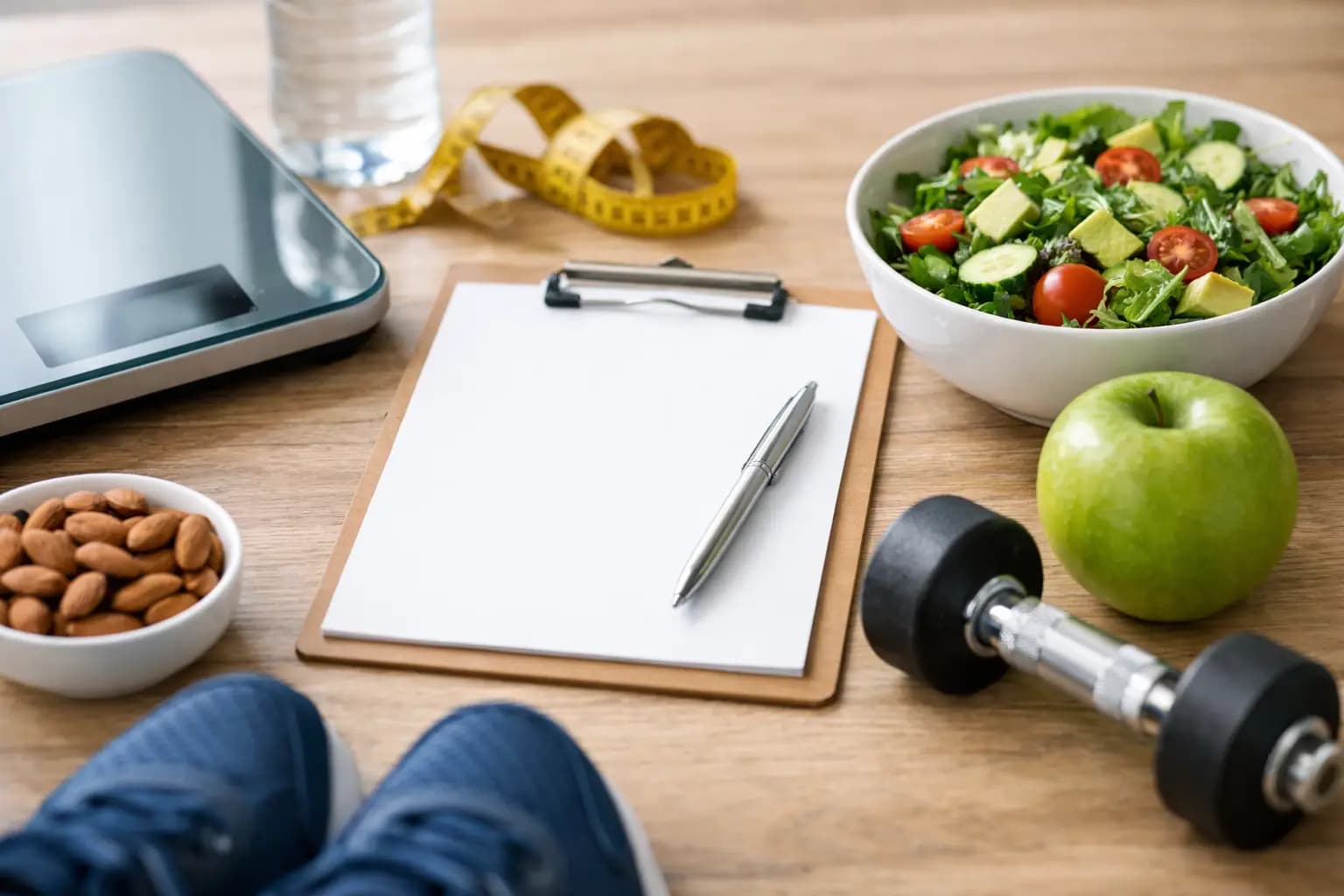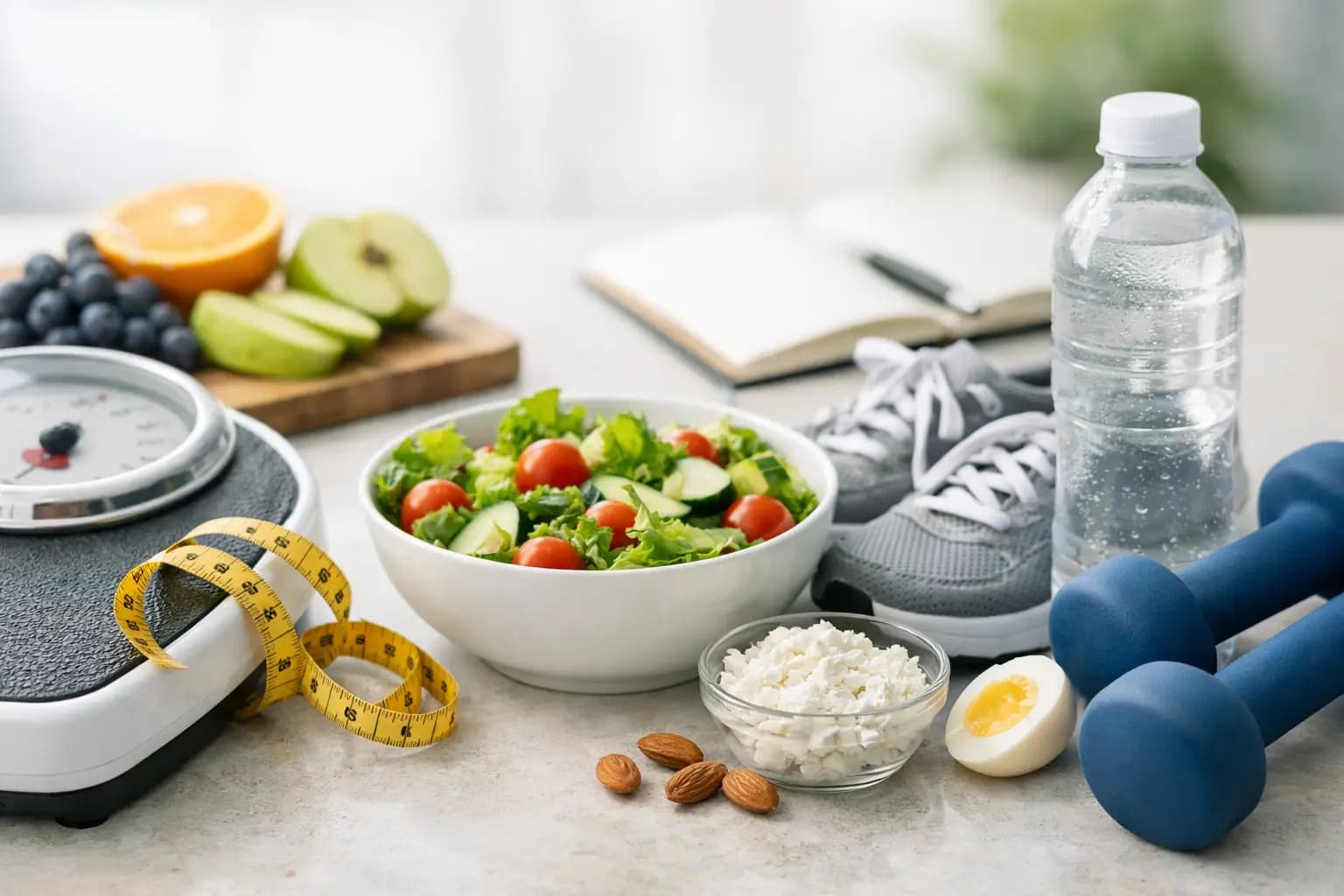
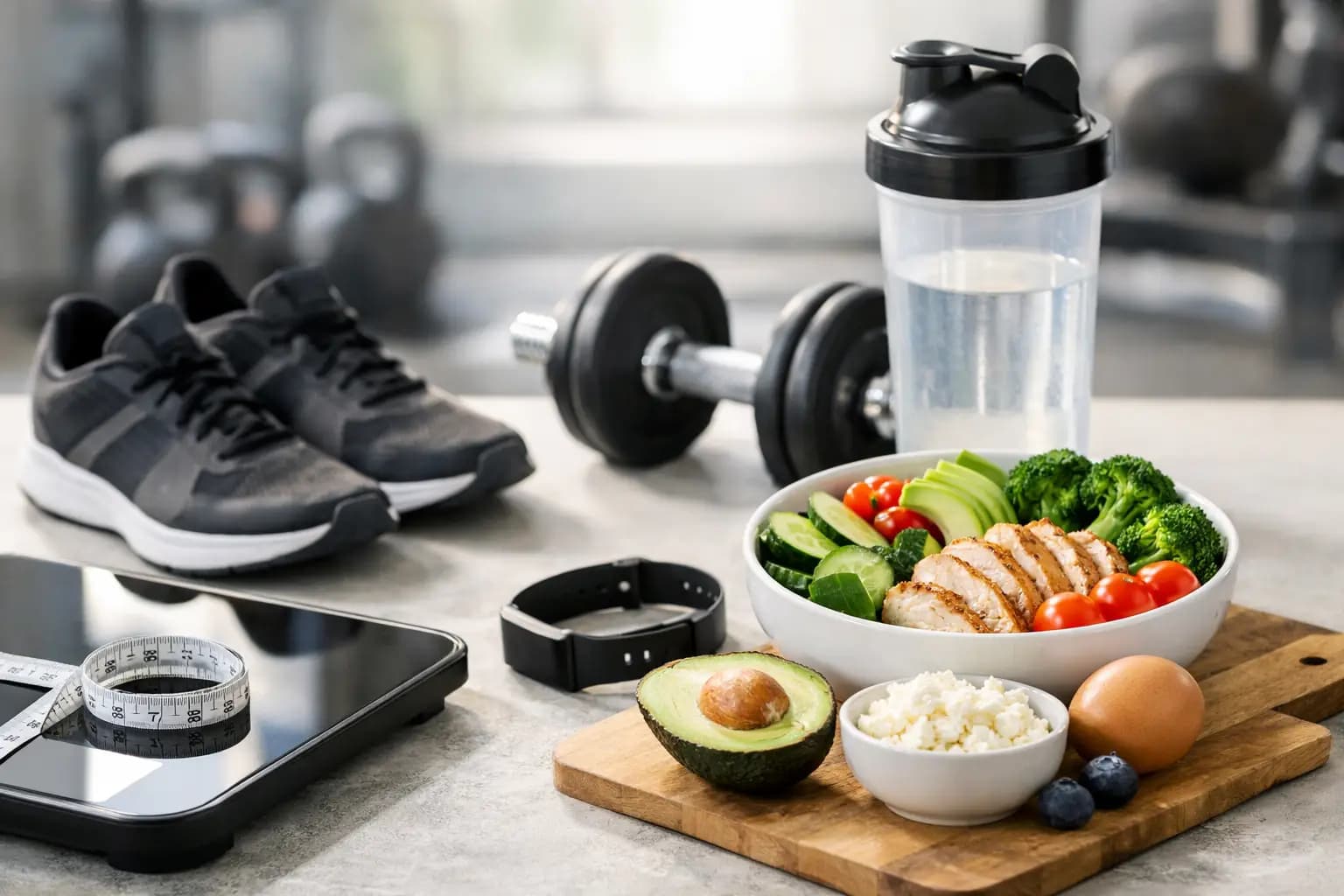
Monday starts well. By Thursday, breakfast has been skipped, lunch was whatever was quickest, and the plan has already started to feel like hard work. If that sounds familiar, learning how to start a fat loss programme is less about going all in and more about building a routine you can actually stick to.
The good news is that fat loss does not need to feel complicated. Most people do better with structure, convenient meals, and clear support rather than another extreme challenge. A good programme gives you enough guidance to stay consistent, while still fitting around work, family life, training, and the usual day-to-day chaos.
What a fat loss programme should actually do
A proper fat loss plan is not just a low-calorie week followed by a rebound. It should help you eat with more consistency, improve your protein and fibre intake, reduce mindless snacking, and make it easier to stay in a calorie deficit over time. That is where results usually come from.
This matters because fast starts can be misleading. If a plan is too restrictive, too expensive to maintain, or too awkward for your schedule, it tends to fall apart. The best programme is the one you can follow when life is busy, not the one that looks perfect on paper.
For some people, that means replacing one or two meals a day with something quick and measured. For others, it means tightening up portion sizes, increasing protein, and planning snacks so they stop picking through the kitchen at 9pm. Both approaches can work. It depends on your routine, your confidence around food, and how much decision-making you want to remove.
How to start a fat loss programme without overcomplicating it
Start with one clear reason. It might be to feel more comfortable in your clothes, improve energy, get back into training, or create a healthier routine after months of stop-start dieting. The reason matters because motivation changes week to week. A vague goal like “get fitter” is easy to ignore. A specific goal is easier to act on.
Once you know why you are doing it, set a realistic target. Aiming to lose fat steadily is usually more useful than chasing dramatic weekly drops. Quick losses can happen at the start, especially if your diet has been inconsistent, but sustainable progress is what keeps you moving forward.
Then look at your current routine honestly. Where are things slipping? Breakfast skipped, then overeating later? Not enough protein? Too many convenience foods that leave you hungry an hour later? Little habits matter more than one so-called cheat meal. If you know what is getting in the way, your programme can solve a real problem instead of guessing.
Build your meals around simplicity
One of the biggest reasons people give up is that their plan asks too much from them. If every meal needs weighing, cooking, and endless prep, consistency becomes difficult. A simpler structure often works better.
Aim for meals that are high in protein, sensible in calories, and easy to repeat. Meal replacement shakes can help here, especially if mornings are rushed or lunch is usually bought on the go. They remove guesswork, support portion control, and can make it easier to keep your day on track. That does not mean every meal should come from a shaker. It means having practical options ready before hunger makes the decision for you.
Alongside that, include foods that help with fullness. Protein, fibre, fruit, vegetables, and enough fluids all make a difference. If your meals are too small or lack balance, the day often ends in cravings. A programme should help control appetite, not just calories.
A simple daily structure that works for many people
A lot of beginners do well with a straightforward rhythm: a planned breakfast, a reliable lunch, one balanced evening meal, and one or two controlled snacks if needed. That alone can clean up a lot of inconsistency.
For example, breakfast might be a meal replacement shake with added protein support. Lunch could be another quick, structured option or a lean protein meal with salad, rice, or potatoes. Dinner stays normal but more measured, with a clear protein source and plenty of veg. That is not glamorous, but it is practical, and practical tends to win.
Do not ignore movement, but do not rely on it either
Exercise helps, but it is not the starting point for everyone. If you already train, your programme should support recovery and preserve muscle with enough protein. If you do not train regularly, begin with what feels realistic. Walking more, adding a few home workouts, or getting back into the gym two or three times a week is enough to create momentum.
The mistake is thinking exercise will outdo poor eating habits. It rarely works that way. A takeaway and a few extras can wipe out the calorie burn from a session very quickly. Nutrition usually drives fat loss, while movement supports health, fitness, and long-term maintenance.
There is also a trade-off here. Going from no exercise to six hard sessions a week can increase hunger and fatigue, which sometimes leads to overeating. Starting smaller often gives better results because it is easier to recover from and repeat.
Track the right things from the beginning
If you want to know whether your programme is working, do not rely on one weigh-in after a salty meal or a weekend out. Track patterns, not single moments.
Your body weight can fluctuate for plenty of reasons, including hydration, hormones, and meal timing. Weighing yourself a few times a week and looking at the trend is usually more useful than reacting emotionally to one number. Progress photos, waist measurements, how your clothes fit, and daily energy levels also tell an important story.
This is where many people quit too early. They expect instant visual change, but the first phase is often about proving to yourself that you can follow the plan. Consistency comes before dramatic results.
Expect boredom, not just hunger
A lot of articles talk about hunger, but boredom is often the bigger issue. Repeating similar meals, saying no to impulsive snacks, and sticking to a routine can feel dull compared with old habits. That does not mean your plan is failing. It means your environment is no longer deciding everything for you.
This is also why convenience matters. If healthier choices take too much effort, motivation drops. Keeping simple products and meal options at home makes a huge difference. Fast delivery, straightforward bundles, and a ready-made programme can remove the friction that usually knocks people off course.
Support matters too. Some people are perfectly happy planning everything alone. Others get better results when they have product guidance, accountability, and someone to help them adjust when progress slows. That extra layer can turn a short burst of effort into a routine that lasts.
How to start a fat loss programme and stay on it
The first two weeks should feel structured, not punishing. If you are constantly starving, obsessing over food, or already planning a blowout meal, your setup probably needs work. A good programme should challenge you, but it should still feel manageable in real life.
It helps to prepare for common problem moments. Late-night snacking, work lunches, social drinks, and weekends are where progress often slips. You do not need to be perfect, but you do need a plan. That might mean having a controlled snack ready, choosing a lower-calorie meal before going out, or deciding in advance how many drinks you are having.
There is no prize for suffering through a plan that clearly does not suit you. If one meal replacement a day is more sustainable than two, do that. If a higher-protein snack stops you raiding the biscuit tin later, build it in. Results come from repeatable habits, not from pretending you live a different life.
For anyone who wants a more guided approach, HL Shop UK offers structured product options designed to make weight management simpler, with personalised support from an authorised independent distributor. That can be especially useful if you want less guesswork and more day-to-day direction.
What success looks like in the early stage
Success at the start is not only about the scale. It looks like eating breakfast consistently, getting through the afternoon without a crash, resisting random snacking, and feeling more in control of your choices. Those changes create the conditions for fat loss to happen.
That is why the best time to start is not when life becomes perfect. It is when you are ready to make your routine a bit more structured and a lot more intentional. Keep it simple, stay consistent, and give your programme enough time to work. A good start is not dramatic. It is steady enough to still be there next month.