You do not need a perfect diet, a punishing gym plan or another short-lived Monday restart. What you need is a weight management programme guide that makes everyday choices simpler, more structured and easier to stick to when real life gets busy. For most people, progress comes from a routine they can repeat, not a burst of motivation that fades after a week.
That is why the best programme is rarely the most extreme one. It is the one that fits your schedule, your appetite, your budget and your current level of confidence. If your plan feels too complicated to follow on a workday, during school runs or after a long commute, it is probably too complicated full stop.
What a good weight management programme guide should do
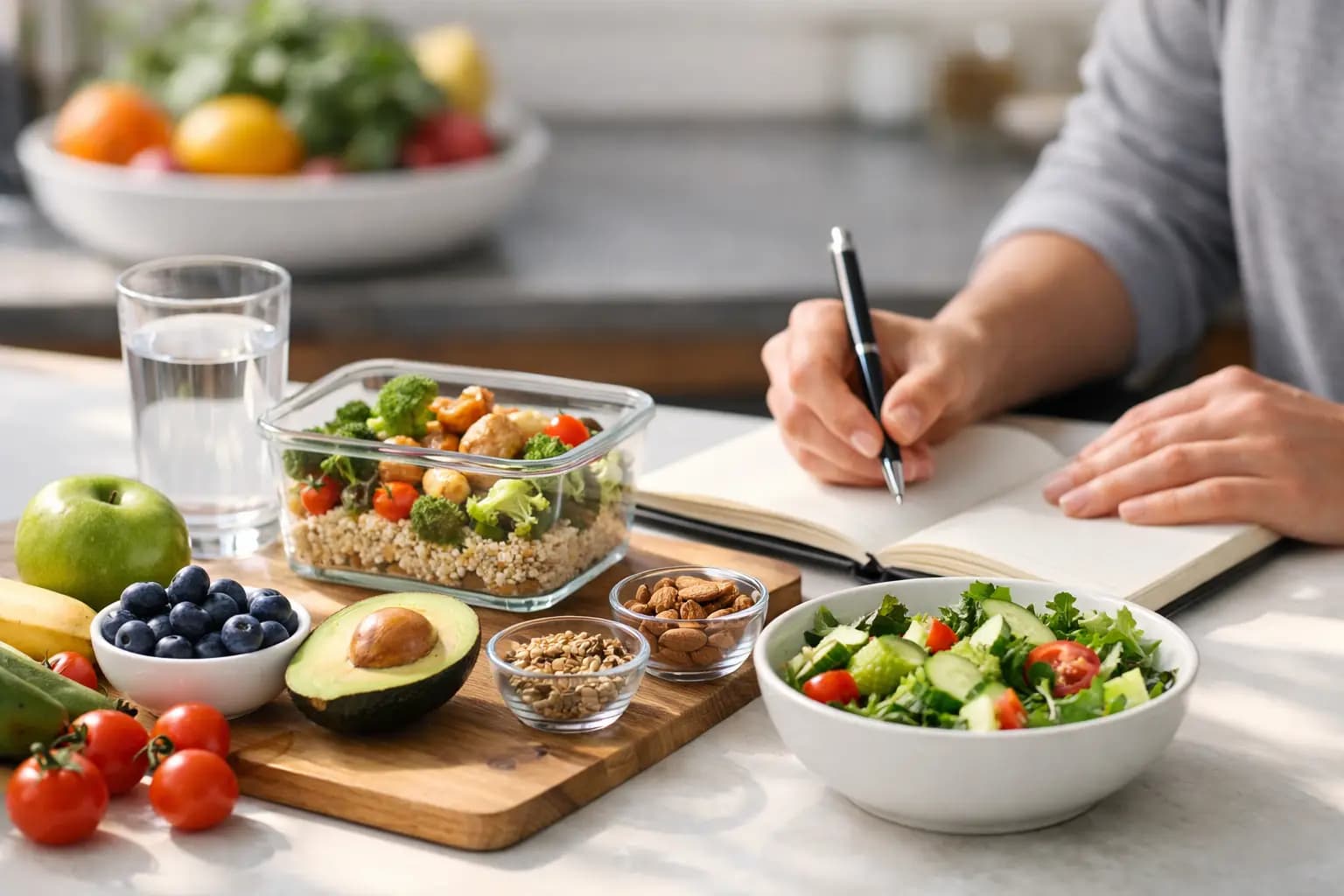
A useful programme should remove guesswork. It should help you know what to eat, when to eat, how to manage cravings and how to stay on track without feeling like every meal is a test of willpower. Structure matters because decision fatigue is real. When you have a plan for breakfast, lunch, snacks and hydration, you are less likely to drift into whatever is quickest.
It should also be realistic about trade-offs. Faster weight loss can feel motivating at first, but if the plan leaves you tired, hungry and fed up, adherence usually suffers. A steadier approach often works better because it supports consistency. That may sound less exciting, but consistency is what changes results over time.
The strongest programmes also include support. That might mean product guidance, practical meal ideas or help adjusting your routine when progress slows. Many people do better when they are not trying to figure everything out alone.
Start with your real goal, not your ideal one
Most people say they want to lose weight, but the more useful question is why. Do you want better portion control, fewer takeaways, more energy in the afternoon, improved confidence, or a routine that stops the cycle of over-restricting and overeating? Your answer shapes the right plan.
If convenience is your biggest challenge, simple meal replacement options may help more than an elaborate food prep routine you already know you will not maintain. If snacking is the issue, adding more protein and fibre across the day can be more effective than relying on self-control at 4 pm. If your weekends undo your weekday effort, your programme needs flexibility, not just weekday discipline.
Be honest here. There is no prize for choosing the hardest route.
Build your programme around routine
A practical weight management programme guide should be built around repeatable habits. That usually starts with regular meals. Skipping breakfast and then picking at biscuits, crisps and whatever is in the office kitchen is not unusual, but it tends to make appetite harder to manage later.
For many adults, a simple structure works well: a planned breakfast, a balanced lunch, a sensible evening meal and one or two intentional snacks if needed. The exact timings can vary. Shift workers, parents and people with long commutes may need a different pattern. The key is that your eating day should feel organised rather than accidental.
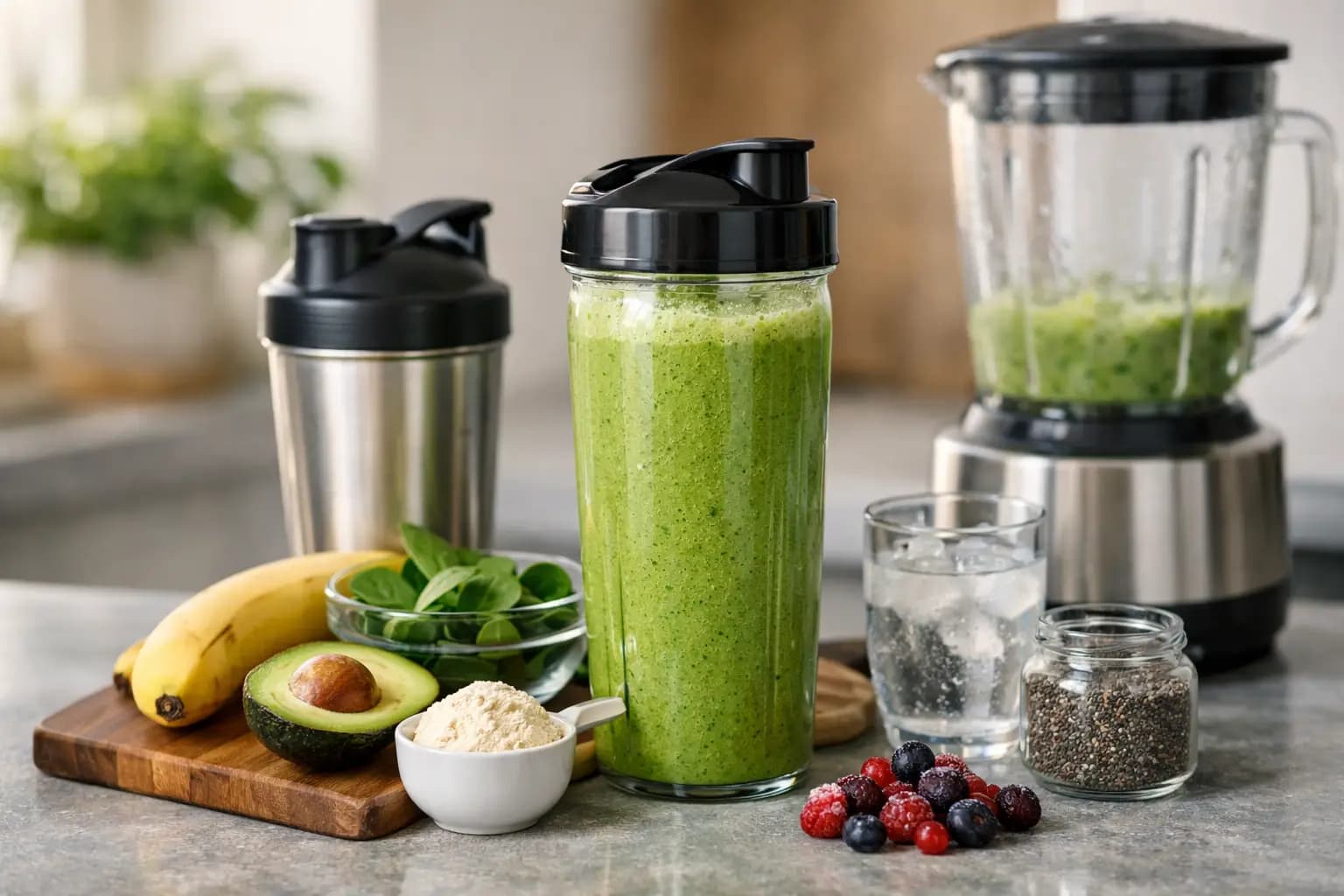
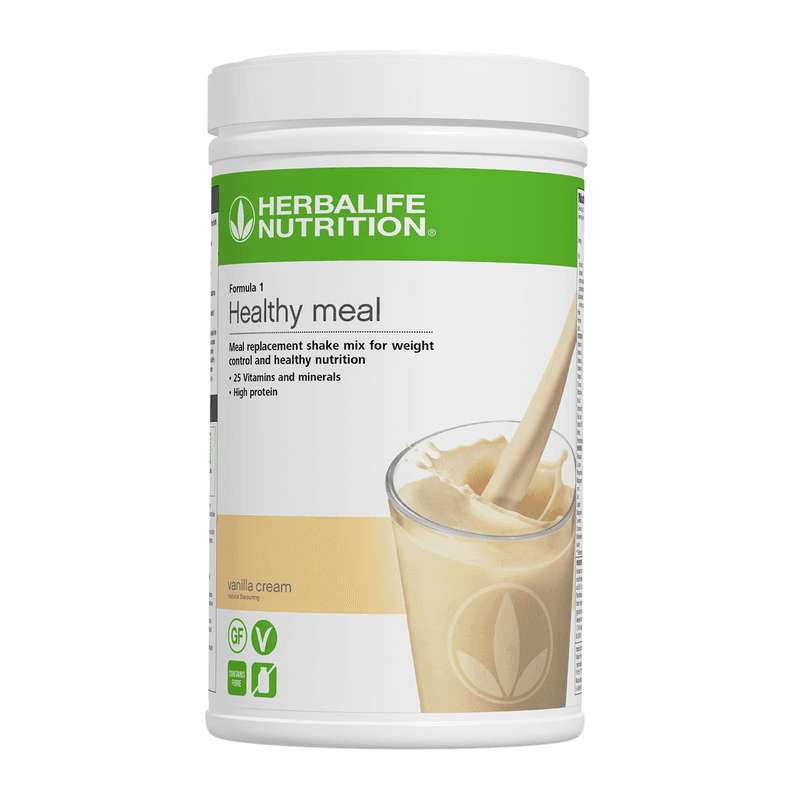
This is where convenience products can earn their place. A nutritionally balanced shake can be useful when you need a fast breakfast or a controlled lunch without the hassle of planning every ingredient. That does not mean every meal should come from a shaker. It means a practical solution can stop one chaotic meal from turning into a chaotic day.
The role of protein, fibre and hydration
If hunger is derailing your progress, look at the quality of your meals before assuming you need stricter discipline. Protein helps with fullness and supports muscle maintenance, especially if you are active. Fibre helps with satiety and digestive comfort. Hydration matters more than many people realise, because thirst and tiredness are often mistaken for hunger.
A programme that includes protein shakes, protein snacks or higher-protein meal options can make the day easier to manage, particularly if you tend to rely on convenience foods. Fibre products can also help round out a plan when your usual meals are low in fruit, vegetables or wholegrains. Herbal teas and flavoured hydration options can support better fluid intake if plain water feels repetitive.
That said, products should support your routine, not replace common sense. If your evening meal is oversized because you barely ate all day, no snack bar will fix the pattern on its own. The best results come when products are used as part of a wider structure.
Choosing the right level of structure
Some people do well with a loose framework. Others want a more guided plan with clear meal options, serving ideas and product combinations. Neither approach is automatically better. It depends on how much decision-making you want to remove.
If you are a beginner, too much flexibility can be a problem because it leaves room for constant negotiation with yourself. In that case, a curated programme can be helpful. Having selected products, a set routine and straightforward guidance can reduce friction and make it easier to get started.
If you already understand your habits and simply want better convenience, you may need less structure. You might choose a breakfast shake, a protein-based snack and a hydration routine while keeping lunch and dinner food-based. That lighter-touch setup can still be effective if it solves the points where your current routine breaks down.
Why support improves results
One of the biggest differences between buying products and following a programme is support. Products on their own can sit in the cupboard. Guidance helps turn them into a plan.
That support matters when questions come up. Should you replace one meal or two? Which products suit your goal best? How do you manage social meals, late-night hunger or a drop in motivation after the first fortnight? These are the moments when personalised help can keep momentum moving.
This is where working with a retailer that understands programme-based weight management can feel different from adding random items to a basket. At HL Shop UK, the aim is not just fast delivery and competitive pricing, but helping customers choose a setup they can genuinely use. That kind of backing can make the whole process feel more achievable.
Common mistakes that make a programme harder than it needs to be
The first is going too low, too fast. If your plan leaves you constantly hungry, irritable and thinking about food all day, it is unlikely to last. Better to create a modest calorie deficit with meals you can repeat than chase dramatic early losses and then rebound.
The second is relying on motivation instead of systems. Motivation is useful, but it is unreliable. A stocked cupboard, pre-planned breakfasts and easy grab-and-go options are more dependable than a promise to be "good" this week.
The third is treating one off-plan meal as failure. Real life includes birthdays, takeaways, pub lunches and busy weekends. A strong programme absorbs these moments and gets you back into routine quickly. It does not turn one meal into a lost week.
The fourth is ignoring convenience. People sometimes think convenience means compromise, but for many busy adults, convenience is exactly what improves consistency. If a healthy option is quick, familiar and easy to repeat, it is far more likely to become part of everyday life.
How to know if your programme is working
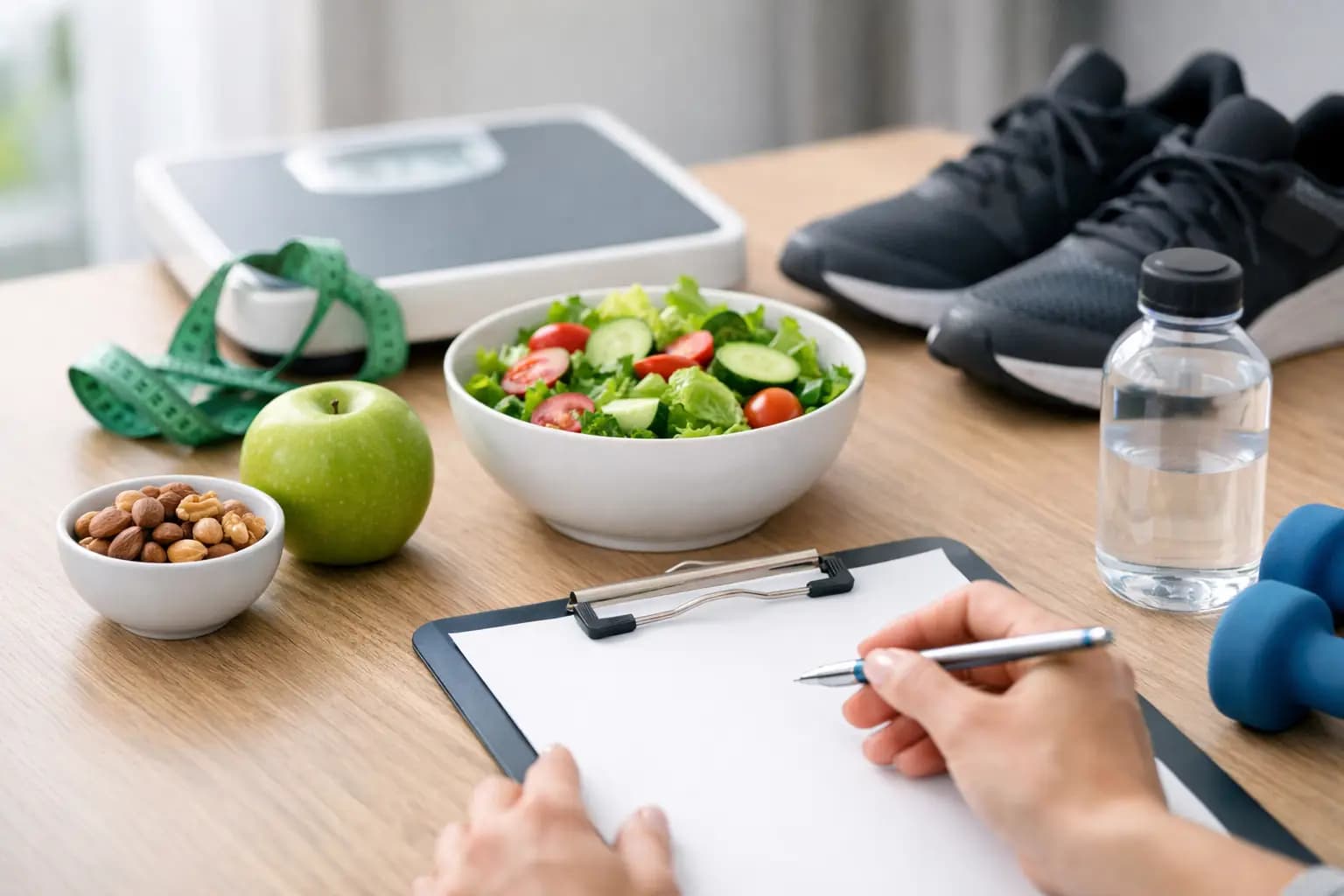
The scale can be useful, but it should not be the only measure. Look at adherence first. Are you following the plan more days than not? Are cravings easier to manage? Are you less likely to skip meals and overeat later? Do you feel more in control around food?
Weight trends matter, but short-term fluctuations are normal. Salt intake, menstrual cycle, stress, poor sleep and restaurant meals can all shift the number temporarily. If you are sticking to your routine, give it time before changing everything.
It is also worth noticing non-scale progress. Better energy, improved gym performance, fewer random snacks and a more organised food routine all count. These are often the signs that a plan is sustainable.
Make your plan easy to continue
The best weight management programme guide is not the one that sounds impressive on paper. It is the one you can keep following when work gets hectic, when the weather turns, when the children are off school or when your motivation dips. Simplicity wins more often than intensity.
Choose a plan that gives you enough structure to stay focused, enough flexibility to live your life and enough support to adjust when needed. Look for practical nutrition, convenient options and guidance that feels personal rather than generic. Add in good value, fast delivery and products you will actually use, and sticking to your routine becomes far more realistic.
You do not need to wait for a perfect moment to start. A better breakfast, a more organised lunch and a smarter snack choice can be enough to shift the week in the right direction. Keep it simple, keep it consistent, and let the plan work with your life rather than against it.