You do not need a fridge full of expensive ingredients or a perfect Sunday meal prep session to get your eating back on track. If you are wondering how to improve nutrition routine without making life harder, the best place to start is not with extremes. It is with repeatable choices you can actually manage on a workday, after the school run, or when your energy is low and convenience wins.
For most people, the real problem is not knowledge. It is inconsistency. You might eat well for two days, then skip breakfast, grab biscuits at your desk, order a takeaway at night and feel like the whole week has gone off course. A better nutrition routine is not built on one ideal day. It is built on making your usual days easier to handle.
Why your nutrition routine keeps slipping
A lot of healthy eating advice sounds great until real life gets involved. Long hours, commuting, family schedules, gym sessions, and plain old decision fatigue can make even basic planning feel like effort. That is why routines fail when they rely too much on motivation.
If your meals are random, your appetite often becomes random too. You may go too long without eating, then feel ravenous and reach for whatever is quickest. Or you might eat enough calories but not enough protein or fibre, which can leave you hungry again far too soon. In that situation, the issue is not willpower. The structure is weak.
Improving your routine means creating more predictability. Not rigid rules, but a framework that makes good choices quicker than poor ones.
How to improve nutrition routine without overcomplicating it
Start by looking at the moments where your routine usually breaks down. For some people it is breakfast. For others it is the late afternoon slump, evenings in front of the telly, or weekends when all structure disappears. If you fix those pressure points first, progress feels much easier.
A useful routine has three things in place. It gives you reliable meal timing, enough protein and fibre across the day, and simple backup options for busy moments. That last one matters more than people think. Having a plan for ideal days is fine, but having a plan for chaotic days is what keeps you consistent.
Build meals around protein first
Protein helps with fullness, supports muscle maintenance, and generally makes meals feel more substantial. If your breakfast is mostly toast, or your lunch is all carbs with very little protein, you may notice energy dips and constant snacking.
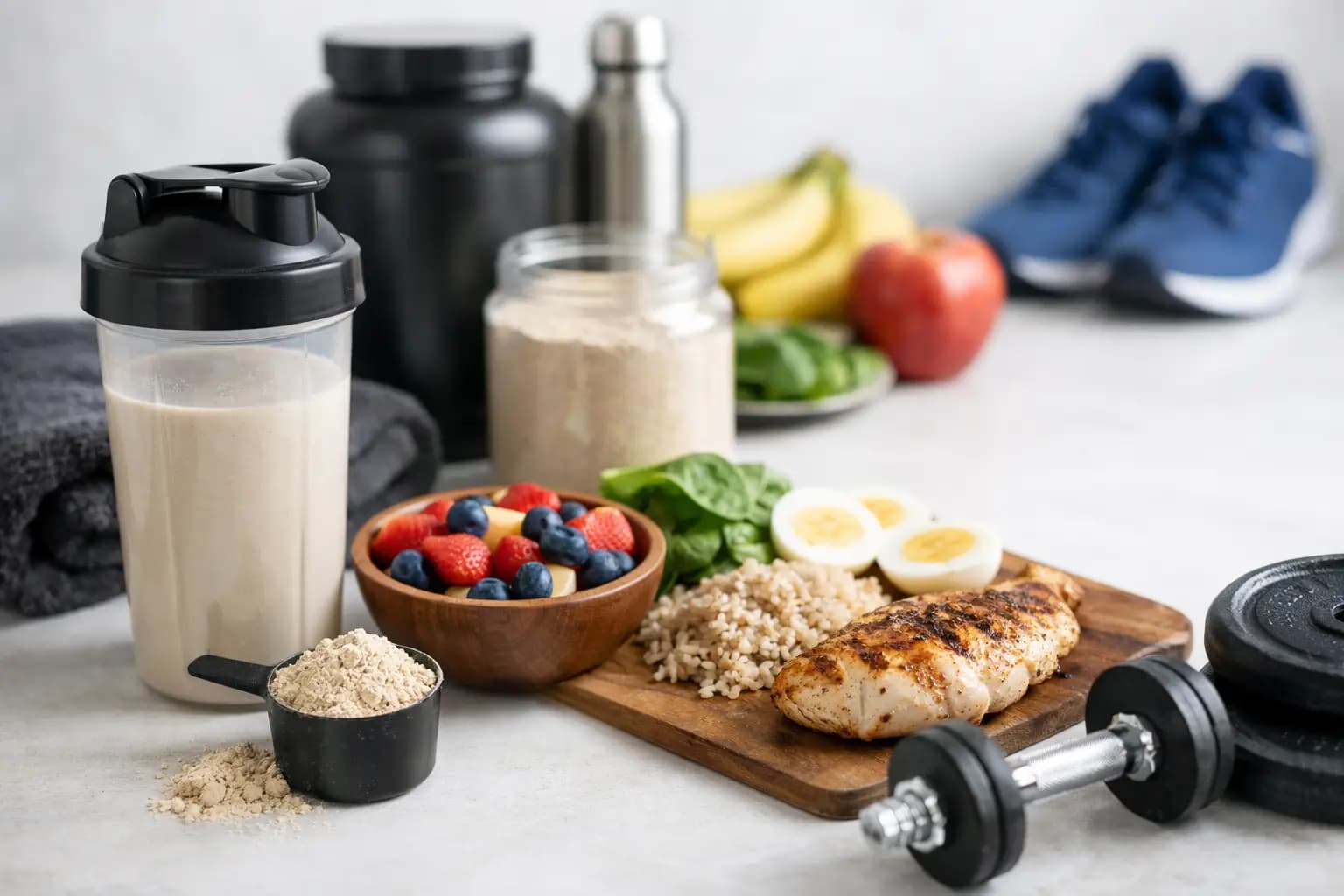
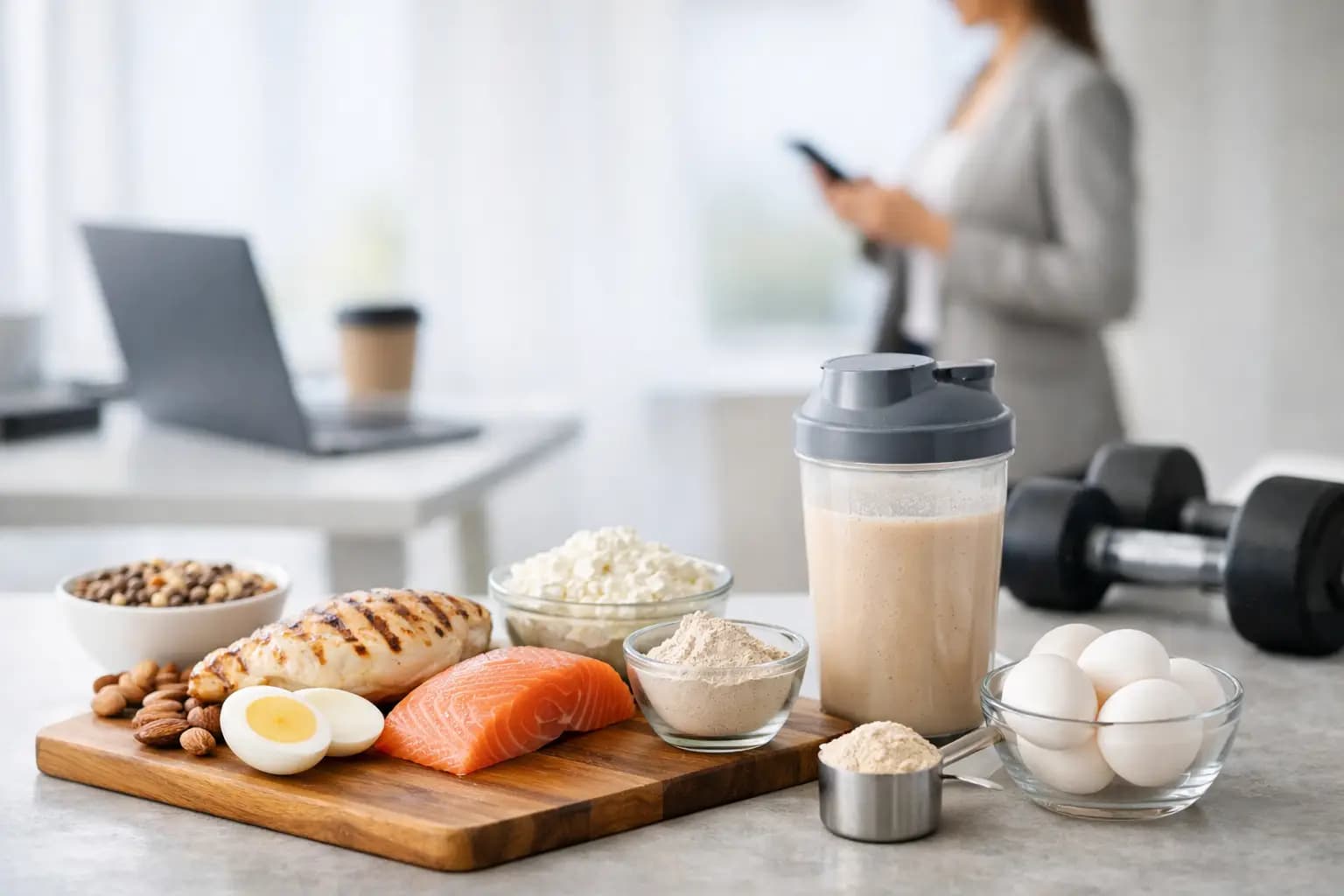
That does not mean every meal has to look like a bodybuilder's prep box. It means asking a simple question when you eat: where is the protein here? It could come from yoghurt, eggs, chicken, fish, cottage cheese, tofu, beans, or a convenient shake when time is tight. For people trying to manage weight or stay on track during a busy week, convenience matters. A quick, portion-controlled option can be more useful than a healthy recipe you never get round to making.
Stop skipping meals and calling it balance
Many people unintentionally under-eat earlier in the day, then overdo it at night. That pattern can feel normal, especially if mornings are rushed, but it often leads to cravings, lower energy and overeating later on.
Regular meals work better for most people than long gaps followed by oversized portions. You do not need to eat every two hours, but you do need a rhythm that suits your schedule. For some, that is three meals a day. For others, it is three meals and one planned snack. The right structure depends on your appetite, work pattern and goals.
If you train in the evening, your routine might need a more filling lunch and a protein-rich snack beforehand. If mornings are hectic, a simple shake or yoghurt-based breakfast may be far more realistic than trying to cook. The best routine is the one you can repeat.
Make your environment do some of the work
Healthy intentions disappear quickly when your cupboards are full of easy extras and your better options need too much preparation. This is where a bit of setup pays off.
Keep convenient staples visible and easy to grab. That might mean high-protein snacks, fibre-friendly options, simple breakfast choices, or ready-to-go products that remove guesswork. If your goal is fat loss or better portion control, having structured options can help reduce the small daily decisions that often lead to overeating.
This is also where support matters. Many people do better when they are not trying to figure out everything alone. A guided approach, with products that fit specific goals and someone to help you stay accountable, can turn vague intentions into an actual routine.
Focus on fibre, not just calories
Calories matter, but they are not the full story. If your meals are low in fibre, you may struggle with hunger, digestion and keeping your intake steady. Fibre helps create meals that are more satisfying, especially when paired with protein.
Fruit, vegetables, oats, pulses and fibre supplements can all play a role, depending on what you realistically enjoy and tolerate. Some people are happy eating large salads. Others are not, and pretending otherwise does not help. It is better to build fibre in through small, manageable changes than force a version of healthy eating you will abandon in four days.
Improve what you drink as well
A surprising number of nutrition routines are thrown off by drinks. Sugary coffees, fizzy drinks, alcohol, and constant high-calorie extras can quietly add up. On the other side, some people simply do not drink enough water and mistake tiredness or mild dehydration for hunger.
You do not need to swear off every enjoyable drink. You just need awareness. If your daily routine includes multiple sweetened coffees or evening drinks that leave you reaching for snacks, that is worth adjusting. Herbal teas, flavoured water, aloe-based drinks, or just a more consistent hydration habit can make a bigger difference than expected.
A better nutrition routine should fit your real life
One reason people struggle is that they build routines for their best-case week, not their actual one. If you work shifts, travel often, share family meals, or have unpredictable evenings, your nutrition plan must reflect that.
That may mean using meal replacements strategically rather than trying to cook every meal from scratch. It may mean keeping protein bars in your bag so you are not relying on petrol station food. It may mean having a simple morning formula that takes two minutes instead of a breakfast you keep promising to make and never do.
There is no prize for making your routine harder than it needs to be. Practical beats perfect every time.
How to improve nutrition routine and stay consistent
Consistency usually comes from reducing friction. If a healthier option is quick, tasty and already in the house, you are much more likely to use it. If it also supports your specific goal, whether that is weight management, better energy or improved recovery, it becomes part of your system rather than a temporary fix.
For beginners, this often means simplifying. Pick one dependable breakfast, two or three solid lunches, and a handful of snacks that stop you going off track. You do not need endless variety at the start. You need reliability.
For people already using nutrition products, the next step is making sure they are supporting your routine rather than sitting in the cupboard. A shake can be a useful breakfast if mornings are rushed. A protein snack can help stop late-afternoon grazing. A fibre product can support fullness if your meals are otherwise light. Used properly, convenience products are not a shortcut in a bad sense. They are a tool for consistency.
That is one reason customers working with HL Shop UK often prefer a more structured approach. When your routine includes products designed for weight management, protein support and everyday wellness, plus direct guidance from an authorised independent distributor, it is easier to stay focused and avoid the start-stop cycle. Fast delivery and straightforward product access help too, especially when you do not want your progress interrupted.
Watch out for all-or-nothing thinking
One takeaway does not ruin your routine. One birthday meal does not set you back. What causes more damage is the thought pattern that says, I have messed up now, so I may as well keep going.
A strong routine has some flexibility built in. You can eat out, enjoy treats, and still stay on course if most of your choices are working for you. If anything, a routine with no flexibility tends to fail faster because it becomes too difficult to maintain.
Aim for steady, not dramatic. If your meals are more balanced than they were last month, if your snacking is less random, and if you are hitting your protein and hydration more often, that is real progress.
Track what matters
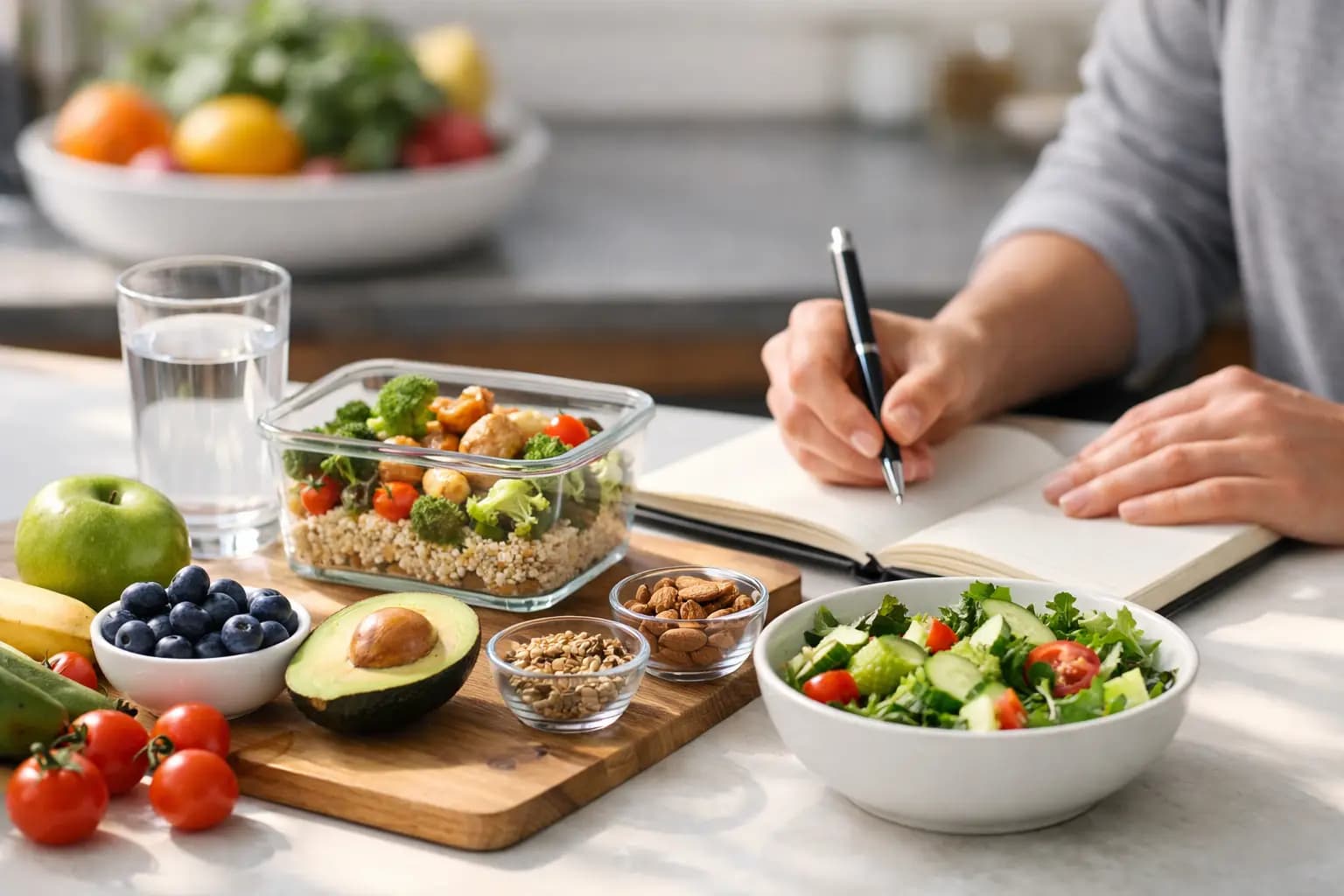
You do not need to obsess over every gram of food, but a little tracking can reveal useful patterns. Notice when you tend to skip meals, when cravings hit, and which foods keep you satisfied longest. Pay attention to whether your current routine supports your goal or just sounds healthy on paper.
The point is not perfection. The point is learning what genuinely works for your body and schedule.
Improving your nutrition routine is rarely about one dramatic change. It is about making the next meal easier to get right, then doing that again tomorrow. Start with one habit you can keep, build from there, and let consistency do the heavy lifting.