The tell is always the same. Someone runs me through their week — two gym sessions, a class on Thursday, a long walk on Saturday — and when I ask what the days in between look like, the answer comes with a shrug. “Nothing much. Rest day.”
I understand the instinct completely. A rest day feels like a gap, and gaps do not seem to require anything. But the quiet days are not a pause in what you are doing; they are part of it. Whatever benefit you are hoping to get from the sessions is built in the hours between them, and those hours still ask for food, fluid, sleep and a bit of consistency. So rather than write another piece about training, I want to give you the checklist I actually use when someone asks me what a rest day should look like.
First, what the quiet days are doing
Nothing dramatic, and that is rather the point. After activity your body is doing ordinary maintenance work — muscle tissue is repaired and rebuilt, fluid balance is restored, energy stores are topped up. It is unglamorous housekeeping, spread over a day or two, and it happens whether you pay attention to it or not.
What you can influence is the raw material available while it happens. That is the whole of it. Not a special recovery protocol, not a window you have to hit to the minute — just whether the nutrients involved are reliably there on the days when nothing is scheduled to remind you.
The rest-day checklist
Five things, in the order they tend to get missed.
- Protein, spread across the day rather than stacked into one meal. Protein contributes to the maintenance and growth of muscle mass, and rest days are precisely when that matters. The common mistake is eating well around a workout and then, on a day with no workout, letting protein drift to whatever happens to be on the plate.
- Fluids, still. Hydration does not clock off because you are not sweating. A quiet day with a normal amount of tea and not much water is a surprisingly easy way to end the day behind.
- Sleep, treated as part of the plan. It is the least negotiable item on this list and the one most often traded away for an extra episode. Nothing in a tub compensates for a fortnight of short nights.
- Some gentle movement. A walk, some stretching, a slow cycle to the shops. Not training — just not being completely still, which most people find helps them feel readier for the next session.
- The daily nutrition baseline. Magnesium contributes to the reduction of tiredness and fatigue and to normal muscle function; vitamin D contributes to normal muscle function too. These are everyday nutrients doing everyday work, and they do it on the basis of being there most days rather than on the basis of being taken enthusiastically after a hard session.
You will notice that only the last one involves buying anything. That is deliberate. If the first four are not in place, no supplement is going to carry the day for you.
Where rest-day routines quietly fall over
Here is the part I find genuinely interesting, because it is a behaviour problem dressed up as a nutrition problem. Training days come with built-in cues — the kit bag, the shake afterwards, the shower. Rest days have none of that scaffolding, which is exactly why they are where a routine starts to fray. Nobody abandons their supplements on a rest day as a decision. They simply do not get prompted, and then it happens again the following week.
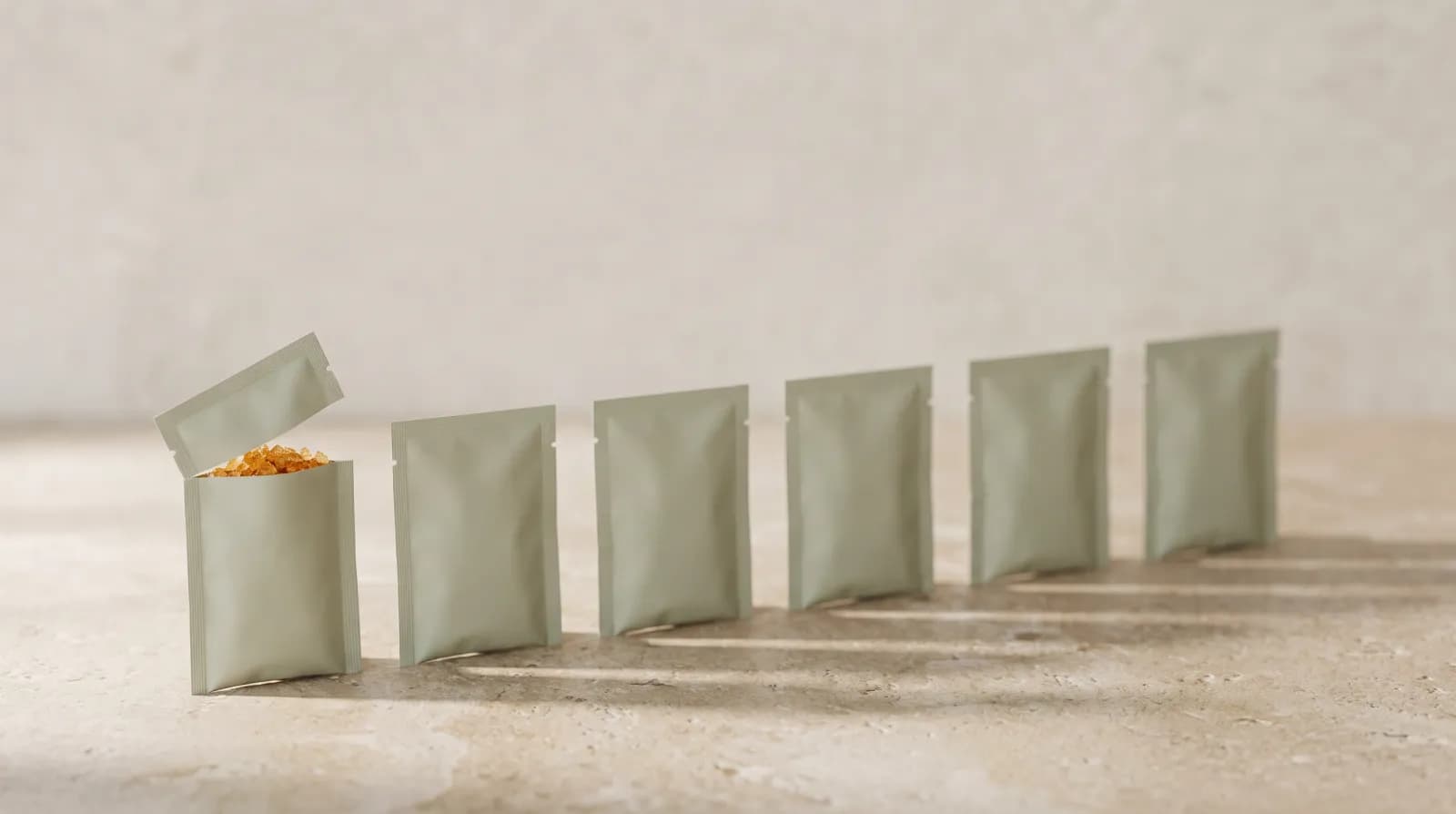
A routine made of four separate tubs is especially vulnerable to this, because on a day with no structure attached to it you are relying on memory four times over. This is why I so often end up suggesting Bioniq GO to people whose weeks swing between busy and empty. One sachet of granules, once a day, is a routine that survives a day with nothing in the diary — and surviving the empty days is most of the battle.
Why the personalised version suits this
The other half of it is relevance. If your week involves real physical activity, what you want supporting it is not a generic multivitamin chosen off a shelf. Bioniq starts with a free online Wellness Assessment — no blood test required — and matches your answers to one of forty formulas, with up to 23 science-backed nutrients in a single daily dose. The granules are made in Switzerland, there are no pills to swallow, and the formulas are vegan-friendly. You can take the free Wellness Assessment in a few minutes and see what it suggests for the way you actually live. Bioniq was founded in London in 2019, and its core personalised nutrition business is now part of Herbalife.
Alongside that, for the days you are training rather than recovering, the energy and fitness range is where I point people looking for something around their sessions. And if your pattern is a desk-bound week followed by a burst of activity, I have written separately about an active weekend after a week behind a desk, which covers that rhythm in more detail.
Food supplements are not a substitute for a varied, balanced diet and a healthy lifestyle. The checklist above works as part of a balanced diet and an active lifestyle, and it works best when it is dull enough to keep doing.
If your rest days keep slipping and you would like a single, considered daily step to hold them together, build your personalised formula with Bioniq GO and start with the free assessment.