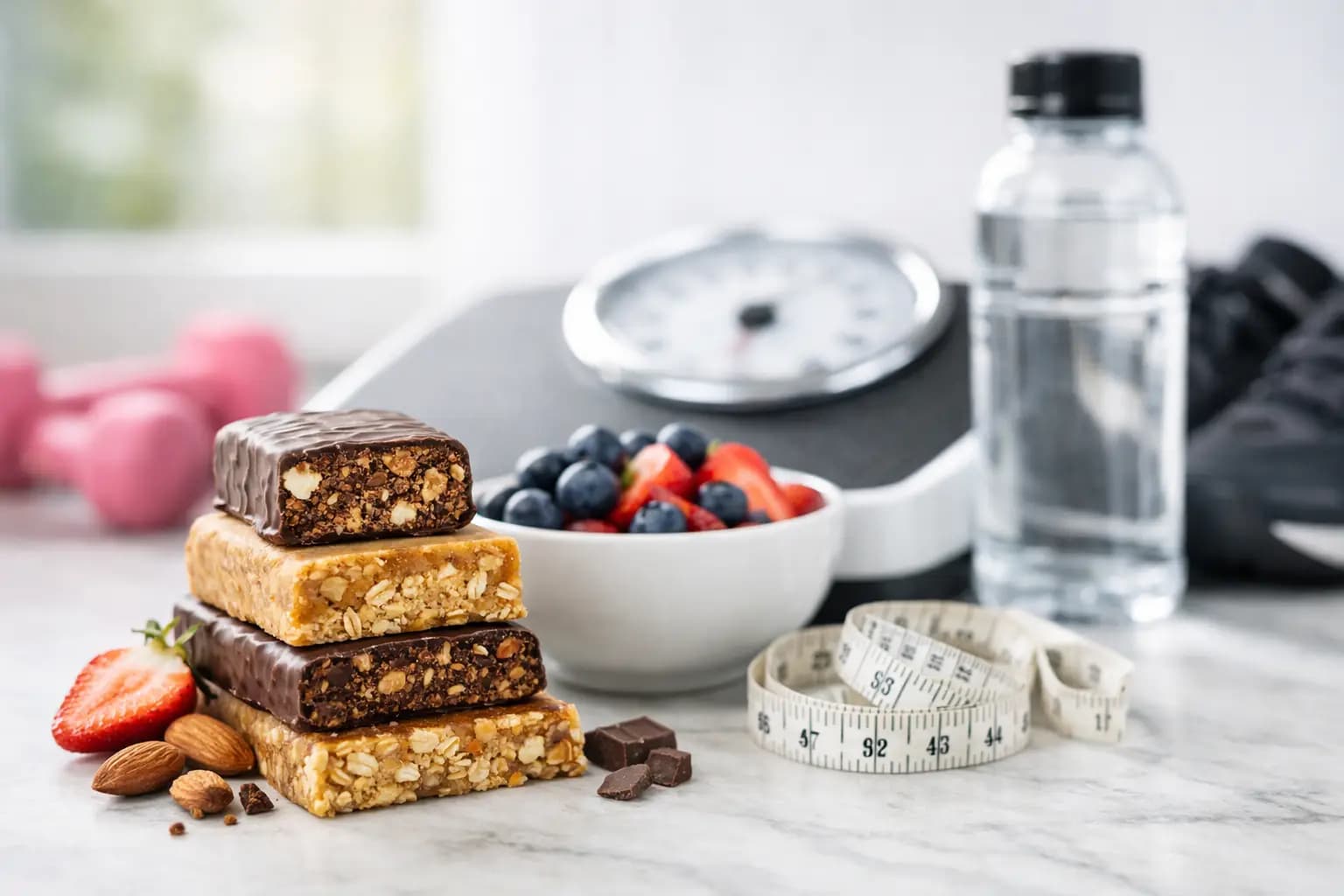
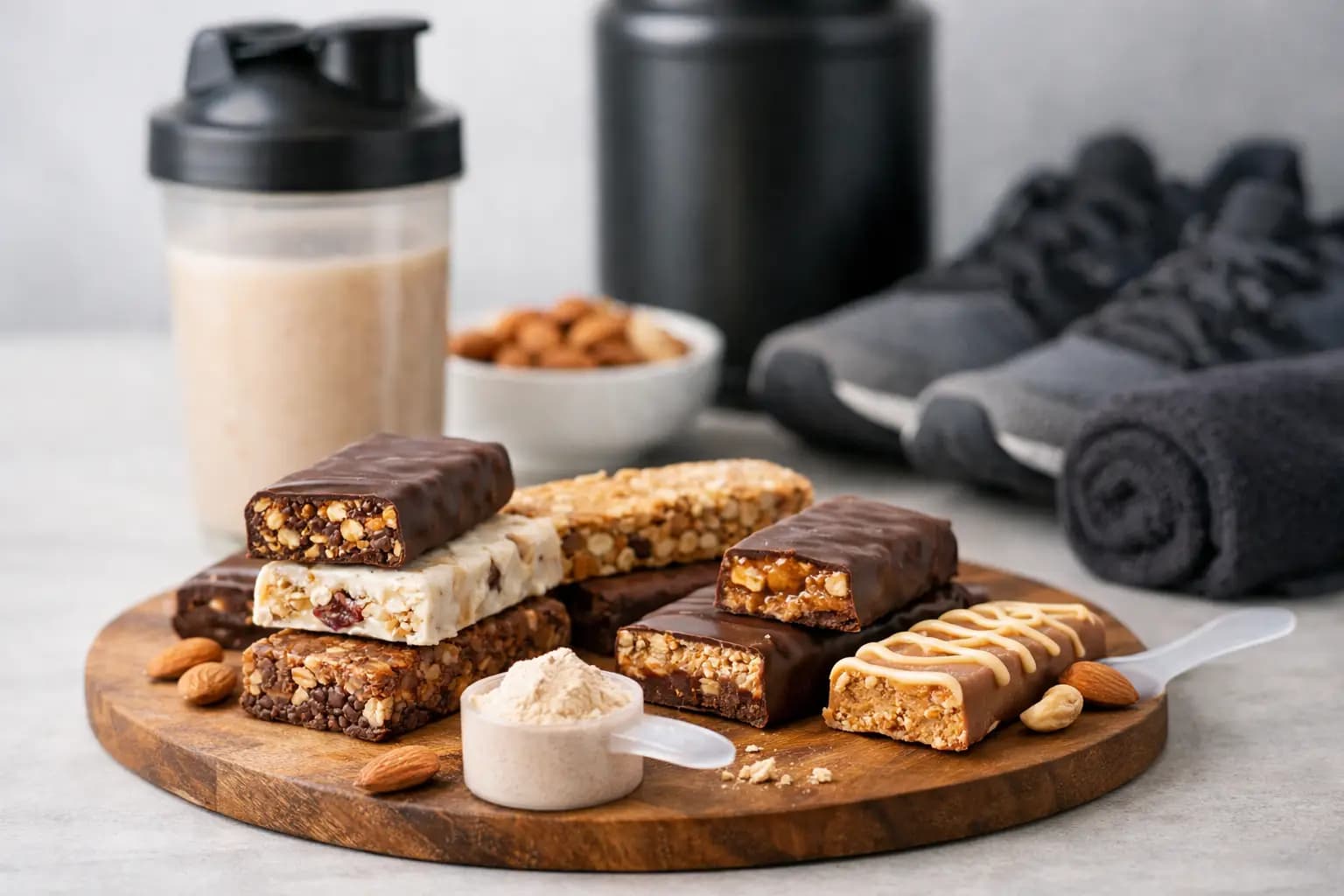
A protein bar can rescue a busy afternoon or quietly derail your progress. That is why learning how to use protein bars wisely matters so much. If your goal is fat loss, better routine, improved recovery, or simply fewer poor food choices on hectic days, a protein bar works best as a tool - not a free pass to snack without thinking.
Used properly, protein bars can help you stay consistent when meetings run late, the school run takes over, or you are travelling and proper food is not easy to find. Used carelessly, they can become an extra source of calories, sugar, and convenience eating that leaves you wondering why results have stalled. The difference is usually not the bar itself. It is how, when, and why you use it.
Why protein bars help in real life
Most people do not struggle because they have never heard of healthy eating. They struggle because real life gets in the way. Breakfast gets skipped, lunch is rushed, the gym sits between work and home, and by 4 pm the biscuit tin starts looking like a plan.
That is where protein bars earn their place. They are portable, portion-controlled, and easy to keep in a desk drawer, gym bag, or car. For people trying to manage weight or hit protein targets without overcomplicating their routine, that convenience can be the difference between staying on track and grabbing whatever is available.
Protein also tends to be more satisfying than a standard sugary snack, which may help you feel fuller for longer. That does not make every bar automatically a smart choice, but it does explain why they can fit well into a practical wellness routine.
How to use protein bars wisely for your goal
The first question is not which flavour you fancy. It is what job the bar is doing.
If you are aiming for weight management, a protein bar is usually best used as a planned snack or as part of a controlled routine, not as an add-on because you felt peckish. In this case, the bar helps stop you drifting into pastries, crisps, or vending machine choices that offer less protein and less staying power.
If your goal is fitness performance or recovery, the timing may look different. A bar can be useful after training when you need something practical before your next proper meal. It can also work before exercise if you have left too long between meals and need a convenient option that will not leave you feeling heavy.
If your main challenge is consistency, then the bar is there to protect your routine. It is not glamorous, but that is often the point. A simple, reliable choice beats a perfect plan you never follow.
A protein bar is not the same as a chocolate bar with a health label
This is where people often get caught out. Not every protein bar deserves a halo. Some are well-balanced and genuinely useful. Others are closer to confectionery with added protein.
Start by checking the nutrition panel rather than the marketing on the front. A sensible bar should offer a meaningful amount of protein for the calories you are spending. It should also fit the role you want it to play. A post-workout option may be different from a mid-morning snack for someone focused on fat loss.
Sugar content matters, but context matters too. A slightly higher sugar bar might still have a place around exercise or when you need quick practicality. For everyday use, though, many people do better with a bar that keeps sugar more controlled and offers a better overall balance.
It is also worth looking at fibre and total calories. A bar that seems healthy can still be surprisingly energy-dense. That is not automatically bad, but it does mean you should count it as real food, not a nutritional loophole.
The best times to use protein bars
Protein bars are most helpful when they solve a clear problem.
One of the best times is between meals when you know there will be a long gap and you want to avoid impulsive snacking later. In that situation, a bar can steady your hunger and make it easier to choose a sensible evening meal.
Another smart use is after exercise when you are out and about and cannot get to a proper meal straight away. The convenience matters here. A decent option in your gym bag is far better than telling yourself you will eat later, then ending up ravenous and grabbing the first high-calorie snack you see.
They also work well while travelling, during long workdays, or on family days out when food options are unpredictable. This is where planning wins. If you have a reliable bar with you, you are less likely to make choices based purely on desperation.
When protein bars are not the best option
Even a good product can be overused. If you are eating multiple protein bars every day because they feel easier than preparing meals, it may be time to step back.
Whole foods still matter. Proper meals give you more volume, more variety, and often a better mix of vitamins, minerals, and fibre. Bars are convenient, but they should support your eating pattern rather than replace it completely.
It is also worth being honest about emotional eating. If you find yourself reaching for a protein bar every evening because you want a treat, that is different from using one strategically. There is nothing wrong with enjoying the taste, but if the habit is automatic rather than intentional, it can still slow progress.
Portion control still counts
One of the biggest mistakes people make is treating protein bars as if they do not count because they are linked to fitness. They absolutely count.
A bar may be portion-controlled compared with sharing snacks or grazing from a multipack, and that is one of its strengths. But portion-controlled does not mean unlimited. If you have already eaten enough for the day, adding a bar on top can still push you beyond your target.
This matters most for weight loss. The bar should replace a weaker choice or fit into your plan, not sit beside your usual snacks, coffees, and extras. Think substitution, not addition.
How to fit protein bars into a simple routine
The easiest way to use protein bars wisely is to decide in advance where they belong. Keep one for emergencies at work. Keep one in your bag for travel days. Use one after training if your next meal is delayed. Build the habit around known pressure points instead of relying on willpower when hunger hits.
That small bit of structure can make a huge difference. It removes guesswork and keeps convenience working for you rather than against you.
Many people do well with a very simple rule: one bar only when it solves a genuine problem. That might be a missed meal, a long gap between meals, or a recovery window after exercise. Once you have a rule, it becomes much easier to avoid random use.
For customers who prefer a more guided approach, this is often where a broader routine helps. A protein bar makes more sense when it sits alongside balanced meals, meal replacement shakes where appropriate, hydration, and realistic support. That is one reason people choose HL Shop UK - not just for fast delivery and strong offers, but for products that fit into a clearer plan.
Choosing wisely means being honest about your habits
The most effective nutrition habits are usually the least dramatic. You do not need to ban protein bars or eat them every day to prove commitment. You just need to use them with purpose.
Ask yourself a few plain questions. Am I hungry, or just bored? Is this replacing a poorer choice, or adding extra calories? Am I using this because it suits my goal, or because the wrapper says high protein and that feels safe?
Those answers tell you more than any front-of-pack claim. They also help you avoid the all-or-nothing mindset that trips people up. A protein bar is neither miracle food nor mistake. It is simply useful when chosen well and used at the right time.
Progress often comes from these small, repeatable decisions. Keep the bar for the moments when convenience protects your plan, not when convenience becomes the plan itself. That is usually where better results start to feel a lot more achievable.