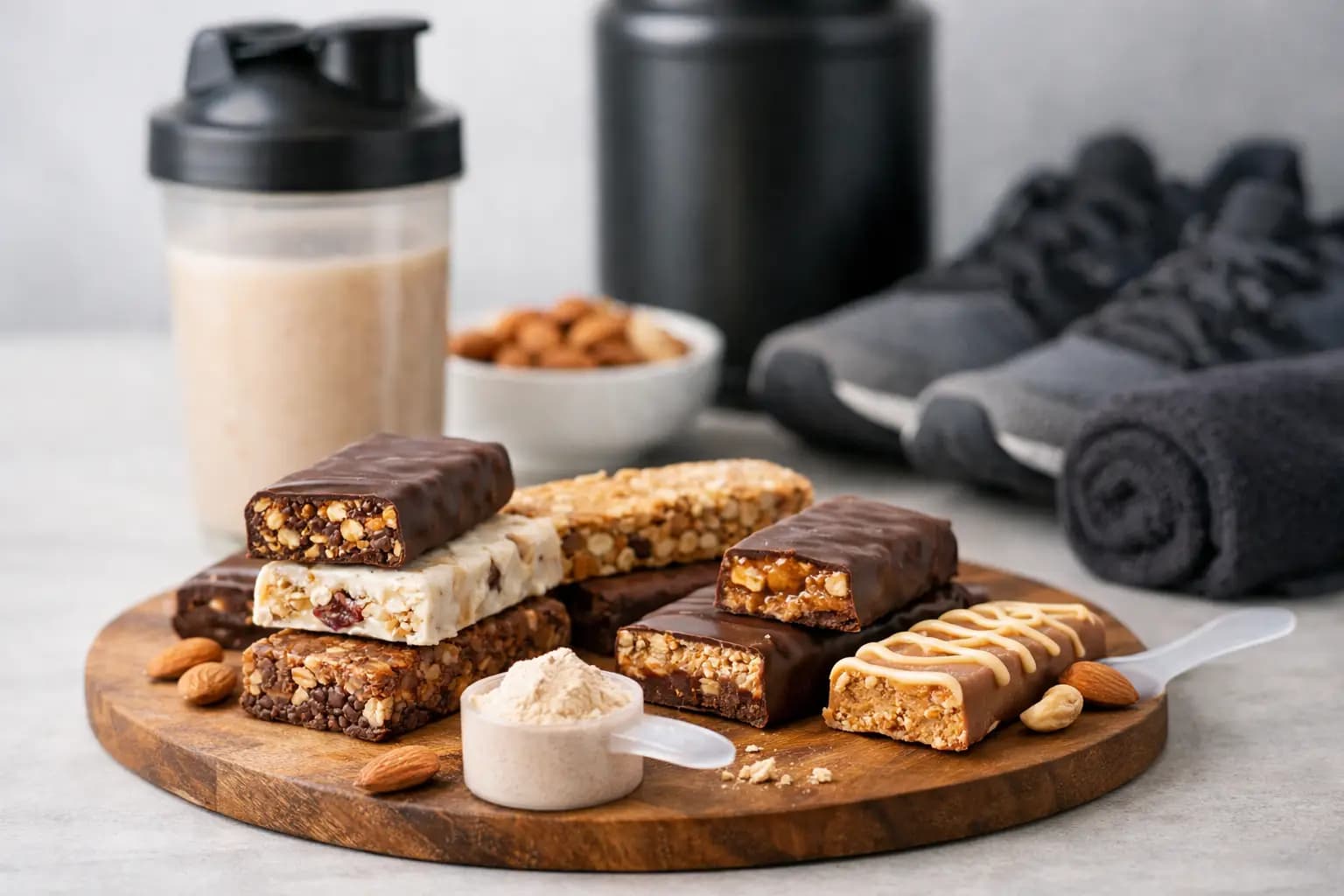
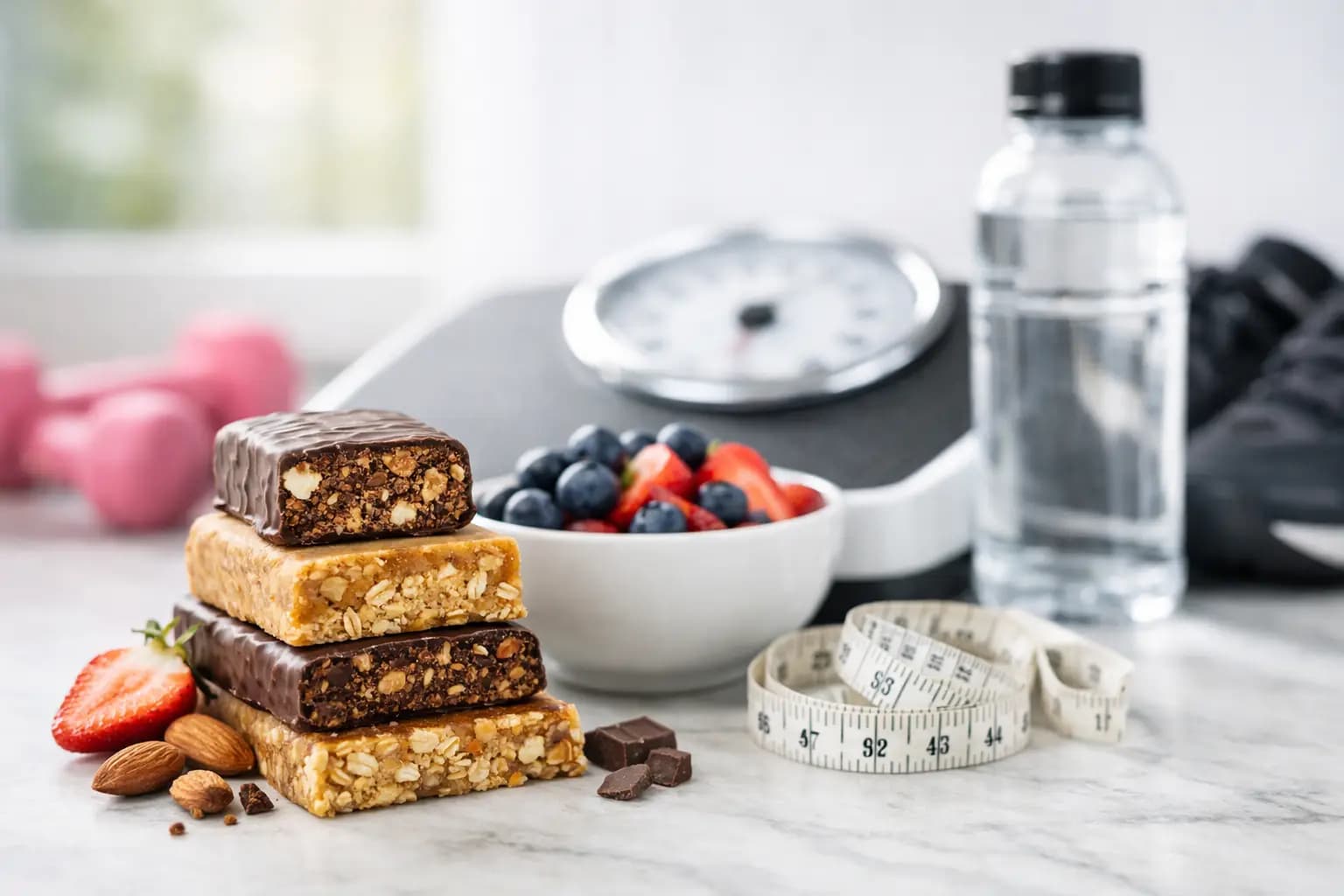
It’s one of the most searched questions in the snack aisle: can protein bars help weight loss? The honest answer is that no bar, however cleverly formulated, does the work on its own. Weight management comes down to the boring fundamentals — a sensible, balanced diet, regular movement, decent sleep — and no wrapper changes that. But within that bigger picture, a good protein bar can be a genuinely useful tool. The trick is understanding what it can do for you, and what it can’t.
What a protein bar can actually do
Protein has a proper job to play in a weight-management routine. It contributes to the growth and maintenance of muscle mass, which matters if you’re staying active — and if weight management is the goal, you should be. Just as usefully, a snack built around protein tends to feel like a full stop rather than an opening act. A handful of jelly sweets is gone in sixty seconds and mostly leaves you eyeing the rest of the bag; a protein bar feels more like a decision that’s been made. That difference, repeated every afternoon for months, is where bars quietly earn their keep.
The wrapper is doing half the work
Here’s the underrated part: a bar is a fixed portion. Nobody accidentally eats a third of a protein bar more than they meant to, because the serving size was settled at the factory. Compare that with an open packet of biscuits, where the stopping point is a matter of willpower at exactly the hour of the day when willpower is at its lowest. A Protein Bar is one wrapper, one decision, done — sweet enough to feel like a treat, with protein built in, and nothing left sitting open on the desk afterwards. For weight management, that built-in full stop is worth more than any amount of good intentions.
Where bars go wrong
The mistake is treating “protein” as a synonym for “free pass”. A protein bar still has calories, and three of them stacked on top of your normal meals is just extra eating with better branding. A few ground rules keep things honest:
- A bar replaces a snack, it doesn’t join one. If it’s eaten alongside your usual chocolate bar, nothing has improved.
- One is the serving. The portion control only works if you let it.
- Check it fits your day. A bar is part of your overall intake, not a bonus round.
- Match the craving. If what you actually want is crunchy and savoury, a 30 g bag of Protein Chips will scratch that itch better than forcing a sweet bar on it.
When the snack is really a missed meal
Sometimes the 4pm rummage through the cupboard isn’t a snack craving at all — it’s a skipped lunch presenting itself two hours late. Grazing your way through the afternoon to cover for a missing meal is where a surprising number of extra calories hide. For those days, a Formula 1 Express Healthy Meal Bar in dark chocolate is the tidier answer: a balanced meal in bar form, so one proper stop replaces three vague ones. Knowing which situation you’re in — snack or missed meal — is half the battle.
So, can they help?
As part of a balanced diet and an active lifestyle, yes — a protein bar can support a weight-management routine by making the in-between hours more predictable: a fixed portion, protein on board, and one decision instead of ten. What it can’t do is compensate for a diet that isn’t working elsewhere. Use it as the tidy answer to the afternoon slump, not as the plan itself. If you’d like to stock the drawer properly, have a browse through our Protein Snacks collection and pick the options that fit your week.
Food supplements are not a substitute for a varied, balanced diet and a healthy lifestyle.