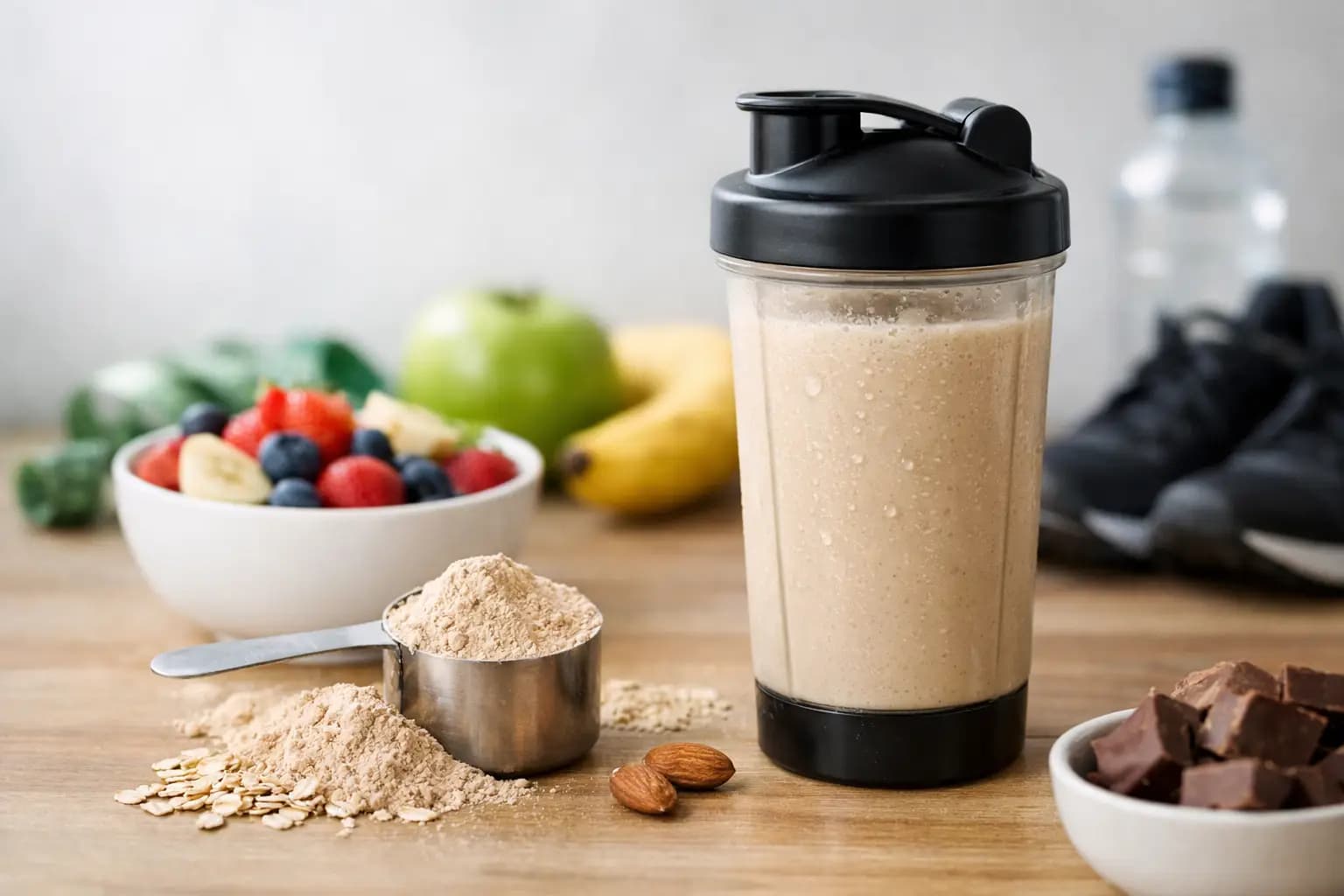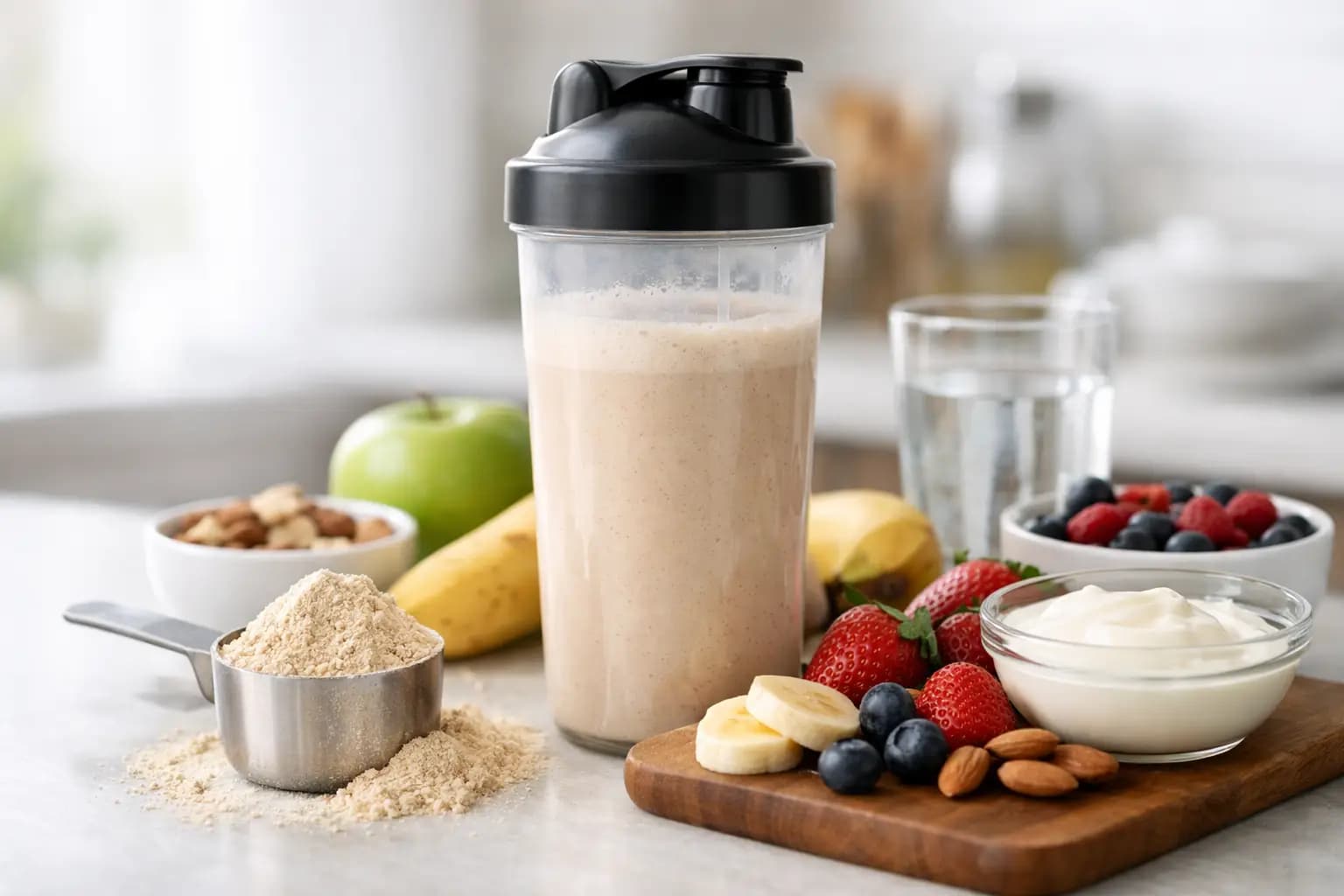
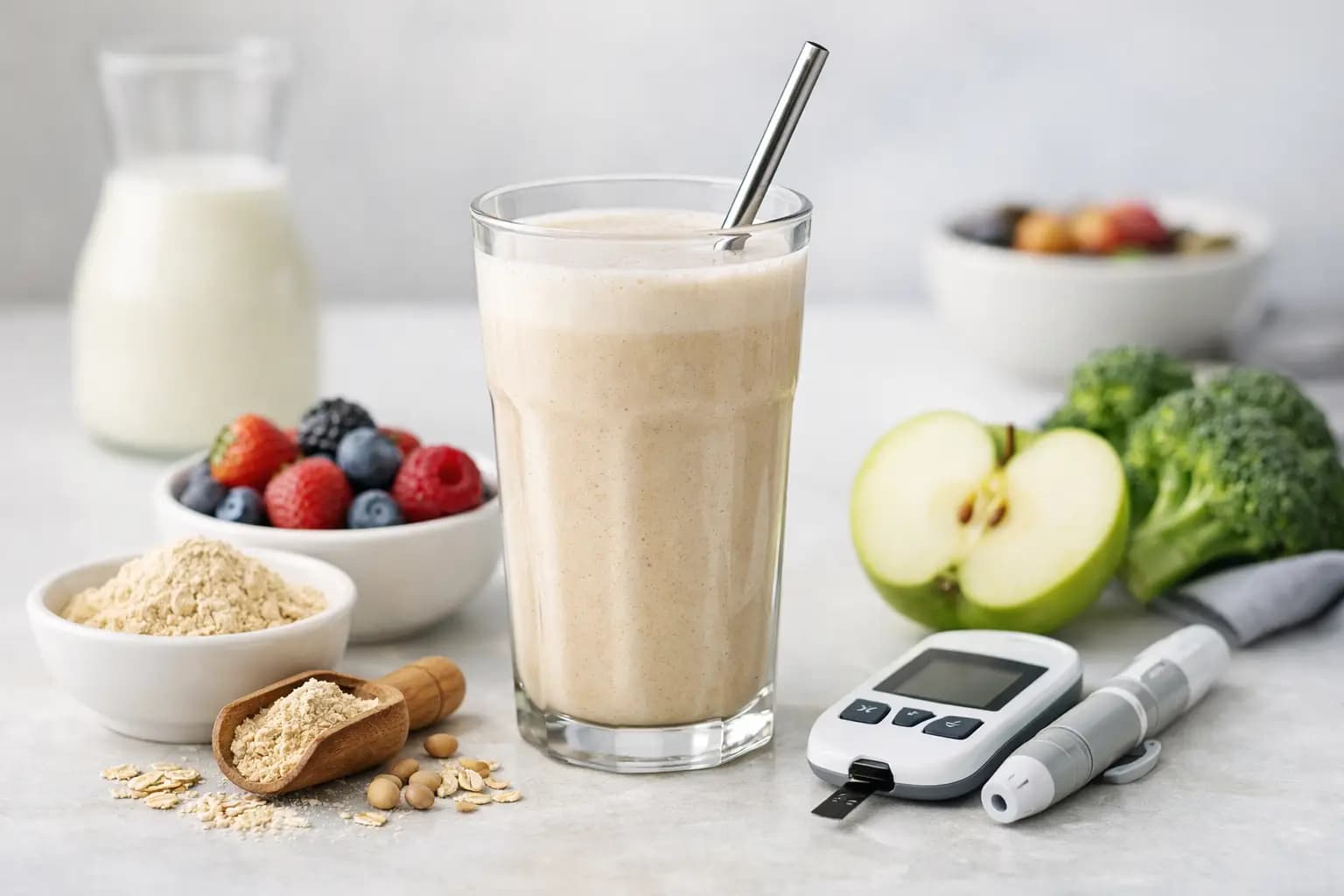
A shake can look like the easiest answer on a hectic morning, then turn into a blood sugar headache by 11am if the formula is wrong. That is why meal replacement shakes for diabetics need a closer look than standard slimming shakes or high-calorie sports drinks. Convenience matters, but blood glucose response, protein content, fibre, and overall meal balance matter more.
For many people, the real appeal is not just speed. It is consistency. When breakfast gets skipped or lunch becomes a grab-and-go pastry, a properly chosen shake can offer more predictable nutrition and better portion control. That can be helpful for adults trying to manage weight, avoid energy dips, and keep meals structured without overcomplicating the day.
Are meal replacement shakes for diabetics a good idea?
Sometimes yes, sometimes no. The answer depends on the person, the shake, and how it is being used.
A meal replacement shake can be useful if you struggle with regular mealtimes, tend to overeat when you get too hungry, or want a simpler way to manage calories and macronutrients. For some people with diabetes, especially those focused on weight management, this kind of structure can make daily choices easier and less stressful.
But not every shake is suitable. Many products sold as healthy are packed with sugar, low in fibre, and too light on protein to keep you full. That combination may lead to a quick rise in blood glucose followed by hunger soon after. A shake only works well when it behaves like a balanced meal, not a sweet snack in disguise.
It also depends on whether the shake is replacing a meal occasionally or becoming part of a longer routine. Using one shake a day as a practical breakfast is very different from relying on shakes for most meals. The more often you use them, the more important overall nutritional quality becomes.
What to look for in a diabetic-friendly shake
The label tells the story. Start with the carbohydrate content, but do not stop there. Looking at carbs alone can be misleading because the source of those carbs, along with the protein and fibre in the shake, affects how satisfying and steady it feels.
A better option will usually contain a solid amount of protein, a moderate carbohydrate level, and some fibre. Protein helps with fullness and can slow the speed at which a meal affects blood sugar. Fibre can do the same while supporting digestive health and making the shake feel more like an actual meal.
Low added sugar is another obvious win. If the first impression is sweetness and the nutrition panel reflects that, it may not be the best choice for someone trying to keep blood glucose more stable. Sweet taste is not always a problem, but heavy sugar loads usually are.
Calories matter too. A meal replacement needs enough energy to count as a meal, but not so much that it quietly turns into the calorie equivalent of two. That balance will vary depending on your size, goals, and activity level. Someone aiming for fat loss may want a leaner formula than someone trying to maintain weight while improving meal quality.
Ingredients matter more than marketing
Words like natural, wellness, balanced, and nutritious sound reassuring, but they do not guarantee a good fit. Some products market themselves brilliantly while offering little more than flavoured milk powder with added vitamins.
Look past the front of the tub or bottle. Check how much protein is actually included per serving. See whether fibre is present in a meaningful amount. Notice whether the shake needs to be made with water, milk, or another base, because that changes the nutritional profile straight away.
This is where personalised support can make a real difference. If you are building a routine rather than buying a random product once, it helps to have guidance around which shake fits your goals, how to prepare it, and whether you need to add anything to make it more suitable for your day.
When a shake can work well
A good shake can be especially practical at breakfast. Many people with diabetes find mornings difficult because appetite is low, time is tight, and convenient choices are often carb-heavy. Toast, cereal, pastries, and takeaway coffee drinks can all push blood sugar in the wrong direction. A balanced shake may offer a more measured start.
Lunch is another common use. If workdays are unpredictable and you end up skipping meals or buying whatever is nearest, a ready plan can help you stay more consistent. That consistency is often what people are really paying for. Not just the powder or bottle, but fewer poor decisions when life gets busy.
Post-exercise can also be a useful slot, though this depends on the person and the type of training. Some active adults want a meal replacement that supports both recovery and weight control. In that case, the protein content becomes even more important, and the carbohydrate level needs to make sense for the activity involved.
When a shake may not be the best option
If you are using insulin or glucose-lowering medication, meal timing and carbohydrate intake may need closer attention. A shake that seems healthy on paper can still be unsuitable if it does not align with your treatment plan.
It may also be a poor fit if liquid meals leave you hungry. Some people simply do better with chewing, more texture, and the slower pace of a plated meal. If a shake leaves you searching the cupboard an hour later, it is not doing the job.
There is also the question of variety. Whole foods bring different textures, micronutrients, and satisfaction that shakes cannot fully replicate. A meal replacement can support a routine, but it should not automatically replace the value of balanced, whole-food meals across the board.
How to use meal replacement shakes for diabetics more wisely
The smartest approach is to use shakes with intention. Replacing a chaotic meal with a balanced shake is one thing. Adding a shake on top of your usual meals because it feels healthy is another.
Pay attention to what happens after drinking it. Are you full for a reasonable amount of time? Do you feel steady, or do you crash and crave sugar? If you monitor your blood glucose, that feedback can be especially useful in judging whether a shake suits you.
Preparation matters as well. If you start with a sensible powder and then blend it with sugary juice, syrups, nut butters, and extra fruit, the final drink may be far less diabetic-friendly than intended. A simple mix is often the better choice.
Some people also benefit from pairing a shake with something small rather than expecting the drink to do all the work. That could mean adjusting the meal structure based on your hunger, energy needs, and guidance from a healthcare professional.
Weight management and blood sugar support
There is a reason shakes are popular in weight management. They remove guesswork. For people who tend to underestimate portions or rely on convenience foods, that can be a real advantage.
For diabetics, weight management may also support better blood glucose control over time, depending on the individual. That does not mean every shake is automatically helpful, and it certainly does not mean quick fixes work. What helps is a steady routine you can actually stick to.
A product-led approach can be useful here when it stays realistic. You want something easy to prepare, pleasant enough to drink regularly, and consistent enough to fit around real life. Fast delivery, reliable stock, and guidance on choosing the right option are not small extras. They are often what keeps a healthy plan going beyond the first week.
Choosing a routine you can maintain
The best shake is not necessarily the one with the flashiest label or the longest ingredient list. It is the one that fits your goals, works with your appetite, and supports better choices when life gets busy.
If you are considering a structured nutrition plan, keep it practical. Focus on protein, fibre, sensible carbohydrate levels, and realistic daily use. If you already know that rushed mornings or missed lunches throw you off track, a well-chosen shake can be a smart part of the answer.
At HL Shop UK, that is exactly where supportive guidance matters. The right product is helpful, but the right routine is what changes results.
If you are thinking about trying meal replacements, do not chase perfection. Choose a balanced option, use it consistently, and pay attention to how your body responds. Small improvements you can keep up with usually beat the perfect plan you abandon by Friday.