
⭐FAST DELIVERY AND 24/7 ASSISTANCE⭐FREE SHIPPING ON PURCHASES OVER £ 69⭐

🎁UNBEATABLE DISCOUNTS ONLY AT OUR ONLINE STORE🎁

Sports Nutrition for Gym Beginners Made Simple

25 June 2026

Sports Nutrition for Gym Beginners Made Simple

You do not need a cupboard full of tubs and powders to make a good start at the gym. What you do need is a plan you can stick to on busy weekdays, tired evenings and those moments when motivation drops. That is where sports nutrition for gym beginners often gets overcomplicated. The basics matter more than the flashy extras, especially when your main goal is to feel better, train consistently and start seeing progress.

For most beginners, nutrition is not about eating perfectly. It is about giving your body enough fuel to train, enough protein to recover and enough structure to stop random snacking from taking over. If your meals are inconsistent, your energy will feel inconsistent too. If your recovery is poor, your gym routine usually slips soon after.

What sports nutrition for gym beginners actually means

At the beginner stage, sports nutrition is simply everyday eating with a purpose. You are matching your food and drink choices to your training and your goal. That goal might be fat loss, building a bit of muscle, improving energy or just feeling less wiped out after workouts.

This matters because the gym only provides the training stimulus. Your meals, snacks and hydration help determine how well you respond to it. If you are under-eating, skipping protein and training on little more than caffeine, you may still turn up - but you are making progress harder than it needs to be.

There is also a difference between useful support and unnecessary complexity. A beginner does not need a bodybuilder meal plan. You need a manageable routine that fits work, family life and your budget. Convenience counts. If your nutrition plan is too strict or too expensive, you are less likely to keep it going.

Start with your main goal

Before buying anything, get clear on what you want your nutrition to do. If you are trying to lose body fat, your plan should help control calories while keeping you full and supporting recovery. If your goal is building muscle, you will need enough total food and consistent protein. If you simply want more energy and better habits, focus on regular meals and fewer gaps where hunger leads to poor choices.

This is where many beginners go wrong. They start using sports products without changing the routine around them. A protein shake cannot fix skipped meals, poor sleep or a weekend of excess. But used properly, it can make your plan far easier to follow.

Protein is the first thing to get right

If there is one area of sports nutrition for gym beginners worth prioritising, it is protein. Protein helps support muscle repair after training, helps you stay fuller for longer and makes it easier to hold onto lean mass if you are losing weight.

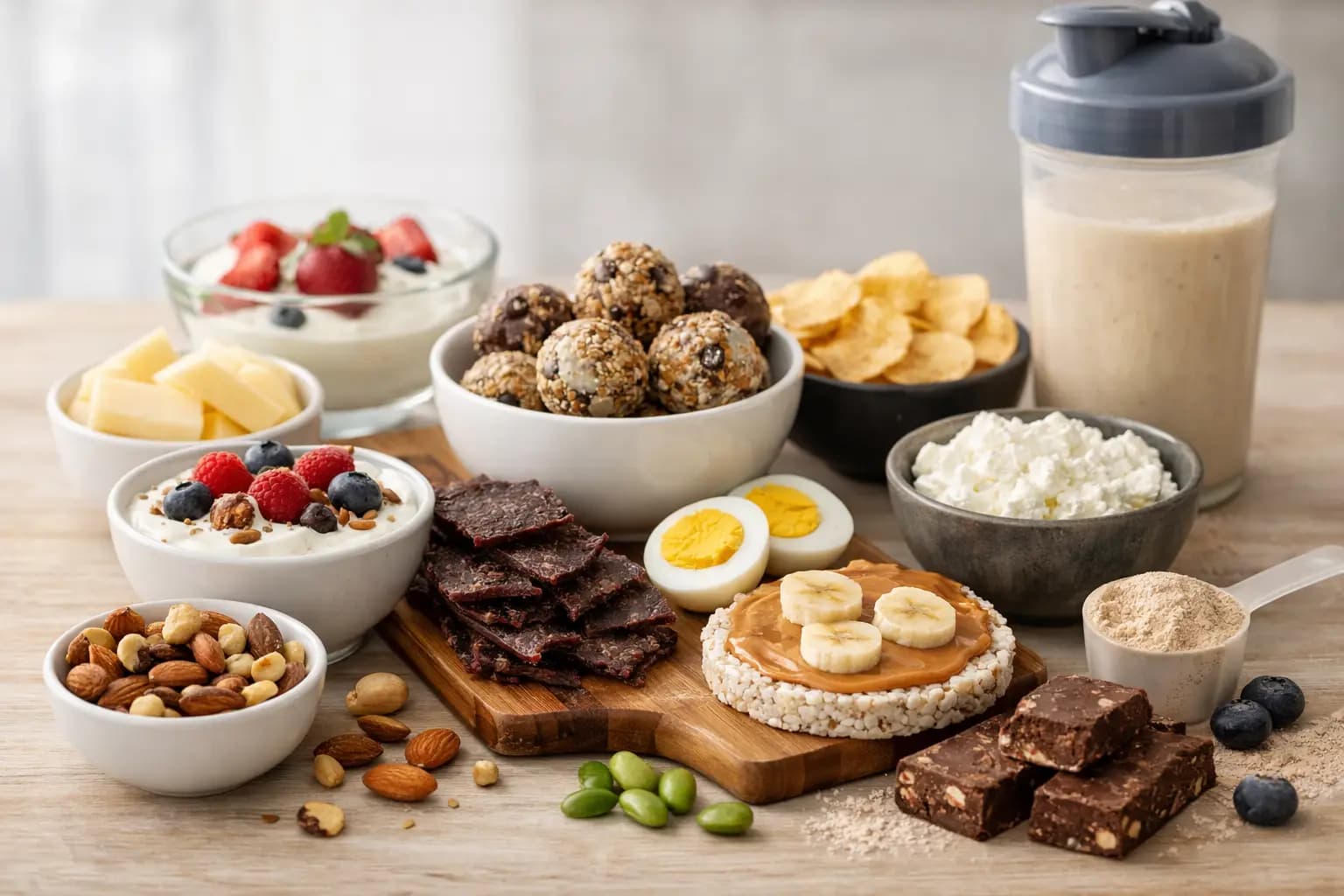
You do not need to chase extreme numbers. Most beginners simply benefit from including a source of protein at each meal and after training when it suits them. That might come from chicken, fish, eggs, Greek yoghurt, cottage cheese or a convenient protein-based shake or snack.

The reason shakes are popular is not because whole food is bad. It is because real life gets busy. If you finish a session, commute home and then have to sort dinner an hour later, a quick protein option can bridge the gap and stop you reaching for whatever is easiest. For many people, convenience is the difference between staying on track and drifting off plan.

Carbs are not the enemy

Beginners often cut carbohydrates too early because they think that is the fast route to a leaner look. Sometimes it works for a short period, but it can also leave you flat in the gym, more hungry later on and less likely to stick with your routine.

Carbohydrates are your most accessible training fuel. If you are doing resistance training, circuits, classes or even brisk cardio after work, your body uses carbs to help you perform. Good options include oats, rice, potatoes, wholegrain wraps, fruit and other simple staples you can build into normal meals.

The trade-off is that you do not need huge portions if your activity level is still fairly low. A beginner doing three gym sessions a week has different needs from someone training hard six days a week. The answer is not zero carbs. It is the right amount for your routine and your goal.

Fats still matter

Trying to eat clean can sometimes turn into eating too little fat. That is not ideal either. Healthy fats support general wellbeing, hormone function and meal satisfaction. Foods like nuts, seeds, olive oil, avocado and oily fish can all have a place.

The key is portion control. Fats are calorie-dense, so they are useful but easy to overdo if fat loss is your goal. A balanced plate tends to work better than swinging between extremes.

Hydration affects more than you think

Low energy is not always about food. Sometimes it is simply poor hydration. If you arrive at the gym already behind on fluids, your workout can feel harder than it should. You may also confuse thirst with hunger later in the day.

Water should be your baseline. Most beginners do not need anything fancy for average sessions, but they do need consistency. Drink throughout the day, not just during your workout. If you sweat heavily or train in warm conditions, you may need to pay more attention, but the starting point is still straightforward - drink enough and make it a habit.

Timing helps, but consistency matters more

People new to training often worry about the perfect pre-workout and post-workout window. Timing can help, but it is not the first priority. Total daily intake matters more.

That said, training on no fuel at all is not ideal for many beginners. A light meal or snack before the gym can improve energy and focus. Something with carbs and a bit of protein usually works well, depending on how close it is to your session. After training, a balanced meal or a convenient protein-based option can support recovery and help you avoid overeating later.

If you train early and cannot face a full breakfast, keep it simple. If you train after work, plan ahead so hunger does not turn your workout into a takeaway detour afterwards.

Supplements can support, not replace, your routine

This is where beginners often feel overwhelmed. The supplement market loves bold claims. The truth is less dramatic. A few products can be useful, especially if they make it easier to hit your nutrition targets, but they are not magic.

Protein powders and meal replacement shakes are popular because they save time and make structure easier. For someone trying to manage calories, stay fuller and avoid skipped meals, they can be a practical tool. Protein bars and other convenient snacks can also help when you are out and about and need a better option than the nearest pastry or meal deal.

The important part is choosing products that suit your goal rather than buying everything at once. If your food intake is already erratic, a simple shake or protein option may be more valuable than any high-stimulant pre-workout. If weight management is your focus, structure and portion control often deliver better results than chasing advanced supplements.

For customers who want an easier route into a consistent routine, that is why a guided product approach can work so well. HL Shop UK focuses on practical nutrition support, convenient products, fast delivery and personal help from an authorised independent distributor, which can make starting feel less confusing.

A simple daily approach works best

A beginner-friendly sports nutrition routine does not need to look extreme. In most cases, three balanced meals and one or two planned snacks are enough to create structure. Build meals around protein, include sensible carbs around activity, add fruit or veg where you can and keep easy options available for busy times.

If fat loss is the priority, aim for consistency rather than restriction. If muscle gain is the priority, make sure you are not under-eating. If your main issue is falling off track, focus on repeatable meals you actually enjoy. The best plan is the one you can carry through a normal week, not just a highly motivated Monday.

Common beginner mistakes to avoid

One of the biggest mistakes is doing too much too quickly. Starting a gym routine, slashing calories and banning favourite foods all at once usually ends badly. Another is relying on weekend freedom to balance out weekday discipline. Progress comes from average habits, not one or two perfect days.

There is also the problem of comparing yourself with experienced lifters online. Their routines, portion sizes and supplement stacks are not your starting point. Your version of progress may simply be training three times a week, hitting your protein target more often and feeling less tired by the end of the day. That still counts, and it is often the foundation for better results later.

The good news is that sports nutrition for gym beginners does not need to be intimidating. Keep it practical, keep it consistent and give yourself a routine that fits real life. When your nutrition feels manageable, your training starts to feel that way too - and that is usually when progress becomes easier to sustain.

Shop genuine Herbalife products

Browse Best Sellers

Keep reading

Free UK Shipping over £69

30 Days Money Back Guarantee

Secure Payments

Comprehensive Free Assistance