⭐FAST DELIVERY AND 24/7 ASSISTANCE⭐FREE SHIPPING ON PURCHASES OVER £ 69⭐

🎁UNBEATABLE DISCOUNTS ONLY AT OUR ONLINE STORE🎁

Meal Replacement Trends 2026 to Watch

3 July 2026

Meal Replacement Trends 2026 to Watch

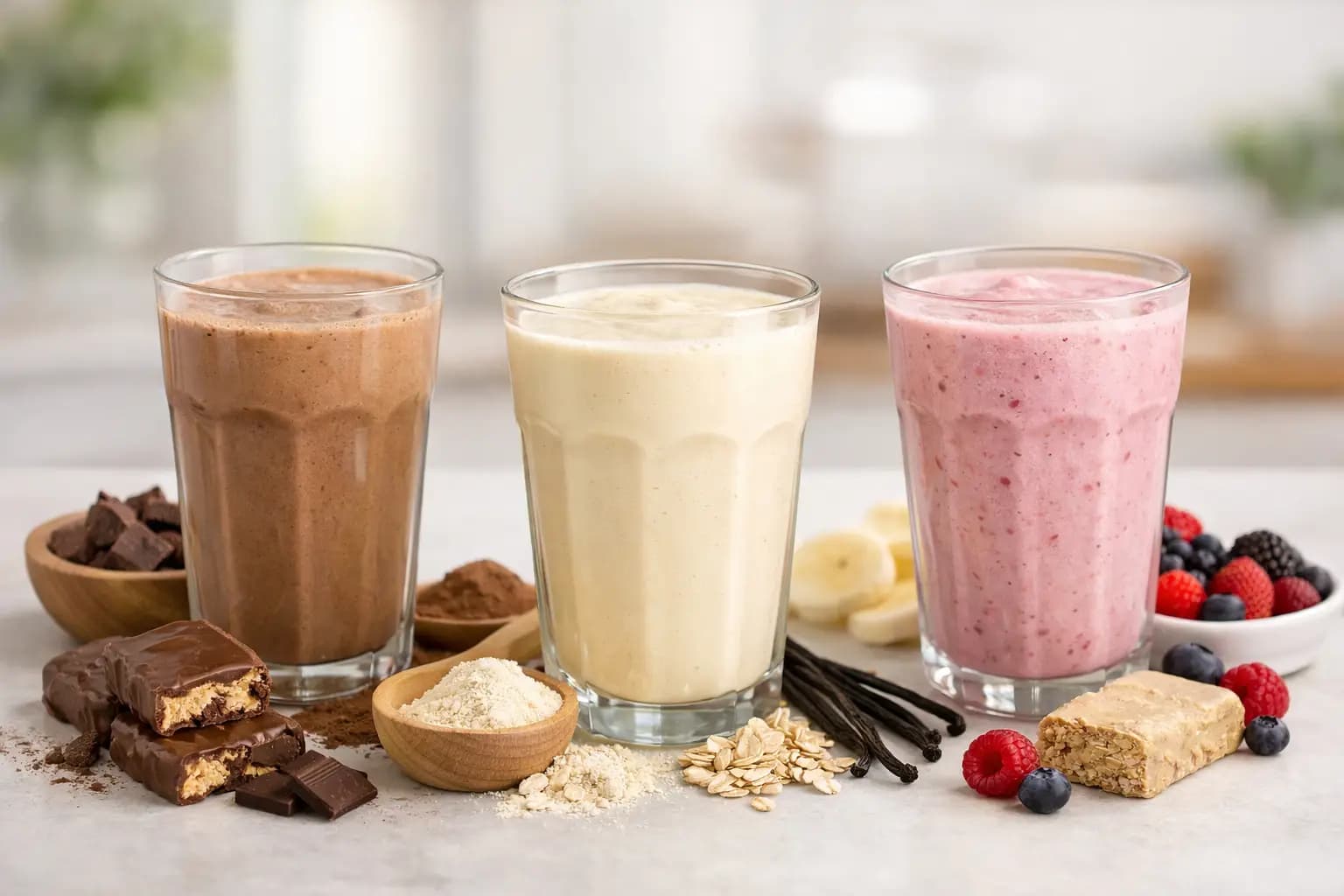
A meal replacement used to mean one thing - a quick shake when life got busy. That is changing fast. The big meal replacement trends 2026 will be shaped by people who want more from convenience: better protein quality, clearer nutrition, flexible weight-management support and products that fit real UK routines rather than ideal ones.

For anyone trying to lose weight, stay on track with calories or simply avoid another rushed lunch of crisps and a meal deal, this matters. The next wave is less about replacing food for the sake of it and more about making healthy choices easier to repeat. That is where long-term results usually come from.

What meal replacement trends 2026 really mean for UK shoppers

The market is moving away from one-size-fits-all products. Shoppers are getting more selective. They are comparing protein levels, fibre content, sugar, flavour range and how well a product supports their goals, whether that is fat loss, muscle maintenance, portion control or better daily structure.

In practice, that means meal replacements in 2026 are expected to feel more purposeful. A busy office worker may want a fast breakfast that actually keeps them full until lunch. A gym-goer may want a controlled-calorie shake with enough protein to support recovery. Someone restarting a weight-loss plan may want guidance, not just a tub on a shelf.

This is why support is becoming part of the product. For many people, sticking to a nutrition plan is not just about taste or price. It is about having a clear routine that feels manageable on a Monday morning and still manageable three weeks later.

Higher protein is becoming the baseline

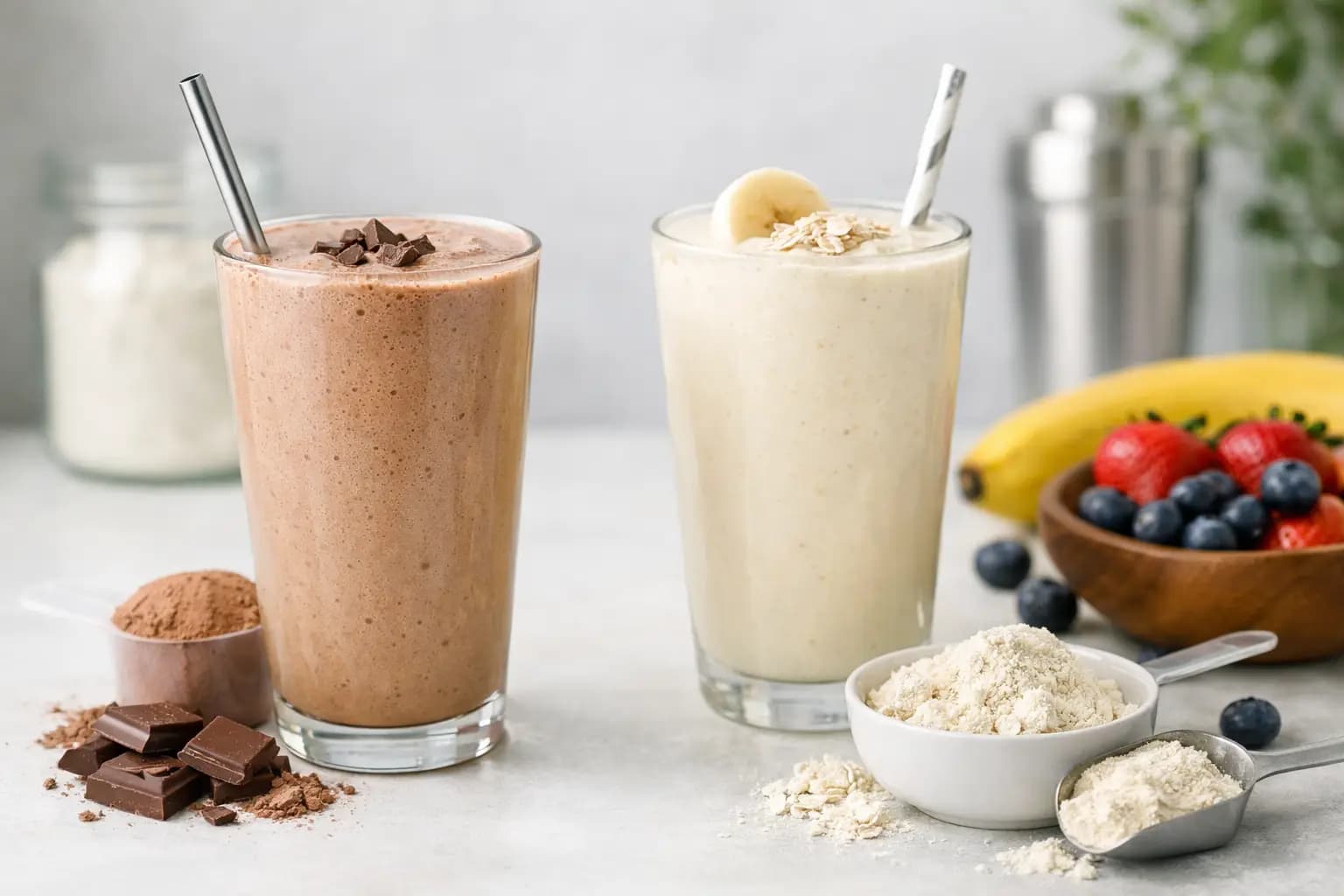
One of the clearest meal replacement trends 2026 is the shift towards stronger protein expectations. Customers no longer see protein as a bonus. They expect it.

That makes sense. Protein helps with fullness, and during weight loss it can also support muscle maintenance when used as part of a sensible diet and active lifestyle. For shoppers comparing products, a low-protein meal replacement can now feel dated, especially when there are better-balanced options available.

That does not mean the highest protein number always wins. Balance still matters. If a shake is high in protein but poor on taste, texture or convenience, people will not keep using it. The winning products are likely to be those that combine satisfying protein levels with vitamins, minerals and a flavour people genuinely enjoy drinking every day.

Convenience is staying, but it needs to feel smarter

Convenience has always been the reason many people first try a meal replacement. The difference now is that convenience alone is not enough. Shoppers want products that save time without making them feel they are settling for second best.

That is why ready-to-mix formats, simple routines and easy portion control will keep growing. People want breakfast sorted in under a minute. They want a reliable lunch option in the office. They want something they can take to the gym, keep at work or use at home without turning healthy eating into a full-time job.

The smarter part is this: convenience now has to support a goal. If a product makes calorie control easier, helps reduce random snacking and fits neatly into a weight-management plan, it becomes more valuable than a generic shake that simply fills a gap.

Taste and texture will decide repeat orders

Many people start with nutrition facts. They reorder because of taste.

In 2026, flavour is not a soft extra. It is central to compliance. If a meal replacement tastes chalky, overly sweet or artificial, it becomes hard to use consistently. Even a strong formula can lose out if drinking it feels like a chore.

This is where established favourites still have an advantage. Familiar flavours, smooth texture and easy mixing remove friction from the routine. That matters more than brands sometimes admit. Most customers do not want to feel they are being punished for trying to eat better. They want something satisfying enough that healthy choices feel realistic.

Variety will matter too. People get bored. Having more than one flavour on hand can help stop routine fatigue, especially for customers using meal replacements regularly as part of a structured plan.

Personalisation is moving from nice-to-have to expected

Another of the key meal replacement trends 2026 is personalisation. Not everyone wants the same product for the same reason.

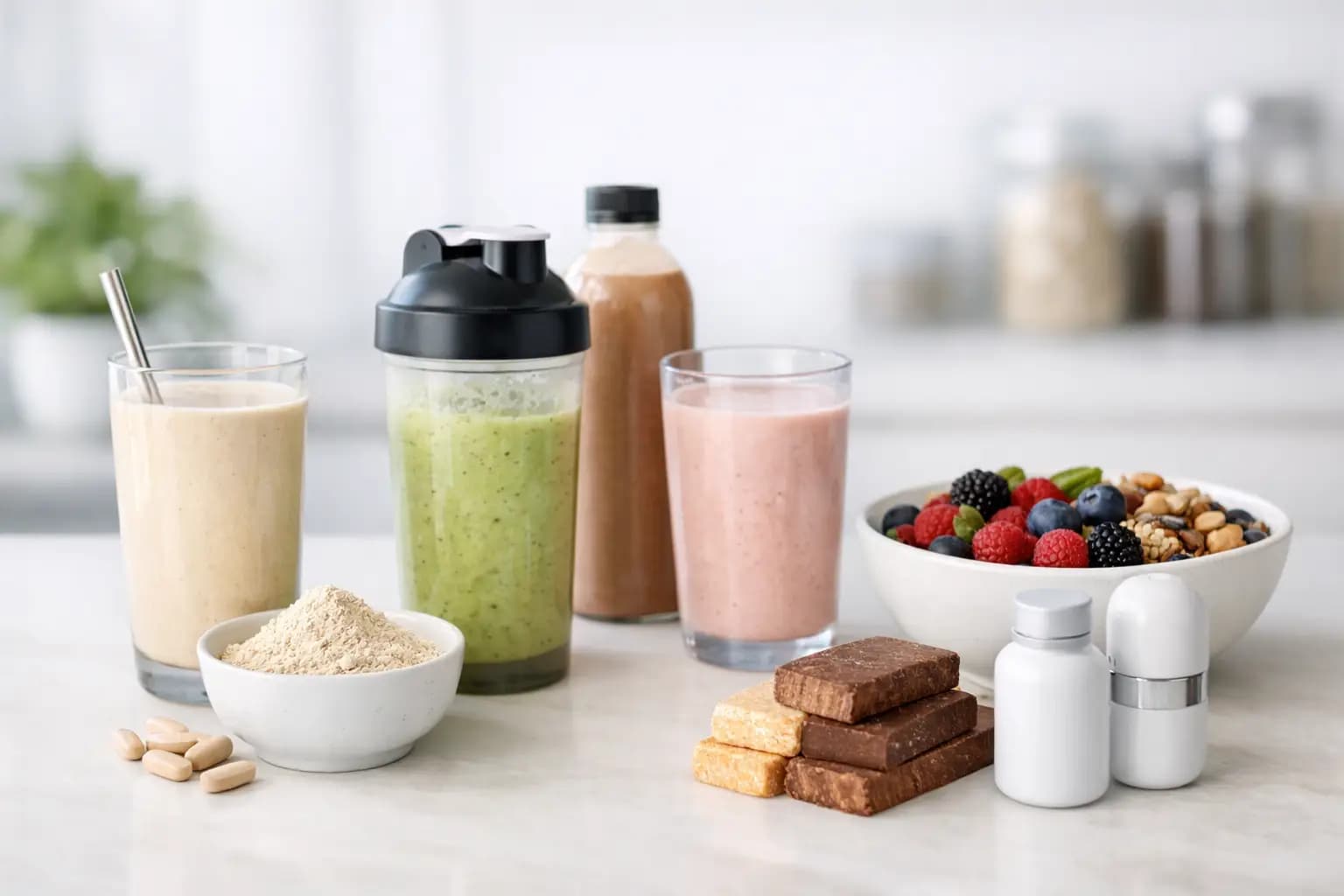
Some customers need a simple low-calorie breakfast. Others are looking for a more complete weight-management system with snacks, fibre support and hydration built around it. Some are brand-new and need help choosing. Others already know exactly what works for them and just want fast delivery and a dependable place to reorder.

The brands and retailers that stand out will be the ones that make this easier. Personal guidance, goal-based recommendations and practical support can make a huge difference, especially for beginners. Buying a product is one step. Knowing how to use it properly within your day is what often turns interest into progress.

That is one reason a guided retail approach is likely to keep growing. Customers increasingly want both value and reassurance. They want competitive pricing, but they also want confidence that they are choosing a product that fits their target.

Weight management is becoming more routine-led

A lot of meal replacement marketing used to focus on dramatic change. The 2026 direction is steadier and, frankly, more useful. People are looking for routines they can stick to.

That changes how meal replacements are used. Instead of acting as a short-term fix, they are becoming part of a repeatable structure: a controlled breakfast, a planned lunch, a protein-forward snack, better hydration and fewer impulse choices. This routine-based approach feels more achievable for many adults juggling work, family life and uneven schedules.

There is a trade-off here. Meal replacements are convenient, but they are not a licence to ignore the rest of the diet. The strongest results still come when they sit alongside balanced meals, sensible calorie intake and consistent habits. For customers who understand that, meal replacements can be genuinely practical rather than gimmicky.

Budget matters, but value matters more

UK shoppers are price-aware, and that will not change in 2026. But there is a difference between cheap and good value.

Customers are increasingly willing to spend on a product that saves time, supports their goals and reduces wasted food or grab-and-go spending. If a meal replacement helps replace expensive impulse lunches and supports better consistency, the maths can look far more attractive.

At the same time, offers still matter. Discounts, multibuy savings, free shipping thresholds and quick delivery can all influence where people buy from. In a crowded category, the best retail experience will combine credible products with clear savings and responsive customer support. That is especially important for repeat buyers who want a hassle-free reorder process.

Wellness is expanding beyond calories alone

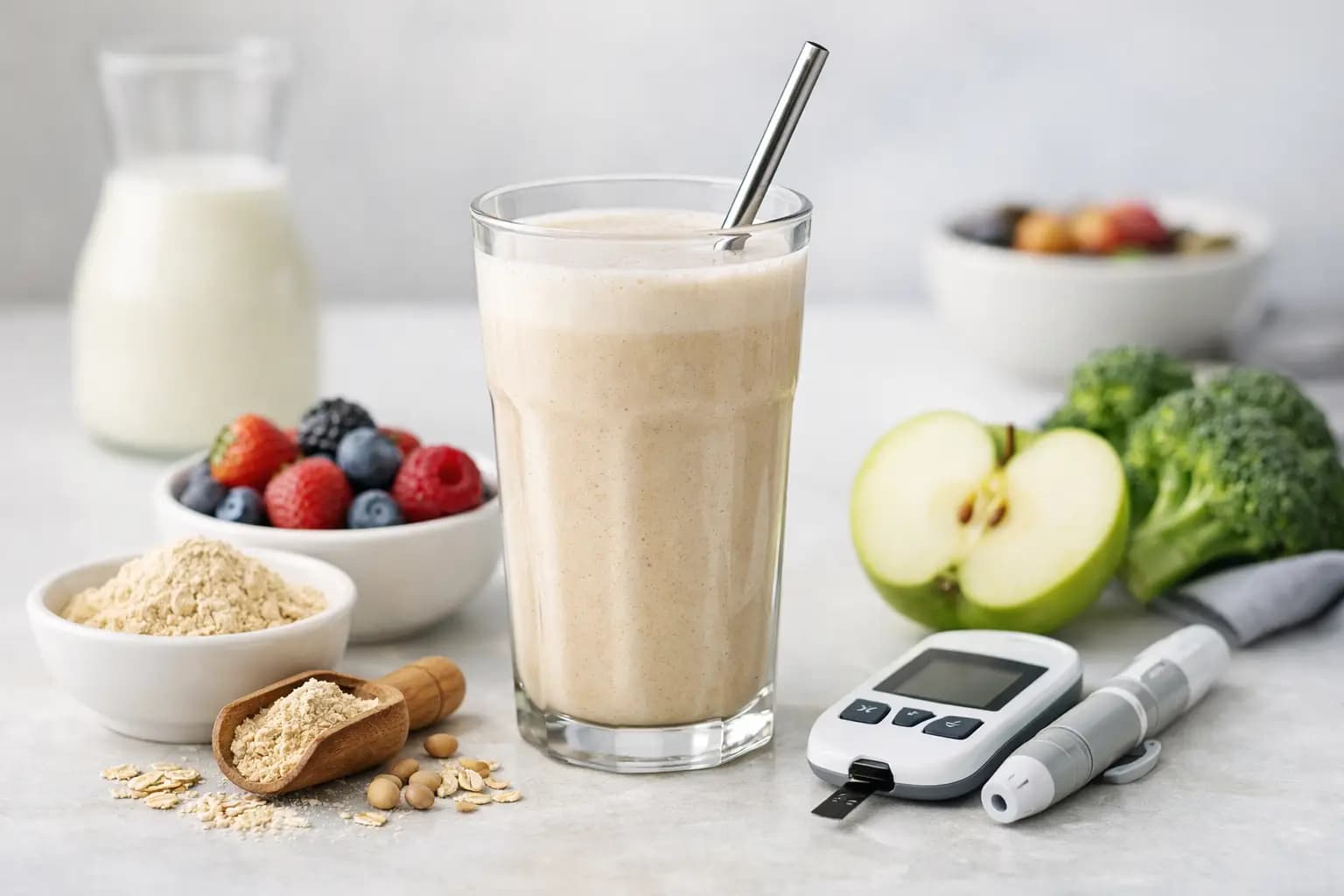
Meal replacement trends 2026 are not only about losing weight. More customers are thinking in broader wellness terms: energy, satiety, daily nutrition, digestive comfort and staying on plan without overcomplicating life.

This shift is subtle but important. It means customers are less likely to judge a product on calories alone. They are asking whether it helps them feel good, whether it fits their schedule and whether it supports a healthier pattern overall.

For some, that could mean pairing a meal replacement with extra fibre or hydration support. For others, it could mean choosing a shake as a reliable breakfast and keeping whole-food meals for later in the day. It depends on the person, their goal and how structured they want their routine to be.

What shoppers should look for next

If you are watching this category closely, the strongest products in 2026 are likely to have a few things in common. They will be simple to use, nutritionally balanced, satisfying enough to support adherence and backed by clear guidance rather than vague promises.

They will also fit everyday life. That sounds obvious, but it is often the deciding factor. A product can look brilliant on paper and still fail if it is awkward to prepare, hard to enjoy or disconnected from how people really eat.

For UK customers, trust will stay important too. Buying from a retailer that offers authentic products, practical advice and fast delivery removes a lot of uncertainty. For people who want support as well as convenience, that extra layer matters. It is one reason businesses such as HL Shop UK continue to appeal to customers who want official access, strong value and help staying focused on their goals.

The next year is not about chasing fads. It is about choosing products and routines that make healthy eating easier to repeat when life gets busy. If a meal replacement can do that, it is not just following a trend - it is earning a place in your routine.

Shop genuine Herbalife products

Browse Best Sellers

Keep reading

Free UK Shipping over £69

30 Days Money Back Guarantee

Secure Payments

Comprehensive Free Assistance