Nobody has ever asked me this question calmly. It arrives after a podcast, a gym conversation or a label someone has been squinting at in the supermarket, and it always carries the same suspicion underneath: am I getting this badly wrong? Usually not. But the honest answer is that “how much” is the second question, and starting there is exactly why most people end up buying something before they have worked out what they actually need. So let me take the questions in the order they are useful.
Why I never give a single number
Because there isn’t one, and anybody handing you a tidy figure across a shop counter is guessing about your body, your training and your week. Protein needs shift with body size, age, how active you are and what you are trying to do — someone lifting four times a week and someone walking the dog twice a day are not the same case. If you want a proper figure for you, that is a conversation with a GP or a registered dietitian, not with me, and I would rather say that plainly than dress up a number. What I can help with is the part I see every day, which is where in the day the protein is missing. That turns out to be far more useful than a target, because it is the bit you can actually change on a Tuesday.
The pattern I see most often
Almost nobody has a total problem. They have a distribution problem. Breakfast is toast or nothing, lunch is whatever was quickest, and then dinner arrives carrying the whole day on its back — a big plate of something with chicken or fish on it, eaten at eight. On paper the day might add up perfectly well. In practice you have spent ten hours feeling like you are running on fumes and reaching for the biscuit tin at four o’clock, which is the actual complaint people came in with. Spreading it out is the single change that makes the biggest difference to how a day feels, and it costs nothing to try. If breakfast is the meal that keeps collapsing, I have written more on quick high-protein breakfast ideas — that is where most people find the easiest win.
Where I would look before buying anything
- Breakfast first. — If your morning is carbohydrate on carbohydrate, this is the gap. Eggs, Greek yoghurt or a shake all solve it; the shake solves it fastest on a bad morning.
- The meal you eat at your desk. — Lunch is where good intentions quietly disappear. A Formula 1 sachet in a drawer covers the day the meeting overruns, without a trip to the meal deal fridge.
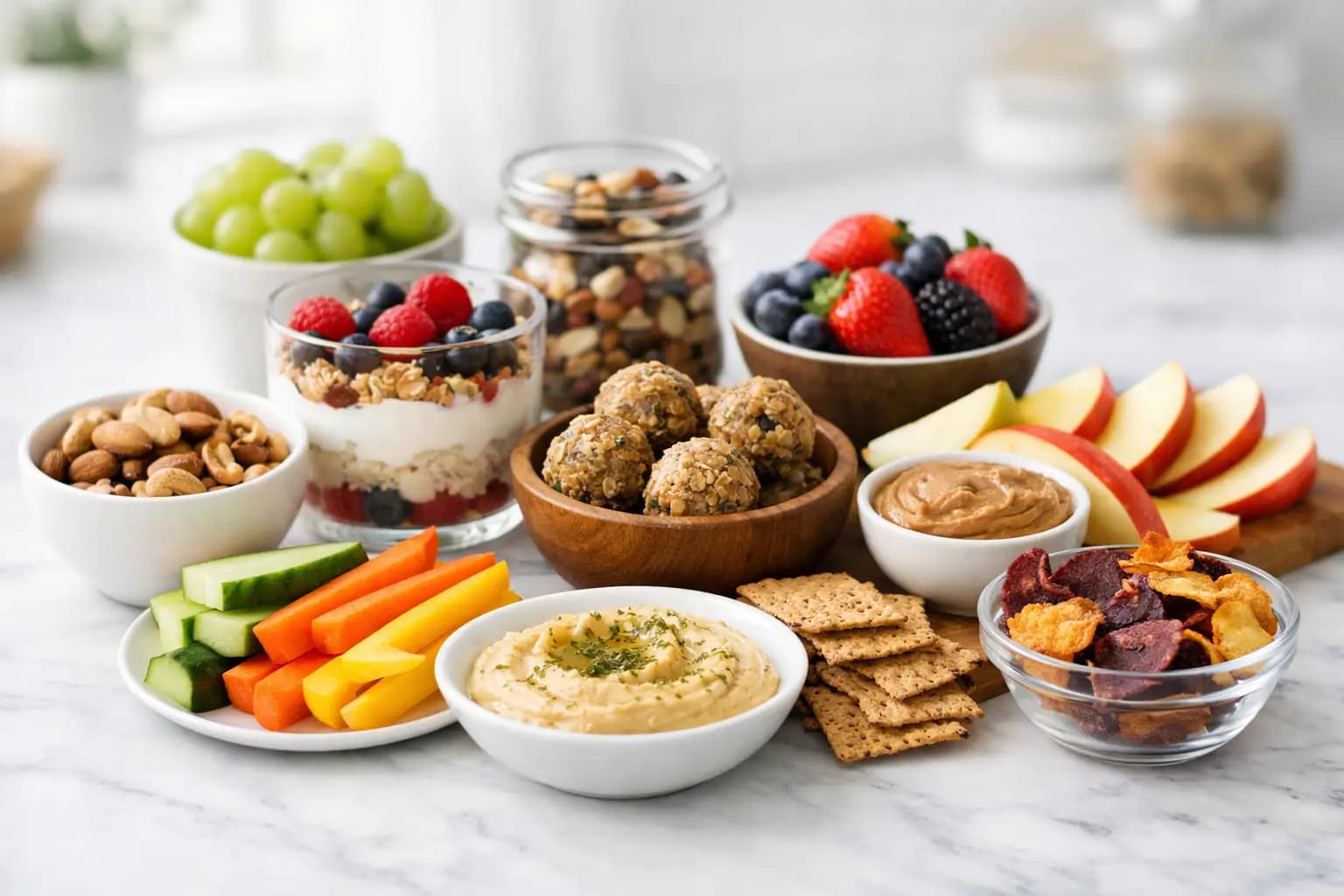
- The four o’clock gap. — Not a meal, not nothing. Something small with protein in it beats something sweet that leaves you hungrier twenty minutes later.
- After training, if you train. — This is the one people obsess over and it matters least if the other three are a mess. Fix the day first, then worry about the window.
- Everything else. — Leave it alone. If dinner is already fine, do not turn it into a project.
Powder, sachet or bar?
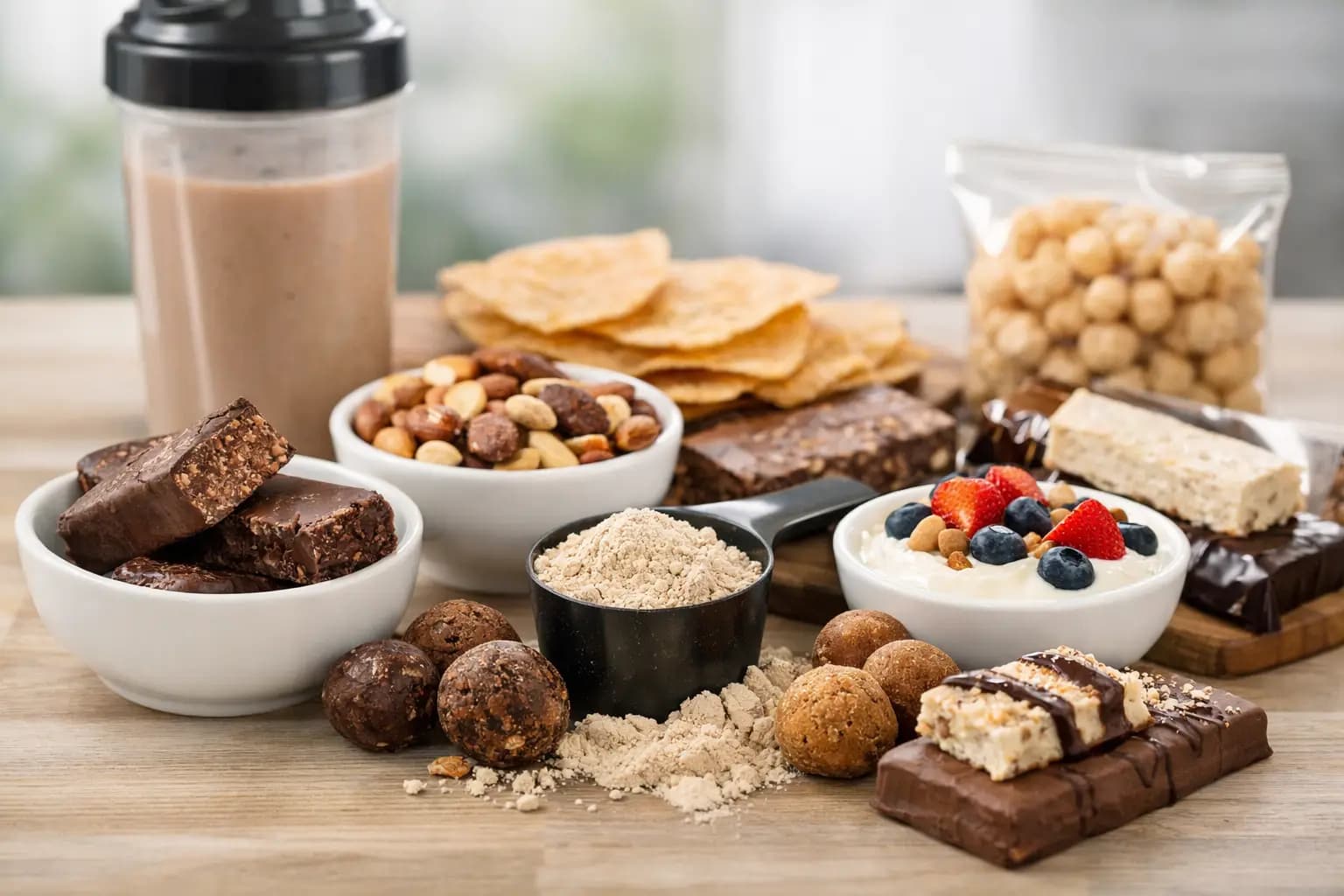
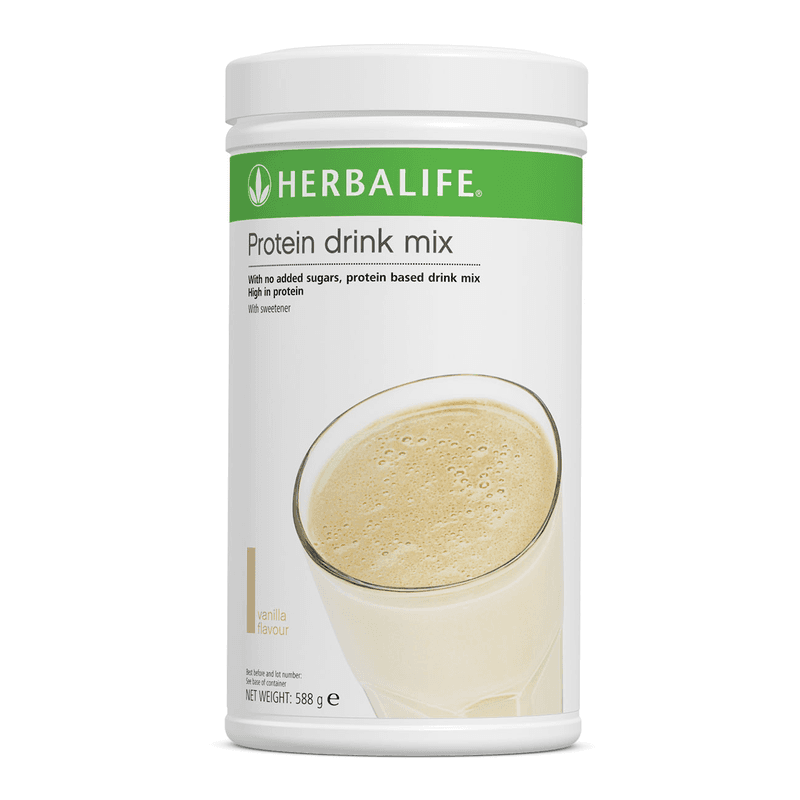
Once someone has spotted their gap, this is the next question, and the answer follows the gap rather than the other way round. If the gap is a whole meal, a shake is doing a meal’s job and wants to be built like one. If the gap is smaller — you have eaten, but the meal was light on protein — then a scoop of Protein Drink Mix stirred into a shake or into milk tops it up without adding another full meal to the day. And if the gap is a moment rather than a meal, which is what four o’clock usually is, that is what the protein snacks shelf is for. Buying the wrong format is the most common mistake I see: a tub bought for a problem that only ever happens at the office, then left at home for six months.
Three things that quietly go wrong
The first is treating more as automatically better. Protein is one part of a balanced diet, not a scoreboard, and stacking shake on top of an already decent day mostly just adds cost. The second is forgetting that food counts — people come in convinced they need a supplement when what they need is to put something in the sandwich. The third is the drink you make it with: water, milk or a dairy alternative all change the finished shake, and the person who says the shake “does nothing for them” is quite often the person making it with water when a meal was needed. None of this is complicated. It just gets skipped because the interesting question feels like the number.
Food supplements are not a substitute for a varied, balanced diet and a healthy lifestyle.
If you want to look at what fits your day rather than chasing a figure, start with the protein snacks and shakes on the shelf, or send me a message and tell me where your day falls apart — that is usually all I need to point you at the right one.